Category: Blog

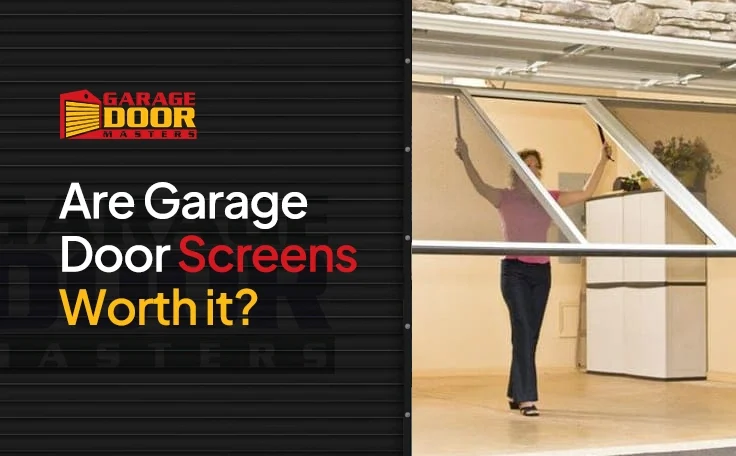
Are Garage Door Screens Worth It?

Ever wished you could enjoy fresh air in your garage without bugs flying in? A garage door screen makes that dream possible. These handy additions let you open up your space while keeping pests out. Whether you use your garage for working out, hobbies, or just hanging out, a garage door screen changes everything. They come in different styles to fit any need and budget. Let’s break down what these screens are all about and help you decide if one is right for your home. What Is a Garage Door Screen? A garage screen door is basically a mesh barrier that covers your door opening. It attaches to the frame and creates a bug-free zone inside. You can still see outside and feel the breeze. But mosquitoes and flies stay out where they belong. Most garage door screens work with your existing overhead door. You raise your main door, and the screen system stays in place. It’s a simple concept that makes a big difference. These screens come ready for easy installation in most cases. Some mount with tracks along the sides for a secure fit. Others use magnetic closures or hook-and-loop fasteners instead. The goal is always the same with a garage door lifestyle screen. You get airflow without the annoyance of insects buzzing around your head all day. Types of Screens for Your Garage Not all garage door screens are created equal. Different types suit different needs and budgets around your home. Your choice depends on how often you’ll use it and what features matter most. Some people want a permanent garage door screen setup that lasts for years. Others prefer something they can take down easily when the seasons change. Let’s look at the most popular options available today. Retractable and Roll-Up Options Retractable garage door screens are super convenient for homeowners who want flexibility. They roll up into a housing unit when not in use. This keeps them completely protected and out of sight. When you need the screen, just pull it down in seconds. Many models even motorize for push-button operation. These work great if you frequently drive in and out of your space. The fully retractable design means nothing blocks your path. Magnetic Screen Door Systems A magnetic garage door screen offers quick access without any fuss. The center opens with magnetic closure strips that work smoothly. Walk right through, and the magnets snap it shut behind you. This style is perfect for high-traffic areas in busy homes. Kids and pets can move freely without getting stuck at all. Installation takes minutes since most use a hook-and-loop attachment. They’re also budget-friendly compared to track systems. Fiberglass Mesh Screens Fiberglass screen mesh is the most common material you’ll find in a garage door screen. It’s durable, affordable, and does the job well for years. Heavy-duty fiberglass options resist tears and handle daily wear. The mesh blocks insects while still letting plenty of air through freely. Some versions offer extra UV protection for sunny climates, too. A fiberglass mesh won’t rust or corrode as metal alternatives might. It’s a solid choice for most homeowners looking at garage door screen options. Key Benefits of a Garage Door Screen Adding a garage door screen to your setup brings more perks than you might expect. First, you get serious bug protection around the clock. No more swatting at flies while working on projects in there. Second, airflow improves dramatically throughout your space. Your area stays cooler on hot days without running fans constantly. Third, it adds a layer of privacy from nosy neighbors, too. Here are more reasons people love their screens: Keeps leaves and debris from blowing in Creates a kid-friendly play area safely Reduces dust buildup on stored items Makes the space usable in more seasons Adds curb appeal to your home Transform Your Garage Into a Living Space A garage door screen can completely change how you use your garage every day. Suddenly, it becomes an extra living space for your whole family to enjoy. Set up a workout area with fresh air flowing through constantly. Create a workshop where you can breathe easy while building projects. Host gatherings without everyone cramped inside your main house. The possibilities really open up once bugs aren’t an issue anymore. Many homeowners discover that their garage becomes their favorite hangout spot quickly. It’s like adding a screened porch without the construction costs or hassle. You can install a privacy curtain for even more versatility when needed. Watch the game, do crafts, or let the kids play safely outside. Your garage transforms from a storage dump to a functional room overnight. Are Garage Door Screens Worth It? So here’s the big question everyone asks eventually. Is a garage door screen worth the investment for you? For most people, absolutely yes without hesitation. The cost ranges from around fifty dollars for basic magnetic options. Track-mounted systems run a few hundred dollars, depending on size. Compare that to building an actual screened room, and it’s a no-brainer. The value also depends on your climate and how you use your space. Hot, buggy areas benefit most from this simple upgrade. If you already spend time in your garage regularly, adding a screen makes sense. Even a simple screen for a two-car garage setup pays off quickly in comfort. Think about what you’ll gain versus what you’ll spend overall. Finding the Right Screen for Your Needs Choosing the best option comes down to a few crucial factors. Measure your door opening first to ensure a proper fit every time. Consider how often you’ll walk through versus drive through daily. Think about whether you want motorized convenience or manual operation instead. Budget matters too, but don’t sacrifice quality for the cheapest option available. Take time to read reviews and compare fabric options before buying anything. A lifestyle garage screen might be perfect for one person but overkill for another. Match the product to your actual usage patterns at home. With the right choice, you’ll..
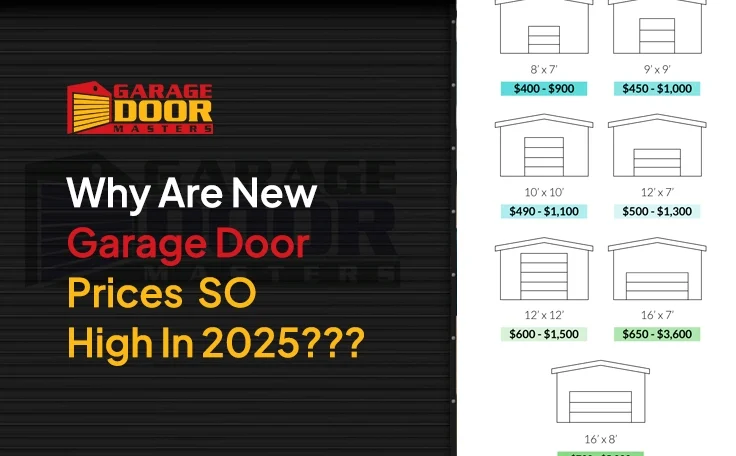
Why Are New Garage Door Prices SO High In 2025???

You’re probably looking at new garage door prices and wondering what happened. We get it. The numbers feel wild compared to just a few years back. Here’s the thing, though. There are real reasons why these new garage door prices have jumped so dramatically. We’re talking about tariffs, material shortages, labor issues, and market factors you might not know about. Let’s break down exactly what’s going on so you understand where your money goes when you invest in a door today. What Are New Garage Door Prices Looking Like Right Now? The average single-car new garage door is priced between $735 and $2,743, with most people paying around $1,400 to $1,700. Double-car doors can be priced significantly more, ranging from $1,013 to $3,674. That’s just for standard models, nothing fancy. Custom or high-end installations easily reach $6,000 or more. The material you pick makes a huge difference too. Steel doors typically are priced at $800 to $2,500, while wood runs $1,500 to $5,000. Installation adds another $200 to $700 on top. When you add everything together, most homeowners spend between $2,000 and $3,500 for a complete job. These numbers represent a major increase from previous years. So why did this happen? The Real Reasons Behind Rising New Garage Door Prices Multiple factors hit the industry all at once when it comes to new garage door prices. Some started during the pandemic and never fully recovered. Others appeared more recently and made everything worse. Let’s look at what’s actually driving these increases. Material Prices Have Skyrocketed New garage door Steel and lumber prices jumped 40% and 35% respectively over recent years. Steel and aluminum account for 40-60% of manufacturing expenses, so when raw materials spike, manufacturers have no choice but to pass those prices along. Polyurethane, insulation, and hardware also became harder to source, creating additional pressure on final pricing. Transportation prices went up too. Diesel fuel remained stubbornly expensive even as gas prices dropped, keeping shipping fees elevated. Every component travels multiple times before reaching your home. Those fuel prices add up fast and affect the final number you see on your estimate. Labor Shortages Are Pushing Prices Higher The average new garage door technician in Illinois now earns $66,405 annually, ranging from $49,614 to $73,435. Professional installers charge $24.83 per hour on average, ranging from $17.42 to $33.53. When demand exceeds available workers, wages naturally rise to attract qualified people. These increased labor expenses show up in every installation quote. Finding skilled technicians remains challenging industry-wide. The pandemic created workforce gaps that companies still struggle to fill. Training new people takes time and money. Meanwhile, existing crews work overtime trying to keep up with demand. How Tariffs Are Affecting New Garage Door Prices The March 2025 tariffs imposed 25% on imports from Canada and Mexico and 10% on Chinese goods, including steel and aluminum. Within two weeks, consumer prices rose 6-20% as manufacturers like LiftMaster increased rates 25% and Clopay hiked prices 6-10%. These weren’t small adjustments to new garage door prices. By April 2025, all major manufacturers implemented another 6% increase within a two-week window. The timing was remarkably synchronized across the industry. These tariff impacts hit hard because steel forms the backbone of most residential doors. When import duties jump this high, there’s simply no way to absorb the price entirely. Supply Chain Problems Still Causing Headaches One builder reported waiting 20 weeks for a door – as long as building an entire house used to take. Pandemic-related factory shutdowns, labor shortages, transportation issues, and shipping delays continue complicating matters. Parts remain difficult to obtain consistently. Limited availability forces buyers to wait longer or pay premium new garage door prices for faster service. Some manufacturers prioritize larger orders, leaving individual homeowners waiting weeks or months. This scarcity naturally drives up what people will pay to skip the line. The supply situation improved somewhat from pandemic peaks but hasn’t returned to normal yet. Regional Differences in Pricing Where you live seriously impacts what you pay. Montgomery, Alabama, typically sees lower new garage door prices than New York or California. Local building codes affect available options, too. Areas with higher living prices or greater demand show increased labor and material expenses. Weather factors into the equation as well. Hurricane zones require reinforced doors meeting specific wind ratings. These specialty requirements add hundreds to the base new garage door price. Urban markets with lots of competition might offer better deals than rural areas with fewer installers. Here are the main regional factors: Local labor rates and availability Building code requirements Climate and weather conditions Market competition levels Distance from distribution centers What You Can Actually Expect to Pay Let’s get specific about real numbers. A basic single-car steel door without insulation a new garage door is priced at $735 to $1,200. Add insulation, and you’re looking at $400 to $2,500. Smart openers with app control run $200 to $1,300 beyond basic models. Removing your old door adds $50 to $200. Hardware upgrades cost another $100 to $500. Windows increase the total by $600 to $2,500 depending on how many you want. Most people end up spending more than initial estimates suggest once they see all the options. Smart Ways to Handle Today’s Market Don’t panic about these numbers. You can still make smart decisions even with elevated new garage door prices. First, get at least three quotes from different companies. Comparing helps you spot fair pricing versus inflated estimates. Consider prioritizing function over fancy features if budget matters. Basic doors work perfectly fine and last just as long as premium models. Steel and aluminum remain the least expensive materials while still offering good durability. Skip custom colors, decorative hardware, and extra windows unless they really matter to you. Timing matters too. Off-season installations sometimes come with discounts when installers have more availability. Ask about financing options if needed. Many companies offer payment plans that spread costs over time. Just make sure you work with licensed, insured professionals regardless of..

How To Choose The Right Roller Shutter Door For Your Business

Picking the right roller shutter door can feel overwhelming, right? We’ve been there. After helping dozens of businesses upgrade their commercial spaces, we know exactly what works. These versatile barriers protect your inventory while keeping energy costs down. Whether you run a warehouse, retail shop, or manufacturing facility, the right roller shutter door makes all the difference. Let’s walk through everything you need to know about selecting these essential business investments. Understanding Roller Shutter Door Materials – From Vinyl to PVC Options Material choice affects everything from durability to maintenance costs. Steel remains the most popular option for heavy-duty applications. It handles daily wear and tear like a champ. Aluminum offers a lighter alternative that still provides solid protection. We often recommend it for smaller openings where a roller shutter door needs flexibility. Vinyl and PVC options have gained popularity recently. They resist rust and need minimal upkeep. Plus, they’re quieter during operation. Many businesses love the cost savings these materials provide. The key is matching your roller shutter door material to your specific needs. A busy loading dock needs different specs than a retail storefront. Consider your climate too – coastal areas benefit from corrosion-resistant materials. Security Features That Keep Unauthorized Access at Bay Security matters more than ever these days. Modern designs include advanced locking mechanisms that deter break-ins effectively. Many models feature reinforced slats that resist cutting and prying attempts. Smart integration has changed the game completely for roller shutter door technology. Remote monitoring lets you check your property from anywhere. Motion sensors trigger alerts when someone approaches after hours. Some systems even connect to your existing security network. We’ve seen businesses reduce theft dramatically with these upgrades. The peace of mind alone justifies the investment. Remember, insurance companies often offer discounts for enhanced security features on your roller shutter door. Durable Construction and Insulation Benefits for Your Warehouse Quality construction saves money long-term. Heavy-gauge materials withstand constant use without warping or breaking. Wind resistance ratings matter, especially in storm-prone regions. The best roller shutter door models handle serious weather conditions. Insulation makes a huge difference in energy costs. Here’s what proper insulation provides: Temperature control year-round Reduced heating and cooling expenses Noise reduction from outside traffic Protection against moisture damage Better working conditions for employees Double-skinned designs with foam cores offer the best thermal performance. Your HVAC system works less, extending its lifespan. Workers stay comfortable, boosting productivity. It’s amazing how much difference proper insulation makes in any roller shutter door installation. Installation Requirements and Fire Codes Compliance Professional installation ensures everything works correctly from day one. Proper mounting requires structural assessment first. The opening needs adequate support for the weight and operation mechanism. Electrical connections must meet local codes. Fire regulations vary by location and building type. Most commercial spaces require specific fire ratings. Emergency release mechanisms allow quick evacuation when needed. Manual override systems provide backup during power outages. Your installer should handle permit applications and inspections for your roller shutter door. They know which features your local authorities require. Skipping proper installation creates liability issues down the road. Making the Final Decision on Your Commercial Door Investment Take time evaluating your options before committing. Consider your daily operations and future growth plans. A quality roller shutter door lasts 15-20 years with proper care. Budget for both initial costs and ongoing maintenance. Get multiple quotes from reputable suppliers. Ask about warranties and service agreements. Check references from similar businesses in your area. The cheapest option rarely provides the best value. Factor in energy savings and reduced security risks. Calculate the total cost of ownership, not just purchase price. Your business deserves protection that performs reliably every single day. https://youtube.com/shorts/CWr9PdQyllI?feature=share Our Experts Are Here To Help Get a Free Quote Frequently Asked Questions How much do rolling shutters typically cost for a standard garage installation? Rolling shutters for garage spaces range from $800 to $3,500 depending on size and materials. Basic curtain models start lower, while premium security shutter options with automated overhead systems cost more. Installation adds 20-30% to total expenses. Most businesses recover costs through energy savings and reduced insurance premiums within three years. What maintenance does a security shutter require to stay functional? Security shutter maintenance is surprisingly simple. Lubricate tracks quarterly, clean curtain slats monthly, and inspect springs twice yearly. Professional servicing once annually keeps overhead mechanisms running smoothly. Most issues stem from neglect rather than wear. Regular care extends lifespan beyond 20 years. Budget around $200-400 yearly for professional maintenance services. Can we customize the aesthetic appearance to match our building design? Absolutely! Modern overhead systems offer countless aesthetic options. Choose from 200+ powder-coated colors, wood-grain finishes, or perforated curtain designs for visibility. Many suppliers create custom graphics or branding elements. Rolling shutters no longer look industrial – they enhance your building’s appearance. Discuss design preferences during consultation for perfect integration. Rolling shutters for garage spaces range from $800 to $3,500 depending on size and materials. Basic curtain models start lower, while premium security shutter options with automated overhead systems cost more. Installation adds 20-30% to total expenses. Most businesses recover costs through energy savings and reduced insurance premiums within three years. Security shutter maintenance is surprisingly simple. Lubricate tracks quarterly, clean curtain slats monthly, and inspect springs twice yearly. Professional servicing once annually keeps overhead mechanisms running smoothly. Most issues stem from neglect rather than wear. Regular care extends lifespan beyond 20 years. Budget around $200-400 yearly for professional maintenance services. Absolutely! Modern overhead systems offer countless aesthetic options. Choose from 200+ powder-coated colors, wood-grain finishes, or perforated curtain designs for visibility. Many suppliers create custom graphics or branding elements. Rolling shutters no longer look industrial – they enhance your building’s appearance. Discuss design preferences during consultation for perfect integration.

What Does A New Garage Door Cost In 2025?

Consider upgrading your garage door this year. You’re not alone. A fresh, modern option can instantly boost your home’s curb appeal, improve energy efficiency, and even increase resale value. But before you start shopping, it’s smart to know what kind of price tag to expect. The new garage door cost in 2025 depends on several factors like material, style, and size, but don’t worry, we’ve broken it all down for you. Let’s dive into what you can expect to pay this year, what’s driving those costs, and how to get the best bang for your buck. Understanding the Average New Garage Door Cost in 2025 In 2025, homeowners can expect the average new garage door cost to range between $1,200 and $3,000 for most standard options. Basic steel models with manual operation fall on the lower end, while insulated, smart, or custom wood doors can reach $5,000 or more. The price you pay depends heavily on the material you choose and the size of your garage. Steel doors remain a top pick thanks to their durability and low maintenance. Aluminum is lightweight and modern-looking but less insulated. Wood offers that timeless, classic appeal, though it requires more upkeep. Meanwhile, composite doors are becoming popular for combining beauty and resilience without the high maintenance costs of real wood. The growing trend toward energy-efficient and insulated designs has nudged prices up slightly, but they can also save money long-term on heating and cooling. Has the Average Garage Door Replacement Cost Gone Up? The average new garage door cost has gone up, but not dramatically. Compared to 2023 and 2024, the garage door replacement cost in 2025 has seen a moderate increase of around 5% to 8%. The rise comes from higher material costs, increased demand for smart technology integration, and inflation-driven labor expenses. However, the good news is that these price hikes often come with better features and higher-quality products. Newer garage doors often include improved insulation, noise reduction, and advanced security systems. Many models are also compatible with smart home setups, letting you open or monitor your garage from your phone. So, while the upfront new garage door cost is higher, homeowners are getting more functionality and convenience in return. Key Cost Factors That Influence Garage Doors Several key factors determine the final new garage door cost, including materials, size, insulation, and design features. Materials like steel and aluminum are typically the most affordable, while natural wood or carriage-style doors can cost more due to their craftsmanship and custom designs. If you want energy savings, consider insulated models: they cost more upfront but pay off in long-term comfort and efficiency. Another major factor influencing new garage door costs is the complexity of the installation. Homes with unique openings or older structures may need extra framing or electrical work, which can add to the overall cost. Optional upgrades like decorative windows, premium hardware, or smart openers also affect pricing. Ultimately, the correct choice balances appearance, performance, and your budget. How to Save Money on Garage Doors You don’t have to break the bank to get a great new garage door. Here are a few smart ways to save: Shop during seasonal sales: Spring and fall are prime times for home improvement discounts. Compare multiple quotes: Always get at least three estimates from reputable installers. Stick to standard sizes: Custom dimensions can dramatically raise costs. Choose mid-grade materials: They often offer the best mix of value and longevity. Another underrated tip to keep new garage door costs low: maintain your door regularly. Lubricating moving parts, checking springs, and cleaning the tracks can extend its lifespan and prevent costly repairs down the road. Cost to Replace a Garage Door: Single vs. Double Garage Options A significant factor in your garage door replacement cost is whether you have a single or double setup. A single typically ranges from $800 to $1,800, depending on material and design. In contrast, double, which covers two car bays, can range from $1,500 to $3,500 or more. Double doors require more material, larger openers, and sometimes extra labor. However, you can often save by installing two single doors instead of one large double door, especially if one side needs repair later. The choice largely depends on your home’s layout and the look you’re going for. Hidden or Additional Costs to Consider When budgeting for your new garage door cost, it’s essential to think about extra expenses that often go unnoticed. For example, removing and disposing of your old door can add $100 to $250. Electrical work for new openers or safety sensors might add another $200 to $500, depending on the complexity. Don’t forget about potential permit fees when looking at new garage door costs, particularly if you’re making structural changes to your system. And if you opt for custom paint or finish, that’s another $100–$300. Planning ahead for these smaller costs prevents unpleasant surprises during installation. Choosing the Best Garage Door for Your Home Selecting the perfect option goes beyond cost: it’s about blending style, durability, and performance. Think about your home’s architecture: carriage-style doors look great on traditional houses, while sleek, aluminum-framed models suit modern designs. Insulated steel doors are ideal for attached garages since they help maintain indoor temperatures. Also, consider your climate. If you live in a humid or coastal area, opt for rust-resistant materials like aluminum or composite. And don’t underestimate color: today’s garage doors come in a wide variety of finishes, from bold matte blacks to natural wood tones. The right choice can make your home feel more inviting and complete. Conclusion: Replacing Your Garage Door in 2025 https://youtube.com/shorts/jiloO2SkEFk?si=DntclLjMro-CLK9Q Replacing your garage door is one of the smartest home investments you can make in 2025. While the new garage door cost may vary based on materials, size, and features, the long-term value it adds to your home is undeniable. With a modern design, better insulation, and convenient smart controls, today’s doors are both functional and stylish. So, whether you’re going for a budget-friendly..

Garage Door Solutions | Repair, Installations, Replacements & More!

Is your home making weird noises? Maybe it’s stuck halfway up or not moving at all? We know how frustrating problems can be. At Fair Garage Repair, we offer complete garage door solutions for homes and businesses. Our team has fixed thousands of doors over the years, and we’re ready to help with whatever issue you’re facing today. What Are Garage Door Solutions? Basics Explained When we talk about garage door solutions, we mean everything from fixing a broken spring to installing a brand-new door. Most folks don’t think about their system until something goes wrong. Then suddenly, you can’t get your car out or your stuff isn’t secure. Our garage door solutions cover all the parts that make your door work right. Some common problems we fix include broken springs, worn-out rollers, and opener issues. We also help when doors get off track or when the weather stripping needs to be replaced. No matter what’s wrong with your door, we have the tools and know-how to get it working again. Why You Need Professional Garage Door Solutions You might be thinking, “Can’t I just watch a YouTube video and fix this myself?” While we admire your can-do spirit, garage doors can be tricky and dangerous if you don’t know what you’re doing. Professionals save you time, money, and a whole lot of stress. Our experts can spot problems you might miss and fix them before they turn into bigger issues. Plus, we have the right tools and parts to do the job correctly the first time. How DIY Can Be Dangerous For You & Your Home Garage doors are heavy, some weighing over 200 pounds. They also have parts under high tension, like springs that can cause serious injuries if they snap. Here are some risks of DIY repair: Springs can break and cause injury to your face or hands Heavy doors can fall and crush fingers or toes Improper repairs can lead to more damage and costly fixes You might void your door’s warranty with DIY attempts Without proper tools, you could spend hours on what takes us minutes We’ve seen too many folks hurt themselves trying to save a few bucks. Trust us, professional garage door solutions are worth it for your safety alone. Quality Garage Door Installation by Experts Looking for a new door? Our garage door solutions include full installation services. We help you pick the right style and material for your home and budget. Then our team handles everything from removing the old door to setting up and testing the new one. We work fast but never rush. Most installations take just one day, meaning less disruption to your life. And we always clean up after ourselves, so you won’t have to deal with a mess. High Quality Garage Doors and Openers We only use top-notch products for our garage door solutions. Our doors come in steel, wood, aluminum, and composite materials. They’re built to last and look great for years. We also install reliable opener systems that work smoothly and quietly. All our products come with solid warranties, giving you peace of mind. And if you ever have questions or issues, just call us. That’s what makes our garage door solutions so complete, we’re here for you even after the job is done. https://youtube.com/shorts/fNw7GMoS53A?feature=share Your Local Garage Door Company Serving Surrounding Areas Fair Garage Repair proudly serves our local community and nearby towns. We know the common door problems in our area and how to fix them fast. Being local means we can get to you quickly when you need help. Our garage door solutions are available Monday through Saturday, with emergency services too. We show up when we say we will and treat your home with respect. That’s why so many of our customers come from referrals. Why Homeowners Trust Our Garage Door Solutions People choose us because we’re honest and good at what we do. We never push for unnecessary repairs or try to sell you things you don’t need. Our pricing is fair and transparent, with no hidden fees or surprises. Our team explains everything in plain language, not confusing jargon. We want you to understand what we’re doing and why. This open approach is a big part of our garage door solutions philosophy. We believe in building relationships, not just fixing doors. Contact Our Garage Door Experts Today Ready for reliable garage door solutions? Give us a call or fill out our online form. We’ll set up a time that works for you and provide a free estimate. Most repairs can be done same-day, so you won’t be without a working door for long. Remember, at Fair Garage Repair, we’re not just fixing doors, we’re solving problems and making your life easier. That’s what real garage door solutions are all about! Our Experts Are Here To Help Get a Free Quote 6 Common Questions About Our Garage Door Solutions How much does a typical garage door repair service cost? Most repairs cost between $150-$350 depending on what needs fixing. Springs and cables are on the lower end, while opener repairs fall in the middle. We always provide free estimates before starting any work. Our technicians explain exactly what your needs and why, so you’re never surprised by the final bill. We pride ourselves on fair pricing for residential repairs. Do you install LiftMaster garage door openers? Absolutely! We’re certified LiftMaster dealers and install their full line of high-quality openers. From basic chain drives to ultra-quiet belt drives with smart home features, we have options for every budget. Our technicians are specially trained on all LiftMaster products. We can help you choose the perfect opener based on your garage door needs and demonstrate all the cool features. How long does a new garage door installation take? Most residential garage door installations take just one day. Our experienced technicians arrive early, remove your old door, and install the new one efficiently. For custom doors or commercial garage doors, it might..

The Most Urgent Garage Door Repairs | Get Things Done

You’re heading out for work, and your garage door won’t budge. Or it starts making awful grinding noises. Some problems can wait until next week, but others need attention right now. Knowing the difference between what makes an urgent garage door repair and what doesn’t could save you from a bigger headache and a bigger bill. Let’s discuss which issues need attention today and which ones can wait for a bit. Signs You Need Urgent Garage Door Repairs Your system talks to you through sounds and movements. A little squeak here and there might be normal, but loud banging or grinding means trouble. If your door stops halfway up or crashes down fast, don’t ignore it. These are red flags that something’s gone wrong. Watch for doors that shake or wobble when moving. This isn’t just annoying, it’s dangerous. If you spot frayed or loose cables, stop using the door immediately. These cables hold serious tension, and when they snap, bad things happen. One of the most common urgent garage door repairs involves these cables. Listen to what your system is telling you before minor issues become big problems. Broken Spring Repairs Can’t Wait Springs do all the heavy lifting when your door opens and closes. When one breaks, you’ll know it. Most people hear a loud bang that sounds like a firecracker. After that, your door becomes incredibly heavy or won’t move at all. Trying to force a door open with a broken spring is terrible. You could hurt yourself or damage other parts. These springs are under extreme tension; we’re talking hundreds of pounds of force. This is one of those urgent garage door repairs that needs a pro right away. Don’t try to be a hero with this one. Trust us on this. Why Garage Door Problems From Springs Are Dangerous Here’s the thing about springs: they’re wound super tight. When they let go, all that stored energy is released at once. That’s why you hear that loud pop. Working with them requires special tools and knowledge you probably don’t have. If you attempt to fix them yourself, you can risk serious injury. We’ve seen fingers crushed, faces hit, and worse. Plus, installing them incorrectly means they’ll break again soon. Getting urgent garage door repairs done by someone trained keeps everyone safe and gets you back in business quickly. Garage Door Opener Issues That Need Immediate Attention Your opener is the brain of the whole operation. When it starts acting weird, pay attention. If the motor runs but nothing moves, something’s disconnected or broken. Sparking, smoking, or burning smells from the unit mean you should unplug it immediately and call for help. Some opener problems are just annoying, like pressing the button three times. Others are scary, like when the door won’t reverse if something’s in the way. That safety feature keeps kids and pets from getting hurt. Test it monthly by putting something under the door. It should bounce right back up every single time. When Opener Repair Becomes an Emergency Not every opener glitch requires urgent garage door repairs. Dead batteries in your remote can wait. But certain situations demand immediate action. Here’s when you need to call right away: The door closes on objects without reversing. Smoke or burning smells come from the motor. The opener makes loud grinding or squealing noises. The door randomly opens or closes on its own. Wires are exposed or look damaged. That last one about a random opening is actually a security risk. You don’t want your door opening while you’re asleep or away. 24-Hour Emergency Garage Door Repair Services Near You https://youtube.com/shorts/fNw7GMoS53A?feature=shareMost companies offer after-hours help for real emergencies. Yes, it costs more than regular service, but sometimes you can’t wait. A door stuck open leaves your home vulnerable. A door stuck closed might trap your car inside when you need it most. Before calling, make sure it’s truly an emergency. If the door works manually and nobody’s in danger, morning might be fine. But if you’re dealing with security issues or safety hazards, make that call. Many companies can have someone there within an hour or two for urgent garage door repairs. Keep their number handy before trouble hits. Same-Day Garage Door Service vs. DIY Garage Door Fixes We get it, calling a pro costs money. But some fixes aren’t worth the risk of doing yourself. Springs, cables, and heavy panel replacements should always be handled by trained technicians. However, you may be able to handle simple stuff, like replacing weatherstripping or tightening loose bolts. When booking urgent garage door repairs, ask about the timing. Same-day service usually means they’ll arrive within a few hours. Fast service means they drop everything and come now. Know which one you actually need before paying that premium price. Being honest about urgency saves everyone time. Common Garage Door Panel and Installation Emergencies Damaged panels aren’t always urgent, but sometimes they are. A small dent from a basketball can wait. A panel that’s bent so badly the door won’t close or has sharp edges sticking out needs fixing, now. Safety comes first, always. New installation problems happen more often than you’d think. If your recently installed door isn’t working right, call the installer back immediately. Issues like improper balancing or incorrect spring tension only get worse with time. Don’t assume you need to live with it or fix it yourself. Getting Your Urgent Garage Door Repairs Done Right The key to handling urgent garage door repairs is knowing what’s truly urgent. Life-threatening situations, security risks, and major mechanical failures need immediate attention. Everything else can probably wait until regular business hours, when service costs less money. Keep a local company’s number handy before you need it. When trouble hits, you don’t want to be searching online frantically. Getting urgent garage door repairs scheduled quickly matters most during real emergencies. Regular maintenance also helps prevent many emergencies in the first place. A yearly checkup catches small problems before they become..

Garage Door Trolley 101

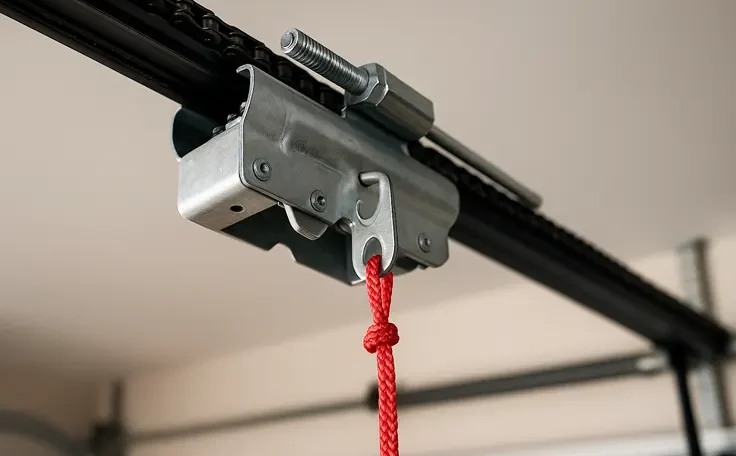
Ever hit your remote and hear that familiar hum as your door opens? There’s a hardworking part called a garage door trolley making that happen. It’s the piece that connects your opener to the actual door. Most people never think about it until something goes wrong. Today, we’re breaking down what this component does, which types exist, and how to pick the right one when you need a replacement. Understanding this simple part can save you headaches down the road. What Is a Garage Door Trolley? Picture a small carriage sliding along the metal rail above your car. That’s your garage door trolley in action. It rides back and forth on the track, connected to your door by a metal arm. When you push the button, the opener moves the trolley, which pulls or pushes your door open or closed. This part takes a real beating over time. It’s constantly moving and supporting weight every single day. Most folks don’t notice it until their door starts acting weird. A quick look every few months helps you catch problems early before they turn into expensive repairs. Garage Door Opener Trolley Assembly Types Different opener systems use different trolley styles. Knowing which type you have makes shopping for parts way easier. Let’s look at the most common setups you’ll find in garages today. Chain Drive and Belt Drive Systems Chain drives are louder but tough as nails. Belt drives run quieter, perfect if you have bedrooms above your garage. Both use a similar garage door trolley design that hooks to either the chain or belt. The main difference is how they move along the rail. You’ll find these components inside: Main carriage body Door arm connection points Manual release handle Rollers for smooth movement T-Rail Trolley Components and Hardware Modern systems often use T-shaped rails instead of round ones. The garage door trolley for these setups slides on a track that looks like the letter T. These newer designs come mostly pre-assembled from the factory. You get mounting brackets, bolts, and that red emergency release cord all in one kit. Trolley Assembly Replacement Parts and Compatibility Finding the right parts starts with your opener’s brand and model number. Check the sticker on your motor unit for this info. Most companies make their garage door trolley parts work only with their systems. Using mismatched parts causes problems and might damage your opener. You can buy complete kits or individual pieces. Full kits work great when you’re not sure what’s broken. Single parts are perfect when you know exactly what needs fixing. Big-box stores carry universal options, but original manufacturer parts usually fit better and last longer. Choosing the Right Garage Door Trolley Kit for Your Needs Shopping doesn’t have to stress you out. Start by finding your opener type and checking if parts are still available. Older models might need universal replacements instead. Look for kits with clear instructions and everything you need included in the box. Consider upgrading if your system is over 15 years old. Newer garage door trolley designs run smoother and quieter than old ones. They also work better with safety features like auto-reverse sensors. When you’re stuck, call a pro. They’ll help you pick the right parts and get everything installed correctly the first time around. Our Experts Are Here To Help Get a Free Quote

Is Your Garage Door Off Track? Here Is What To Do

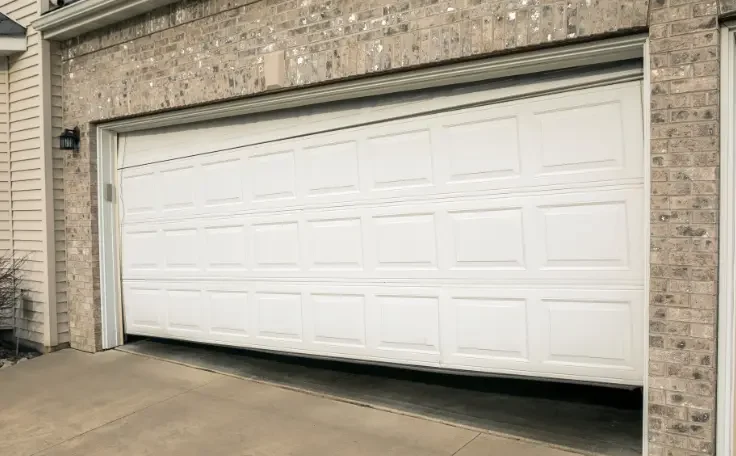
When your overhead entrance suddenly derails from its guide rails, it can be frustrating and potentially dangerous. A misaligned system not only prevents proper operation but can also pose safety risks to your family and property. Understanding the causes and solutions for a garage door off track helps you determine whether this is a DIY fix or requires professional assistance. Common Causes of a Garage Door Off Track Several factors can cause a garage door off track. Impact damage from vehicles accidentally bumping the lower sections ranks as the most frequent culprit. Over time, worn rollers lose their grip and slip out of the channels, especially when bearings deteriorate or wheels crack. Bent or damaged rails create another common problem. Temperature fluctuations cause metal components to expand and contract, potentially warping the guides. Additionally, loose mounting brackets allow the rails to shift position, creating gaps where rollers can escape. Cable issues often contribute to derailment problems. When lift cables snap or become loose, the weight distribution changes dramatically, forcing one side to bear excessive load. This imbalance frequently pushes rollers out of their intended pathway. DIY Solutions to Get Your Garage Door Back on Track Before attempting any repairs for a garage door off track, disconnect the automatic opener and secure the panels to prevent unexpected movement. Use C-clamps or locking pliers on the rails below the bottom roller to hold everything in place. Start by examining the entire rail system for obvious damage. Look for gaps, bends, or areas where mounting brackets have loosened. Sometimes, simply tightening bolts and realigning the guides solves the problem. For minor derailments, you can often reposition the rollers yourself. Partially open the unit until you can access the problem area. Using pliers, gently open the rail edge just enough to slip the wheel back into position. Once seated properly, use a rubber mallet to carefully close the rail opening. How to Fix a Garage Door Roller That Keeps Coming Off Track Persistent roller problems usually indicate worn components needing replacement and are a common cause of a garage door off track. Inspect each wheel for cracks, flat spots, or frozen bearings. Quality nylon rollers with sealed bearings typically last longer than standard plastic versions. To replace a faulty roller, secure the panel above and below the damaged component. Remove the hinge holding the old roller, slide it out, and insert the new one. Ensure proper alignment before reattaching the hinge hardware. Sometimes the issue stems from incorrect rail spacing. Measure the distance between guides at multiple points—they should maintain consistent parallel spacing. Adjust mounting brackets as needed to achieve proper alignment throughout the entire travel path. When to Call a Garage Door Repair Company for a Serious Issue Certain garage door off track situations demand professional expertise. If you notice severe rail damage, twisted panels, or broken torsion springs, stop immediately and contact specialists. These components operate under extreme tension and require specialized tools and training. Multiple rollers jumping their guides simultaneously suggests structural problems beyond simple maintenance. Professional technicians can assess whether the entire system needs realignment or if foundation settling has affected the opening’s geometry. Cable replacement also falls into the professional category. These high-tension components can cause serious injury if mishandled. Experts have the proper winding bars and knowledge to safely adjust or replace cables and springs. Signs Your Garage Door Being Off Track Requires Professional Repair Listen for grinding, scraping, or popping sounds during operation—these indicate components fighting against misalignment. Visible gaps between rollers and rails, even when seemingly minor, can quickly worsen under daily use. Uneven movement presents another red flag. If one side rises faster than the other, or the panels appear crooked when closed, the system suffers from alignment issues requiring expert adjustment. Frequent derailments, even after DIY fixes, suggest underlying problems. Professionals can identify issues like improper installation, inadequate rail gauge for the panel weight, or structural shifts affecting the entire assembly. This is a sign your garage door off track issue requires a pro. Prevention Tips to Avoid Future Garage Door Track Problems Regular maintenance prevents most garage door off track issues. Monthly visual inspections help catch problems early. Look for loose hardware, worn rollers, and rail damage. Lubricate moving parts quarterly using silicone spray or white lithium grease. Keep rails clean and free from debris. Dirt buildup creates friction and can push rollers out of alignment. Wipe channels with a damp cloth periodically, especially after storms or heavy pollen seasons. Test balance annually by disconnecting the opener and manually lifting the panel halfway. It should stay in position without assistance. Imbalanced systems strain components and increase derailment risk. Avoid hanging items from the overhead assembly or rails. Extra weight stresses the system beyond its design capacity. Similarly, ensure family members understand proper operation to prevent forcing a stuck unit. Schedule professional inspections every two years. Technicians can identify wear patterns and replace components before failure occurs. This proactive approach costs less than emergency garage door off track repairs and extends system lifespan. Our Experts Are Here To Help Get a Free Quote

Garage Door Service And Repair Explained: What You Need To Know

Have you ever had your car stuck inside because your garage wouldn’t open? It’s super frustrating! Garage door service and repair might not be something you think about often, but when problems happen, they can disrupt your whole day. I’ve worked with countless homeowners who wished they knew more before their garage door stopped working. Let’s break down what you need to know about keeping those doors working smoothly year-round. Common Types of Issues That Require Garage Door Service and Repair Most homeowners face similar problems with their garage systems. The opener might stop responding, or you might hear unusual noises when the door moves. These are warning signs that shouldn’t be ignored! Garage door service and repair professionals commonly address issues with springs, cables, and tracks. Springs are under incredible tension and can be dangerous if they break. When a spring snaps, you’ll likely hear a loud bang, and your door won’t move properly afterward. Cables work together with springs and can fray or come off the drum. Track problems usually show up as jerky movements or doors that get stuck halfway. When to Call for Expert Garage Door Service and Repair and Installation Some jobs are perfect for DIY enthusiasts, but garage door service and repair often require professional help. You should call experts when: Your spring has broken or looks worn The door won’t open or close completely The opener runs but the door doesn’t move The door falls too quickly or is unbalanced Your safety sensors aren’t working properly Professional technicians have the right tools and training to fix these issues safely. They can also help with full replacements when your current system is too old or damaged to repair cost-effectively. Understanding Emergency Garage Door Service and Repair Sometimes problems can’t wait for regular business hours. Many local companies offer same-day services for urgent situations. Emergency garage door technicians can help when you’re locked out, your car is trapped inside, or when security is compromised. These services might cost more than standard appointments, but they provide peace of mind when you’re in a tough spot. Most companies can dispatch someone within 1-2 hours for true emergencies, which is why it’s smart to research options before problems happen. Essential Garage Door Maintenance and Tune-Up Services Regular maintenance helps prevent those emergency calls! Garage door service and repair includes tune-ups that can extend the life of your system. Professionals typically check the balance, lubricate moving parts, tighten hardware, and test safety features. You can do some basic maintenance yourself, like keeping tracks clean and checking for loose hardware monthly. However, a professional inspection once a year catches issues you might miss. This small investment prevents bigger problems and keeps your system running smoothly for years. Choosing a Local Garage Door Company for Repair or Replacement Finding the right provider matters almost as much as fixing the problem. A good local garage door company will offer transparent pricing, warranties on parts and labor, and have positive reviews from other homeowners in your area. Ask potential companies about their experience with your specific type of door or opener. Some specialize in certain brands or models. Garage door service and repair costs vary widely, so get multiple quotes before making decisions about major repairs or replacements. The cheapest option isn’t always best when it comes to something you use daily. Remember that a quality job might cost more upfront but saves money on future repairs. Look for companies that take time to explain what they’re doing and why. This level of service indicates they value education and customer satisfaction over quick profits. Our Experts Are Here To Help Get a Free Quote Common Questions After Reading How often should I have my garage door professionally serviced and repaired?   Most experts recommend a professional tune-up once a year. However, if your door gets heavy use (opening more than 5 times daily), consider service every six months. Between professional visits, do monthly visual checks of springs, cables, and hardware, and listen for unusual noises. How long does a typical garage door service and repair take?   Most standard repairs take between 1-2 hours once the technician arrives. Simple fixes like sensor alignments might take 30 minutes, while spring replacements usually take about 1 hour. Complete door installations generally require 3-5 hours, depending on whether your opener needs replacement too. How much should I budget for garage door service and repairs?   Minor repairs like sensor issues typically cost $100-$150. Spring replacements usually run $150-$350, depending on your door type. Complete opener replacements cost $300-$500 on average. Full door replacements vary widely, from $800 for basic models to $3,500+ for custom designs with premium materials. Most experts recommend a professional tune-up once a year. However, if your door gets heavy use (opening more than 5 times daily), consider service every six months. Between professional visits, do monthly visual checks of springs, cables, and hardware, and listen for unusual noises. Most standard repairs take between 1-2 hours once the technician arrives. Simple fixes like sensor alignments might take 30 minutes, while spring replacements usually take about 1 hour. Complete door installations generally require 3-5 hours, depending on whether your opener needs replacement too. Minor repairs like sensor issues typically cost $100-$150. Spring replacements usually run $150-$350, depending on your door type. Complete opener replacements cost $300-$500 on average. Full door replacements vary widely, from $800 for basic models to $3,500+ for custom designs with premium materials.

8 ft x 8 ft Garage Door: What you need to know

So you’re looking at an 8 ft garage door for your home. Let me tell you what I’ve learned after years of helping homeowners pick the right size. These compact options work great for smaller spaces or single-car setups. The 8 ft garage door actually offers more flexibility than you might think. Whether you need something for a shed, workshop, or actual vehicle storage, this size hits that sweet spot between functionality and space-saving design. Understanding 8 ft x 8 ft Garage Door Size When we talk about an 8 ft garage door, we’re discussing a pretty specific solution. These dimensions work perfectly for golf cart storage, ATVs, or smaller vehicles. I’ve installed dozens of these over the years, and homeowners love them for utility buildings too. The actual opening needs about 8.5 feet of width to accommodate the frame properly. Height clearance stays similar, with most installations needing just a few extra inches. What surprises people is how this size maximizes usable space while keeping costs reasonable. Think of it like finding the perfect fit for your favorite jacket. Too big wastes money and space. Too small doesn’t serve its purpose. The 8 ft garage door sits right in that comfort zone for specific needs. Available Model Range and Features You’ve got plenty of choices with this size. Steel models start around $500 and go up from there. Aluminum options weigh less, making them easier on your opener system. Wood brings that classic look but needs more maintenance. Most manufacturers offer windows, decorative hardware, and color options too. I always tell clients to consider their home’s style first. A modern home might look great with aluminum and glass panels. Traditional homes often suit raised panel designs better Available Model Range and Features Standard single-car doors measure 8 to 9 feet wide. Double-car versions span 15 to 16 feet. Anything outside these dimensions costs more. Custom sizes can add 20-30% to your total. Style choices range from traditional raised-panel to modern glass-and-aluminum designs. Carriage-house styles are trending but cost more. Windows, decorative hardware, and special finishes all increase garage door prices. Smart features like Wi-Fi connectivity add convenience but also expense. Installation Service and R-Value Considerations Here’s where things get interesting with your 8 ft garage door project. Professional installation typically runs between $200-400, depending on your area. The R-value, which measures insulation effectiveness, becomes crucial if you’re heating or cooling that space. Non-insulated models work fine for basic storage. But if you’re using it as a workshop, you’ll want at least R-6 insulation. Some homeowners go up to R-16 for maximum efficiency. The price difference isn’t huge, maybe $200-300 more. Installation takes about 2-4 hours for experienced pros. They’ll check your: Opening measurements and framing Spring tension requirements Track alignment specifications Weather seal placement Safety sensor positioning High Performance Product Collection Premium 8 ft garage door options really shine when you need extra durability. Wind-rated models handle coastal conditions beautifully. Some manufacturers offer lifetime warranties on their high-end steel products. Smart technology integration has changed the game recently. WiFi-enabled openers let you control everything from your phone. Battery backup systems keep things running during power outages. These features add maybe 20-30% to your total cost but deliver serious convenience. Getting Your Savings Quote Getting accurate pricing for your 8 ft garage door starts with measuring correctly. Take width and height measurements at three different points. Use the smallest measurement to avoid ordering something too big. Most suppliers offer free quotes within 24 hours. Online configurators help you see different styles and calculate costs instantly. Don’t forget to factor in removal of your old unit if needed, usually $50-100. Local dealers often beat big box store prices, especially during slow seasons. Spring and fall typically bring the best deals. Ask about contractor discounts if you’re working with a builder. Many places offer 10-15% off for multiple units too. Your perfect 8 ft garage door solution depends on your specific needs and budget. Take time to compare options and don’t rush the decision. Our Experts Are Here To Help Get a Free Quote Common Questions After Reading Can I install an 8 ft garage door myself to save money? While DIY installation is possible, I wouldn’t recommend it. Springs carry serious tension and can cause injury if mishandled. You’ll need specialized tools like winding bars and a level. Professional installation costs $200-400 but includes warranty coverage and proper safety setup. Most homeowners find the peace of mind worth the extra cost versus potential medical bills. How long will my 8 ft garage door typically last? With proper maintenance, expect 15-30 years depending on material choice. Steel models with good paint finish last longest. Aluminum resists rust but dents easier. Wood needs repainting every 3-5 years but can last decades. Springs typically need replacement every 7-10 years. Regular lubrication and tightening hardware every six months adds years to any model’s lifespan. What’s the actual total cost I should budget for? Budget between $800-2000 total for everything. Basic steel runs $500-700, installation adds $200-400, and an opener costs $200-500. Insulated models add $200-300. Windows or decorative hardware might add another $100-200. Don’t forget removal of old equipment at $50-100. Spring for the insulation if you’re using the space regularly, it pays for itself quickly. While DIY installation is possible, I wouldn’t recommend it. Springs carry serious tension and can cause injury if mishandled. You’ll need specialized tools like winding bars and a level. Professional installation costs $200-400 but includes warranty coverage and proper safety setup. Most homeowners find the peace of mind worth the extra cost versus potential medical bills. With proper maintenance, expect 15-30 years depending on material choice. Steel models with good paint finish last longest. Aluminum resists rust but dents easier. Wood needs repainting every 3-5 years but can last decades. Springs typically need replacement every 7-10 years. Regular lubrication and tightening hardware every six months adds years to any model’s lifespan. Budget between $800-2000 total for everything. Basic..

Garage Door Prices 2025: What You should Expect For Garage Door Costs

If you’re thinking about upgrading your garage, you’re probably wondering about garage door prices right now. We get it – it’s a big investment for your home. After helping countless homeowners navigate this decision, we’re breaking down everything you need to know about costs in 2025. Let’s dive into what you can expect to pay. Average Garage Door Prices Replacement Cost in 2025 The average cost to replace a garage door ranges from $750 to $4,000. Most homeowners spend around $1,500 to $2,200 for a standard two-car model. Single-car doors typically cost less, usually between $600 and $1,500. These garage door prices include the door itself but not always installation. What drives these numbers? Material plays a huge role. Steel doors are your most budget-friendly option, starting around $500. Wood doors look gorgeous but can run $2,000 or more. Aluminum sits in the middle, offering good value around $1,000 to $1,500. Remember, these are just starting points for garage door prices in today’s market. Factors Influencing Garage Door Prices Several things affect what you’ll pay for your new garage door. Location matters – prices vary significantly between regions. Urban areas often charge more for both materials and labor. The age of your home impacts costs too, especially if you need structural adjustments. Your old door condition determines prep work needed. Sometimes removing damaged tracks or frames adds unexpected expenses. Weather patterns in your area influence material recommendations, which affects pricing. Door Size and Garage Door Style Option Standard single-car doors measure 8 to 9 feet wide. Double-car versions span 15 to 16 feet. Anything outside these dimensions costs more. Custom sizes can add 20-30% to your total. Style choices range from traditional raised-panel to modern glass-and-aluminum designs. Carriage-house styles are trending but cost more. Windows, decorative hardware, and special finishes all increase garage door prices. Smart features like Wi-Fi connectivity add convenience but also expense. Cost of Insulated Garage Doors vs Basic Garage Options An insulated garage door costs $800 to $3,000 more than non-insulated versions. Why the difference? Insulated models use polyurethane or polystyrene between steel layers. This construction requires more materials and manufacturing complexity. But here’s what many don’t realize – insulated doors offer serious benefits: Lower heating and cooling bills Quieter operation Better durability Reduced street noise Improved temperature control For attached ones, insulation makes sense. The energy efficiency savings often offset higher upfront garage door prices within five years. Climate matters though – mild regions might not see the same payback. Professional Garage Door Installation vs DIY Garage Door Replacement Professional installation adds $200 to $500 to your project. Some companies include it with door purchase. Labor costs depend on complexity and local rates. Most pros finish standard installations in 3-4 hours. DIY saves money but requires skills and tools. You’ll need help – doors are heavy and awkward. Spring tension can be dangerous without proper knowledge. Many manufacturers void warranties for self-installed doors. Consider your comfort level honestly before deciding. Additional Cost Considerations Beyond the door and installation, expect other expenses. An opener runs $200 to $600. Replacement springs cost $150 to $350. New tracks add $125 to $200. Weather stripping costs $50 to $100. Disposal fees for your old door range from $25 to $50. Some installers include this, others don’t. Permits might be required, typically $50 to $200. Emergency repairs after installation occasionally happen, so budget a small cushion. How to Replace Your Garage Door Within Budget Start by getting three quotes from local dealers. Compare not just garage door prices but warranty terms too. Ask about seasonal sales – many companies discount in fall and winter. Consider last year’s models for savings. Time your replacement strategically. Avoid emergency situations where you can’t shop around. Plan ahead when your door shows wear signs. Bundle with neighbors for potential group discounts. Some dealers offer financing with promotional rates. Check if your homeowner’s insurance offers any coverage for door replacement after damage. Making the Right Investment for Your Home Choosing the right door for your home balances cost, aesthetics, and functionality. Quality doors last 15-30 years with proper maintenance. Spending slightly more on new garage door prices for better materials often pays off long-term. Think about curb appeal impact. Realtors say one return 94% of investment at resale. Match your home’s architecture for best results. Consider neighborhood standards too. Going too cheap or too fancy can both hurt value. Focus on durability and timeless style over trendy features. Our Experts Are Here To Help Get a Free Quote Common Questions After Reading What’s the best time of year to buy a new garage door?  Fall and winter typically offer the best deals on garage door prices. Contractors have slower seasons then, so they’re more willing to negotiate. Many manufacturers run year-end clearance sales too. Spring and summer are busiest, meaning less flexibility on pricing and longer wait times for installation. How long do garage doors typically last? With proper maintenance, quality garage doors last 15 to 30 years. Steel and aluminum doors generally reach 20 years. Wood doors need more care but can last decades. Springs typically need replacement every 7-10 years. Regular lubrication and minor adjustments extend lifespan significantly for any door type. Can I finance garage door prices? Yes, many dealers offer financing options for garage door prices purchases. Some provide 0% interest for 6-12 months on approved credit. Home improvement stores often have credit cards with special financing. Personal loans or home equity lines work too. Compare interest rates and terms carefully before committing to any financing option.  Fall and winter typically offer the best deals on garage door prices. Contractors have slower seasons then, so they’re more willing to negotiate. Many manufacturers run year-end clearance sales too. Spring and summer are busiest, meaning less flexibility on pricing and longer wait times for installation. With proper maintenance, quality garage doors last 15 to 30 years. Steel and aluminum doors generally reach 20 years. Wood doors need more care but can last..

Garage Door Sensor Not Working? Here’s Why

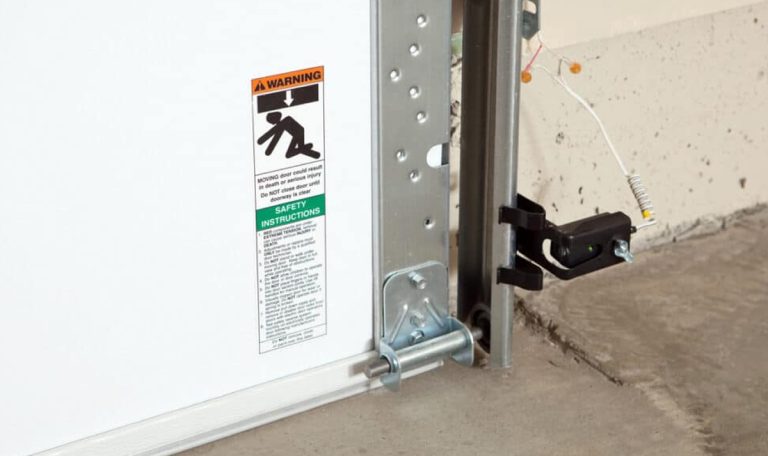
Is your garage door sensor giving you trouble? You’re not alone. These safety devices protect your family and belongings daily. When they stop working properly, it becomes frustrating quickly. Let’s explore why your garage door sensor might fail and how you can fix it yourself. Common Garage Door Sensor Problems Your garage door opener relies on safety sensors to function correctly. These small devices sit near the ground on both sides. They create an invisible beam that detects objects in the path. The most common sensor issue happens when something blocks the beam. Dirt, leaves, or spider webs often cause problems. Sometimes the bracket holding them gets bumped or loosened. This misalignment prevents the sensors from communicating. Weather can also affect how sensors work. Rain, snow, or extreme temperatures cause malfunctions. The wiring connecting them might corrode or break over time. When this happens, you’ll notice the sensor light starts to blink irregularly. How to Troubleshoot Your Safety Sensors Before calling for help, try these simple fixes yourself. First, check if anything blocks the sensor may path between units. Even small objects can prevent your system from working. Next, clean the sensor lenses with a soft cloth. Dust and grime build up over time. This blocks the signal between units. Make sure both sides are completely clean. Benefits of Quality Overhead Doors When you invest in quality products, you’re choosing longevity. Premium overhead systems feature better materials, stronger components, and superior construction techniques. This means fewer repairs and replacements over time. Our selection includes products from manufacturers known for their excellent craftsmanship. These companies use galvanized hardware, commercial-grade springs, and precision engineering to ensure each unit performs reliably for years. A reputable garage door supplier like us only partners with the best manufacturers in the industry. Check the Photo Eye and Sensor Beam The photo eye sensor needs proper alignment to function. Look for indicator lights on each unit. A solid light means good alignment. If lights blink red or stay off, adjustment is needed. Gently adjust each unit until lights stay solid. The photo eye must point directly at its partner. Sometimes loosening and retightening the mounting helps. Test by trying to close the garage door several times. When to Contact a Garage Door Repair Professional Some problems require professional expertise. Here are signs you need expert help: The red sensor continues blinking after alignment attempts Damaged or frayed wiring is visible Door contacts appear burnt or corroded Your Genie garage door sensors don’t respond to adjustments Multiple sensor problems occur simultaneously Professional technicians understand complex sensor beam issues. They have specialized tools for testing circuits. Genie garage door openers manufactured recently need specific diagnostic equipment. Don’t risk injury trying advanced repairs yourself. Smart Garage Control Solutions Modern technology offers better monitoring options. A smart garage hub connects to your existing system. These devices alert you to problems instantly. You can check status from anywhere using your phone. Upgrading might include garage door sensor replacement with newer models. Today’s units resist weather damage better. They also self-diagnose problems before complete failure occurs. Consider adding backup sensors for extra safety. Some systems include cameras for visual confirmation. This helps when you can’t close the door remotely. The investment pays off through prevented accidents and convenience. Our Experts Are Here To Help Get a Free Quote FAQ Why does my sensor keep blinking red even after cleaning? blinking red light usually indicates misalignment or electrical issues. Check if the mounting brackets are secure first. If that doesn’t work, inspect the wiring for damage. Sometimes direct sunlight interferes with older sensors. Installing sun shields or relocating slightly might help. Persistent problems often mean the unit needs replacement. Can I bypass the safety sensors temporarily? While technically possible, bypassing sensors is dangerous and often illegal. These devices prevent serious injuries and property damage. Instead, try manual operation using the emergency release cord. This lets you open and close manually while troubleshooting. Always restore sensor function before returning to automatic operation for everyone’s safety. How often should I maintain my garage door sensors? Perform basic maintenance every three months for optimal performance. Clean lenses monthly in dusty environments. Test alignment by placing objects in the path regularly. Annual professional inspections catch problems early. Replace batteries in wireless models blinking red light usually indicates misalignment or electrical issues. Check if the mounting brackets are secure first. If that doesn’t work, inspect the wiring for damage. Sometimes direct sunlight interferes with older sensors. Installing sun shields or relocating slightly might help. Persistent problems often mean the unit needs replacement. While technically possible, bypassing sensors is dangerous and often illegal. These devices prevent serious injuries and property damage. Instead, try manual operation using the emergency release cord. This lets you open and close manually while troubleshooting. Always restore sensor function before returning to automatic operation for everyone’s safety. Perform basic maintenance every three months for optimal performance. Clean lenses monthly in dusty environments. Test alignment by placing objects in the path regularly. Annual professional inspections catch problems early. Replace batteries in wireless models

Book Your
Appointment Today!

1
2
3
Last Page
Select Service: *
Select Date: *
Select Time Slot: *
First Name: *
Last Name: *
Phone Number: *
Email: *
Street *
Unit:
City: *