
Selecting a rolling or roller-shutter door starts with the opening, duty cycle, security needs, wind exposure, fire-rating requirements when applicable, controls, available headroom, environment, and maintenance capacity. The best system is the one specified and installed for the actual facility—not a one-size-fits-all product. For opening-specific product and service planning, review our commercial garage door repair San Antonio service.
Understanding Roller Shutter Door Materials -
From Vinyl to PVC Options
Available curtain and slat materials vary by manufacturer and door system. Steel and aluminum assemblies can be configured for different opening sizes, duty cycles, wind requirements, security levels, insulation, corrosion exposure, and controls.
Vinyl or fabric high-speed products are a different door category and should not be treated as interchangeable with a rolling steel shutter. Compare the complete tested or listed assembly, maintenance requirements, and manufacturer documentation for the actual facility.
Security Features That Keep Unauthorized Access at Bay
Available security features can include appropriate slat construction, guides, bottom bars, locks, monitored controls, door-position alerts, and integration with a facility security system. Performance depends on the complete listed or tested assembly, correct installation, and compatible controls rather than one feature alone.
Durable Construction and Insulation Benefits for Your Warehouse
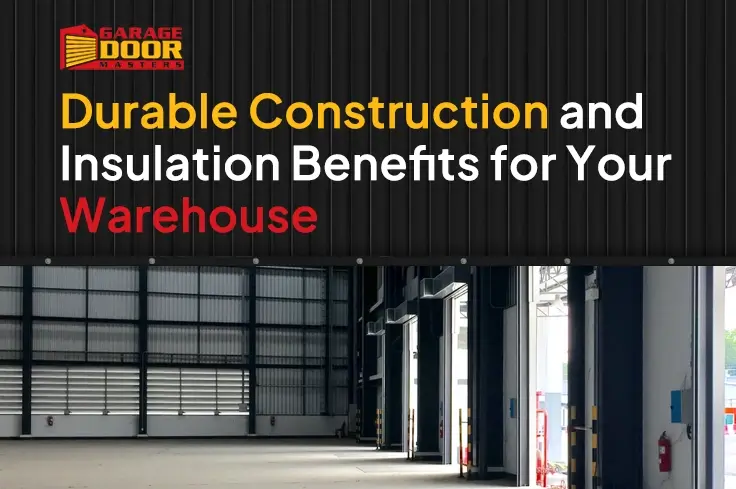
Insulated curtain or slat options may help manage heat flow and sound.
Performance depends on:
- The complete assembly.
- Perimeter conditions and opening frequency.
- The building envelope.
- Installation.
- Tested thermal data for the exact product, wind and duty ratings, controls, maintenance, and the facility’s operating needs.
Do not promise fixed energy savings, longer HVAC life, or worker-productivity gains from the door alone.
Installation Requirements and Fire Codes Compliance
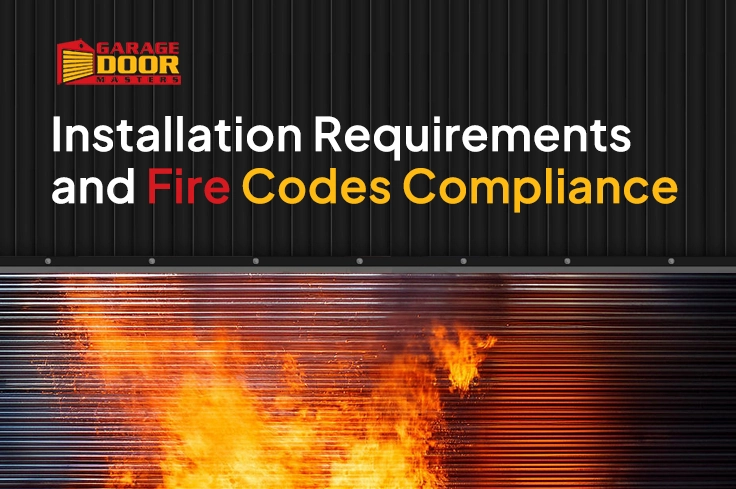
Structural support, electrical service, controls, guarding, fire and life-safety requirements, and local approvals must be evaluated for the specific opening. A rolling fire door’s release system is designed to close the door when activated; it is not automatically a pedestrian-egress device. Fire-rated openings require the appropriate listed assembly, manufacturer instructions, and coordination with the authority having jurisdiction.
Making the Final Decision on Your Commercial Door Investment
Compare duty rating, construction, insulation, wind requirements, controls, safety devices, service access, maintenance schedule, written warranty terms, and total operating needs. Obtain a written specification and proposal based on the actual opening and facility requirements.

Our Experts Are Here To Help
Get a Free Estimate
Frequently Asked Questions
What affects the scope of a rolling-shutter installation?
Scope depends on opening size, curtain and guide construction, duty cycle, controls, structural support, electrical work, wind or fire requirements, access, and commissioning. A site assessment is required for an accurate written proposal.
What maintenance does a security shutter require to stay functional?
Follow the manufacturer’s maintenance schedule for the exact door. Keep accessible areas clean and report damage or abnormal operation. Do not lubricate guides, adjust springs, or service release or brake components unless the manual assigns that work to authorized facility personnel. Schedule periodic professional inspection.
Can we customize the aesthetic appearance to match our building design?
Available finishes, colors, perforation, vision, materials, and branding options vary by manufacturer and door system. Confirm that any aesthetic selection remains compatible with wind, fire, security, ventilation, and operational requirements.