
Your garage door does more than just open and close. It protects your home from the elements every single day. But here’s what many homeowners miss. The sealing around your door matters just as much as the door itself. Garage door weather stripping keeps out rain, dust, pests, and extreme temperatures. Without proper seals, you’re basically leaving gaps in your home’s defense. We’ve helped countless homeowners fix drafty garages. Trust us, good weather stripping makes a massive difference in comfort and energy bills.
What Is Garage Door Weather Stripping?
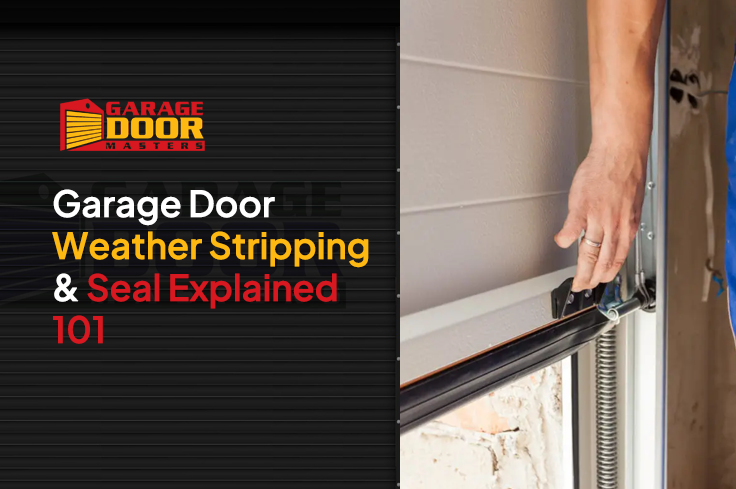
Let’s start with the basics. Garage door weather stripping is the flexible material that lines the edges of your door. It creates a tight seal between your door and the frame. This barrier blocks outside air, water, and debris from sneaking into your space.
You’ll find weather stripping along the bottom, sides, and top of most doors. Each piece works together to create complete coverage. Over time, we’ve seen how worn-out strips lead to bigger problems. Cold drafts in winter, hot air in summer, and even critters finding their way inside. Good garage door weather stripping prevents all of this.
Types of Garage Door Seal Materials You Should Know
Not all seals are created equal. The material you choose affects durability, flexibility, and performance. Different climates and budgets call for different solutions. Let’s break down your main options so you can pick the one that works best for you.
Rubber and Vinyl Weather Seal Options
Rubber seals are the most popular choice for good reason. They’re flexible, affordable, and handle temperature changes well. You’ll find rubber garage door weather stripping at most hardware stores. It compresses nicely against concrete floors and wooden frames.
Vinyl is another solid option that many homeowners prefer. It’s lightweight and resists moisture better than some alternatives. However, vinyl can crack in extreme cold over time. We typically recommend rubber for harsher climates and vinyl for milder regions.
Metal and Aluminum Weatherstripping Choices
Metal weatherstripping offers a more permanent solution. It’s incredibly durable and lasts for years without replacement. Aluminum strips work great along door frames and thresholds. They create a solid barrier that withstands heavy use.
The downside? Metal options cost more upfront. They also require more precise installation to work properly. But if you want something that lasts, aluminum weatherstripping is worth considering. We’ve installed metal strips on commercial properties that still look great after a decade.
Signs It's Time to Replace Your Garage Door Weather Stripping
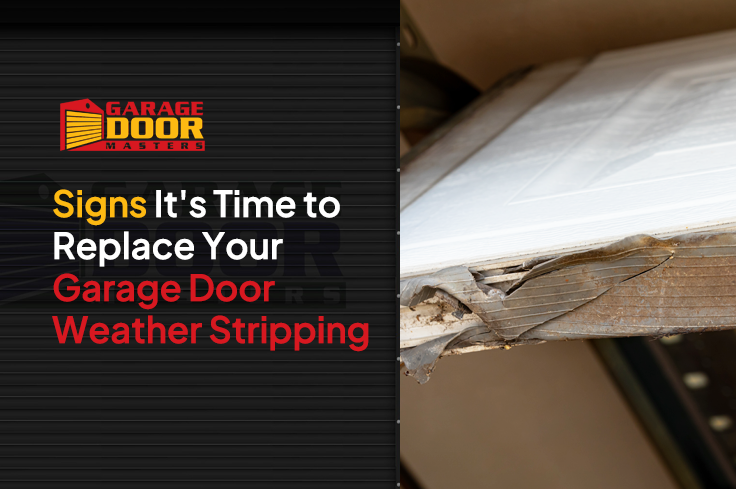
How do you know when your seals need attention? Your garage gives you plenty of clues. Pay attention to these warning signs that indicate replacement time has arrived.
Watch for these common problems:
- Visible cracks, tears, or gaps in the stripping
- Light coming through around closed doors
- Water puddles form inside after rain
- Increased dust and debris on your garage floor
- Drafts or temperature swings you didn’t notice before
If you spot any of these issues, your garage door weather stripping needs work. Don’t wait until problems get worse. Small gaps grow bigger over time. What starts as a minor draft can become a major energy drain.
How to Install Garage Door Weatherstripping the Right Way
Ready to tackle this project? Installing new seals isn’t too complicated. Most homeowners can handle basic replacement with the right preparation. Here’s what you need to know before starting.
First, measure your door carefully. You need accurate dimensions for the bottom, sides, and top. Buy slightly more material than you think you’ll need. Next, remove the old garage door weather stripping completely. Clean the surfaces where new strips will attach. Any dirt or debris prevents proper adhesion.
When you install new weatherstripping, work in sections. Start with the bottom seal since it takes the most abuse. Press firmly to ensure good contact along the entire length. For the sides, make sure strips align properly with the door’s path. A poorly installed seal won’t protect anything.
How Weather Seal Helps Insulate Your Space
Good sealing does more than block rain. It actually helps insulate your entire garage. This matters whether you use your garage for parking, storage, or as a workshop. Temperature control saves money and increases comfort.
Proper garage door weather stripping reduces heat transfer significantly. In summer, it keeps cool air inside and hot air out. During winter, it prevents your heated air from escaping. We’ve seen customers lower their energy bills noticeably after upgrading their seals. Your HVAC system doesn’t work as hard when your garage stays stable.
The insulation benefits extend to your home, too. Many garages share walls with living spaces. A drafty garage affects rooms on the other side. Quality weather seals protect your whole house, not just the garage itself.
Keep Your Home Protected with Quality Garage Door Weather Stripping
Your garage deserves proper protection year-round. Quality garage door weather stripping is one of the easiest upgrades you can make. It’s affordable, relatively simple to install, and pays for itself in energy savings.
Don’t ignore those drafts and gaps any longer. Whether you choose rubber, vinyl, or metal options, the important thing is taking action. Check your current seals today. Look for cracks, gaps, and wear. If something seems off, it probably is. Your comfortable, protected garage is just a simple upgrade away. Take care of your weather seals, and they’ll take care of you.
Our Experts Are Here To Help
Get a Free Quote
Q: How long does garage door weather stripping typically last?
A: Most weather stripping lasts between 3 and 5 years with normal use. However, this varies based on climate, material quality, and how often you open your door. Rubber seals in extreme temperatures wear faster. Check your seals annually for signs of cracking or compression. Regular inspection helps you catch problems early before they affect your garage’s protection.
Q: Can I install weather stripping on any type of garage door?
A: Yes, weather stripping works on virtually all door types. Whether you have steel, wood, aluminum, or fiberglass doors, seals are available. The key is choosing the right profile and material for your specific door design. Sectional doors, roll-up doors, and swing-out doors each have compatible options. Measure carefully before purchasing.
Q: What's the difference between bottom seals and side seals?
v.
Q: Will new weather stripping help with garage noise?
A: Absolutely. Proper seals reduce noise transfer in both directions. Outside traffic sounds stay outside. Your power tools and projects bother neighbors less. The flexible materials absorb vibrations and fill gaps where sound travels. It’s not soundproofing, but you’ll notice a quieter space after installation.
Q: Should I hire a professional or do this myself?
A: Most basic weather stripping replacement is DIY-friendly. If you’re comfortable with simple tools and following instructions, you can handle it. However, consider professional help for complex installations or if your door has alignment issues. Improperly installed seals won’t work correctly. Sometimes, professional installation saves frustration and ensures proper performance.
Q: How much does weather stripping replacement cost?
A: DIY replacement typically costs between $20 and $75 for materials. This covers a complete set for most standard residential doors. Professional installation adds labor costs, usually $75 to $150, depending on your location. Premium materials like aluminum cost more upfront but last longer. Consider your budget and how long you plan to stay in your home.