

A worn, damaged, or unreliable garage door does not automatically need replacement. Some problems are repairable; others indicate that replacement may offer better safety, compatibility, appearance, or long-term value. The right decision starts with the condition of the sections, tracks, hardware, spring system, opener, seals, and opening—not age or appearance alone. For an opening-specific comparison and written scope, review garage door replacement in San Antonio options.
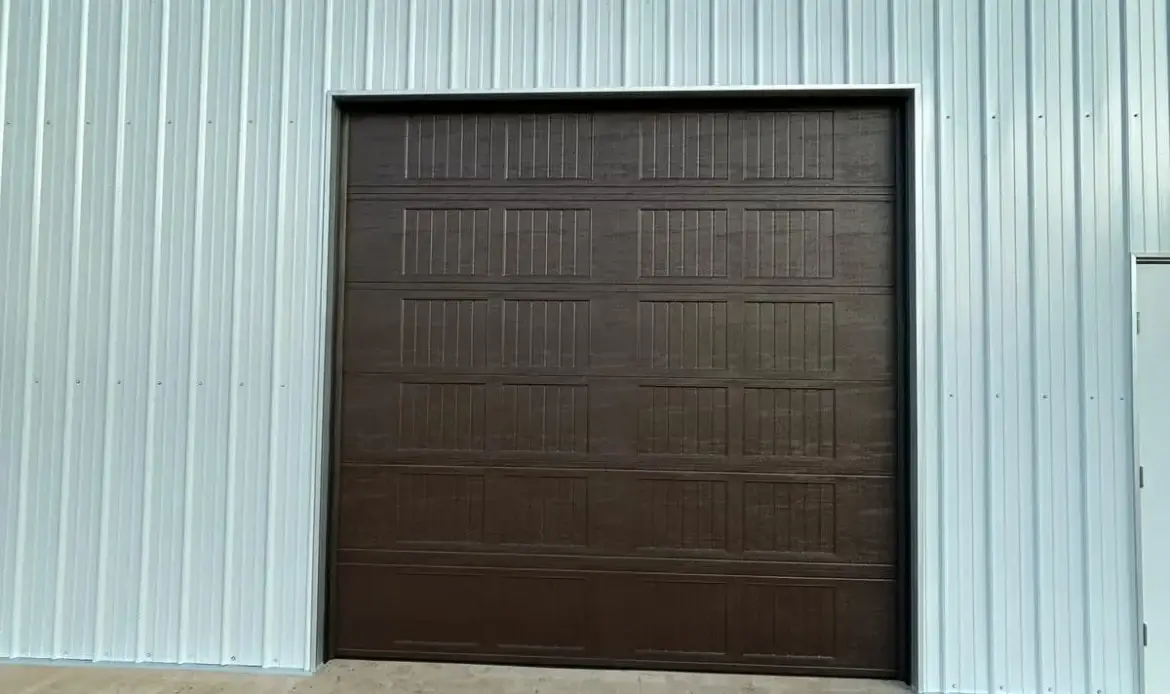
Signs Your Residential Garage Door Needs Replacement
Grinding, scraping, uneven travel, a crooked door, frayed cables, broken springs, cracked sections, or a door that feels unusually heavy require prompt inspection. Noise alone does not prove replacement is needed, and cosmetic panel damage may be repairable.
Replacement becomes more reasonable when damage affects structural integrity, compatible parts are unavailable, the door cannot meet current project requirements, or the combined repair scope is poor value. Stop operating a door that is unstable, partially open, or showing cable or spring damage.
Benefits of Installing a New Garage Door
A replacement can improve appearance, operation, weather sealing, and compatibility with current hardware or opener features when the existing system is damaged or obsolete. Any effect on resale value or energy use depends on the selected door, installation, home, climate, and local market. Compare the complete specification and written scope rather than assuming every new door produces the same return.
Opener Compatibility and Access Features
A new garage door does not automatically include a new opener. If an opener is being replaced, confirm that it is compatible with the door and that required safety features are installed and tested. Rolling-code controls reduce the risk of replaying a previously captured radio code; connected models may also provide status alerts and remote control. These features do not replace strong account security, controlled remote access, or physical door security.
Matching Door Design to the Home
Panel profiles, windows, finishes, and materials can change how a garage door relates to the home. Compare physical samples with the roof, masonry, siding, trim, and front door, then confirm the selected construction, glazing, finish, hardware, and maintenance requirements on the written order.

Our Experts Are Here To Help
Get a Free Estimate
Common Garage-Door Design Options
Common design categories include the options below, but construction, dimensions, glazing, finishes, wind configurations, and availability vary by manufacturer. Compare the exact product specifications for the opening rather than choosing by style name alone.
- Carriage-house profiles — traditional detailing with product-specific construction and hardware
- Aluminum-and-glass designs — contemporary appearance with model-specific glazing and thermal performance
- Raised-panel designs — widely available profiles suited to many traditional exteriors
- Wood and wood-look designs — varied appearance, weight, finish, and maintenance requirements
- Steel constructions — available in multiple gauges, layers, coatings, insulation levels, and panel designs
Color and finish availability varies by product. Compare physical samples in the home’s actual light and exposure, and review the manufacturer’s cleaning, refinishing, corrosion, and finish-warranty requirements before ordering.
When Garage Door Replacement Makes Sense
Replacement is worthwhile when inspection shows that the existing door is unsafe, structurally compromised, incompatible with needed hardware, or uneconomical to repair. Choose a door that fits the opening, wind requirements, desired appearance, maintenance expectations, and budget. A written proposal should identify the exact door, hardware, removal, installation, testing, exclusions, and warranty terms.
FAQ
How should I choose a garage-door design for my home?
No single design guarantees the highest return. A door that complements the home, fits the opening, meets local requirements, and is installed correctly can support curb appeal and buyer perception. Resale impact varies by property, neighborhood, market, condition, and project cost, so choose for durable fit and performance rather than a promised percentage.
Can insulation be added to an existing garage door?
Do not add a generic insulation kit without confirming that the door manufacturer approves the material, attachment method, clearances, and added weight for the exact model. Added insulation can affect balance, springs, hardware, opener settings, wind performance, and warranty coverage. A damaged, heavy, or unbalanced door should be evaluated professionally; a factory-insulated replacement may be the better option.
What should I compare when choosing a steel garage door?
Steel doors are available in many constructions, finishes, insulation levels, and panel designs. Maintenance, dent resistance, corrosion performance, security, thermal performance, and price depend on the exact gauge, coatings, reinforcement, insulation, hardware, exposure, and installation. Compare the full manufacturer specification rather than treating all steel doors as equivalent.