Category: Garage Door Prices

Are Garage Door Screens Worth It?

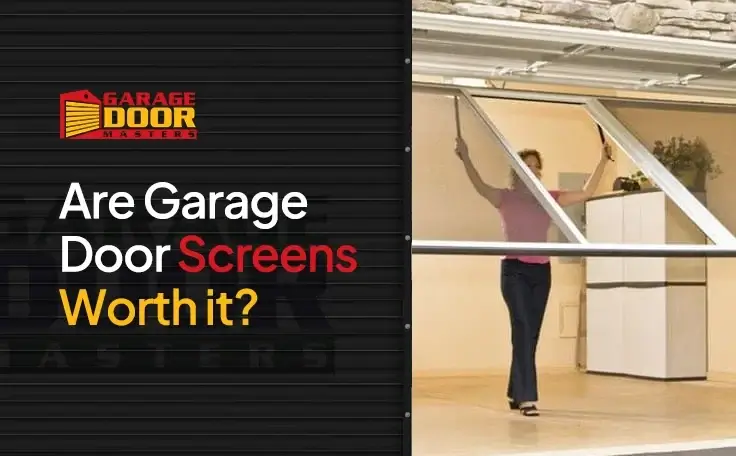
Ever wished you could enjoy fresh air in your garage without bugs flying in? A garage door screen makes that dream possible. These handy additions let you open up your space while keeping pests out. Whether you use your garage for working out, hobbies, or just hanging out, a garage door screen changes everything. They come in different styles to fit any need and budget. Let’s break down what these screens are all about and help you decide if one is right for your home. What Is a Garage Door Screen? A garage screen door is basically a mesh barrier that covers your door opening. It attaches to the frame and creates a bug-free zone inside. You can still see outside and feel the breeze. But mosquitoes and flies stay out where they belong. Most garage door screens work with your existing overhead door. You raise your main door, and the screen system stays in place. It’s a simple concept that makes a big difference. These screens come ready for easy installation in most cases. Some mount with tracks along the sides for a secure fit. Others use magnetic closures or hook-and-loop fasteners instead. The goal is always the same with a garage door lifestyle screen. You get airflow without the annoyance of insects buzzing around your head all day. Types of Screens for Your Garage Not all garage door screens are created equal. Different types suit different needs and budgets around your home. Your choice depends on how often you’ll use it and what features matter most. Some people want a permanent garage door screen setup that lasts for years. Others prefer something they can take down easily when the seasons change. Let’s look at the most popular options available today. Retractable and Roll-Up Options Retractable garage door screens are super convenient for homeowners who want flexibility. They roll up into a housing unit when not in use. This keeps them completely protected and out of sight. When you need the screen, just pull it down in seconds. Many models even motorize for push-button operation. These work great if you frequently drive in and out of your space. The fully retractable design means nothing blocks your path. Magnetic Screen Door Systems A magnetic garage door screen offers quick access without any fuss. The center opens with magnetic closure strips that work smoothly. Walk right through, and the magnets snap it shut behind you. This style is perfect for high-traffic areas in busy homes. Kids and pets can move freely without getting stuck at all. Installation takes minutes since most use a hook-and-loop attachment. They’re also budget-friendly compared to track systems. Fiberglass Mesh Screens Fiberglass screen mesh is the most common material you’ll find in a garage door screen. It’s durable, affordable, and does the job well for years. Heavy-duty fiberglass options resist tears and handle daily wear. The mesh blocks insects while still letting plenty of air through freely. Some versions offer extra UV protection for sunny climates, too. A fiberglass mesh won’t rust or corrode as metal alternatives might. It’s a solid choice for most homeowners looking at garage door screen options. Key Benefits of a Garage Door Screen Adding a garage door screen to your setup brings more perks than you might expect. First, you get serious bug protection around the clock. No more swatting at flies while working on projects in there. Second, airflow improves dramatically throughout your space. Your area stays cooler on hot days without running fans constantly. Third, it adds a layer of privacy from nosy neighbors, too. Here are more reasons people love their screens: Keeps leaves and debris from blowing in Creates a kid-friendly play area safely Reduces dust buildup on stored items Makes the space usable in more seasons Adds curb appeal to your home Transform Your Garage Into a Living Space A garage door screen can completely change how you use your garage every day. Suddenly, it becomes an extra living space for your whole family to enjoy. Set up a workout area with fresh air flowing through constantly. Create a workshop where you can breathe easy while building projects. Host gatherings without everyone cramped inside your main house. The possibilities really open up once bugs aren’t an issue anymore. Many homeowners discover that their garage becomes their favorite hangout spot quickly. It’s like adding a screened porch without the construction costs or hassle. You can install a privacy curtain for even more versatility when needed. Watch the game, do crafts, or let the kids play safely outside. Your garage transforms from a storage dump to a functional room overnight. Are Garage Door Screens Worth It? So here’s the big question everyone asks eventually. Is a garage door screen worth the investment for you? For most people, absolutely yes without hesitation. The cost ranges from around fifty dollars for basic magnetic options. Track-mounted systems run a few hundred dollars, depending on size. Compare that to building an actual screened room, and it’s a no-brainer. The value also depends on your climate and how you use your space. Hot, buggy areas benefit most from this simple upgrade. If you already spend time in your garage regularly, adding a screen makes sense. Even a simple screen for a two-car garage setup pays off quickly in comfort. Think about what you’ll gain versus what you’ll spend overall. Finding the Right Screen for Your Needs Choosing the best option comes down to a few crucial factors. Measure your door opening first to ensure a proper fit every time. Consider how often you’ll walk through versus drive through daily. Think about whether you want motorized convenience or manual operation instead. Budget matters too, but don’t sacrifice quality for the cheapest option available. Take time to read reviews and compare fabric options before buying anything. A lifestyle garage screen might be perfect for one person but overkill for another. Match the product to your actual usage patterns at home. With the right choice, you’ll..

Why Are New Garage Door Prices SO High In 2025???

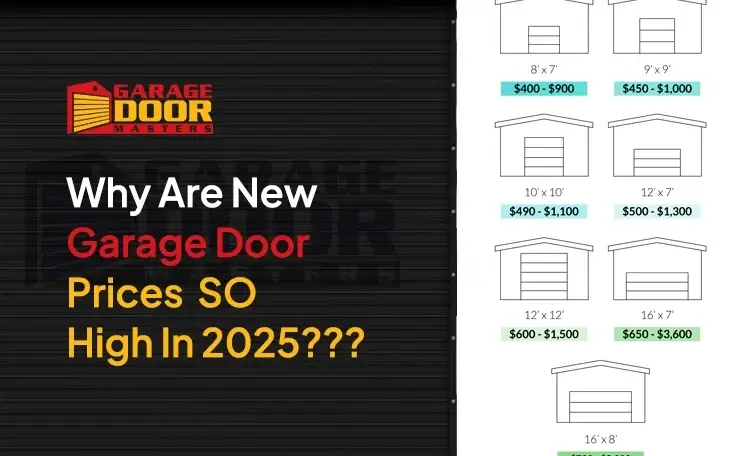
You’re probably looking at new garage door prices and wondering what happened. We get it. The numbers feel wild compared to just a few years back. Here’s the thing, though. There are real reasons why these new garage door prices have jumped so dramatically. We’re talking about tariffs, material shortages, labor issues, and market factors you might not know about. Let’s break down exactly what’s going on so you understand where your money goes when you invest in a door today. What Are New Garage Door Prices Looking Like Right Now? The average single-car new garage door is priced between $735 and $2,743, with most people paying around $1,400 to $1,700. Double-car doors can be priced significantly more, ranging from $1,013 to $3,674. That’s just for standard models, nothing fancy. Custom or high-end installations easily reach $6,000 or more. The material you pick makes a huge difference too. Steel doors typically are priced at $800 to $2,500, while wood runs $1,500 to $5,000. Installation adds another $200 to $700 on top. When you add everything together, most homeowners spend between $2,000 and $3,500 for a complete job. These numbers represent a major increase from previous years. So why did this happen? The Real Reasons Behind Rising New Garage Door Prices Multiple factors hit the industry all at once when it comes to new garage door prices. Some started during the pandemic and never fully recovered. Others appeared more recently and made everything worse. Let’s look at what’s actually driving these increases. Material Prices Have Skyrocketed New garage door Steel and lumber prices jumped 40% and 35% respectively over recent years. Steel and aluminum account for 40-60% of manufacturing expenses, so when raw materials spike, manufacturers have no choice but to pass those prices along. Polyurethane, insulation, and hardware also became harder to source, creating additional pressure on final pricing. Transportation prices went up too. Diesel fuel remained stubbornly expensive even as gas prices dropped, keeping shipping fees elevated. Every component travels multiple times before reaching your home. Those fuel prices add up fast and affect the final number you see on your estimate. Labor Shortages Are Pushing Prices Higher The average new garage door technician in Illinois now earns $66,405 annually, ranging from $49,614 to $73,435. Professional installers charge $24.83 per hour on average, ranging from $17.42 to $33.53. When demand exceeds available workers, wages naturally rise to attract qualified people. These increased labor expenses show up in every installation quote. Finding skilled technicians remains challenging industry-wide. The pandemic created workforce gaps that companies still struggle to fill. Training new people takes time and money. Meanwhile, existing crews work overtime trying to keep up with demand. How Tariffs Are Affecting New Garage Door Prices The March 2025 tariffs imposed 25% on imports from Canada and Mexico and 10% on Chinese goods, including steel and aluminum. Within two weeks, consumer prices rose 6-20% as manufacturers like LiftMaster increased rates 25% and Clopay hiked prices 6-10%. These weren’t small adjustments to new garage door prices. By April 2025, all major manufacturers implemented another 6% increase within a two-week window. The timing was remarkably synchronized across the industry. These tariff impacts hit hard because steel forms the backbone of most residential doors. When import duties jump this high, there’s simply no way to absorb the price entirely. Supply Chain Problems Still Causing Headaches One builder reported waiting 20 weeks for a door – as long as building an entire house used to take. Pandemic-related factory shutdowns, labor shortages, transportation issues, and shipping delays continue complicating matters. Parts remain difficult to obtain consistently. Limited availability forces buyers to wait longer or pay premium new garage door prices for faster service. Some manufacturers prioritize larger orders, leaving individual homeowners waiting weeks or months. This scarcity naturally drives up what people will pay to skip the line. The supply situation improved somewhat from pandemic peaks but hasn’t returned to normal yet. Regional Differences in Pricing Where you live seriously impacts what you pay. Montgomery, Alabama, typically sees lower new garage door prices than New York or California. Local building codes affect available options, too. Areas with higher living prices or greater demand show increased labor and material expenses. Weather factors into the equation as well. Hurricane zones require reinforced doors meeting specific wind ratings. These specialty requirements add hundreds to the base new garage door price. Urban markets with lots of competition might offer better deals than rural areas with fewer installers. Here are the main regional factors: Local labor rates and availability Building code requirements Climate and weather conditions Market competition levels Distance from distribution centers What You Can Actually Expect to Pay Let’s get specific about real numbers. A basic single-car steel door without insulation a new garage door is priced at $735 to $1,200. Add insulation, and you’re looking at $400 to $2,500. Smart openers with app control run $200 to $1,300 beyond basic models. Removing your old door adds $50 to $200. Hardware upgrades cost another $100 to $500. Windows increase the total by $600 to $2,500 depending on how many you want. Most people end up spending more than initial estimates suggest once they see all the options. Smart Ways to Handle Today’s Market Don’t panic about these numbers. You can still make smart decisions even with elevated new garage door prices. First, get at least three quotes from different companies. Comparing helps you spot fair pricing versus inflated estimates. Consider prioritizing function over fancy features if budget matters. Basic doors work perfectly fine and last just as long as premium models. Steel and aluminum remain the least expensive materials while still offering good durability. Skip custom colors, decorative hardware, and extra windows unless they really matter to you. Timing matters too. Off-season installations sometimes come with discounts when installers have more availability. Ask about financing options if needed. Many companies offer payment plans that spread costs over time. Just make sure you work with licensed, insured professionals regardless of..