

Garage Door Insulation Benefits: Save Energy and Improve Comfort
March 17, 2026
- By
- Garage Door Masters
- Garage Door Experts
Garage-door insulation can improve comfort in and around an attached garage, but performance depends on the complete assembly rather than a headline R-value alone. Panel construction, perimeter seals, glazing, air leakage, sun exposure, and the thermal connection between the garage and living space all matter. Added insulation must also be compatible with the door’s design and safe operating weight; an unbalanced or overloaded door can strain the opener and hardware. Garage Door Masters helps San Antonio homeowners compare manufacturer-approved retrofit options with complete insulated-door replacement, confirm compatibility, and plan the work without overstating guaranteed energy savings. Learn more about garage door services in San Antonio.
How Experts Improve Garage Door Efficiency the Right Way
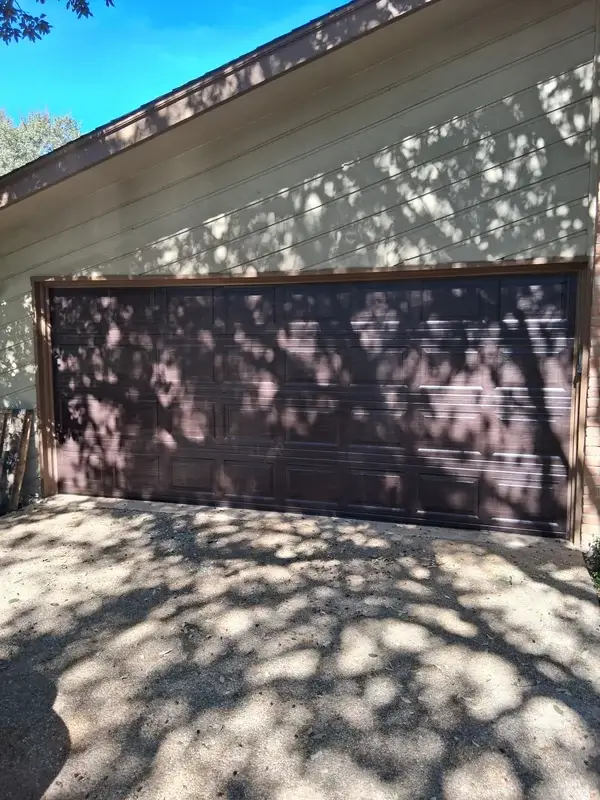
In every successful insulation project, local expertise plays the most important role in achieving lasting performance and energy efficiency. Local contractors understand the specific weather patterns, humidity levels, and building codes that influence how insulation performs over time. For example, in South Texas, garage doors are constantly exposed to high heat and occasional coastal moisture, which means insulation materials must be selected for both thermal resistance and moisture control. Knowledge of regional construction standards helps ensure the right R-value range and prevents premature wear caused by expansion and contraction cycles unique to the local climate. Our local team performs a full site inspection before recommending any product or method. Key steps include:
- Assessing door construction types – whether steel, aluminum, or composite – to match the proper insulation strategy.
- Choosing from trusted materials such as polystyrene or polyurethane foam, designed for local temperature ranges and energy goals.
- Checking balance and spring tension after installation to maintain door safety and smooth operation in hot, dry environments.
- Installing perimeter seals tailored for regional dust and wind conditions to prevent air leakage and maintain comfort.
- Applying safety and performance tests that meet both national and local manufacturer protocols.

Keep Thermal Protection Working Year-Round
Insulation performance depends on the complete door assembly and the way the garage connects to the home. Inspect the panel skins, joints, glazing, perimeter seals, bottom seal, and approved insulation system for damage, gaps, moisture, or separation. Follow the exact manufacturer instructions for cleaning, finish care, and owner maintenance. Added weight can change door balance and hardware requirements, so a retrofit kit must be approved for the specific door and evaluated before installation. Professional garage-door maintenance should address the door’s condition, seals, balance, counterbalance system, opener compatibility, and any required safety testing. Compare expected thermal performance, maintenance, installed weight, and applicable warranty terms without promising a fixed energy saving.
Ready to Improve Your Garage’s Comfort and Efficiency?
If your garage becomes too hot in summer or too cold in winter, proper insulation is the key to restoring comfort and saving money. Garage Door Masters specializes in identifying insulation weaknesses and implementing customized improvements that fit your home’s unique structure. Our technicians handle everything – from evaluating your current setup and selecting high quality materials to ensuring precise sealing and mechanical balance – providing you with enhanced energy efficiency, quieter operation, and better overall performance. Every upgrade we perform adds measurable value and long term durability. Don’t wait for another season of discomfort or wasted energy. Contact Garage Door Masters today to schedule your professional assessment and experience a more efficient, comfortable garage right away.

FAQs
How does garage door insulation save energy?
Insulated garage doors are designed to minimize heat transfer through both the door panels and the small gaps that often exist around the frame. By reducing this exchange of heat, the garage stays closer in temperature to the rest of the home, which helps decrease the workload on your heating and cooling system. According to the U.S. Department of Energy, even modest improvements in air sealing and insulation can result in measurable energy savings throughout the year. In homes with attached garages, insulation becomes even more important because it prevents unwanted heat from seeping into nearby rooms and disrupting overall temperature balance. Beyond the efficiency benefits, insulation makes the garage a more comfortable and practical environment, especially if it doubles as a workshop, laundry space, or storage area that benefits from consistent temperature control.
What materials work best for insulating garage doors?
The most common materials used for door insulation are polystyrene and polyurethane foam inserts, which are typically engineered for use with steel panel doors. Polyurethane insulation has a higher density and provides superior R-values, meaning it retains heat more effectively and contributes to improved energy efficiency. This material is commonly applied in three-layer steel construction, where its rigidity and adhesion properties create a consistent thermal barrier. Polystyrene, on the other hand, is a cost-effective alternative that delivers adequate insulation in moderate climates while remaining lightweight and easy to install. For wooden or composite doors, builders often use custom foam inserts or rigid insulation boards, carefully fitted behind each panel to maintain an even surface. The primary goal is to select insulation that meets manufacturer specifications and complies with DASMA standards for safety, balance, and long-term performance. Professional installers verify that weight distribution and spring tension remain properly calibrated after installation or retrofit, ensuring the door operates smoothly and that insulation benefits are fully realized. Maintaining proper alignment, seal integrity, and hardware adjustment is essential to extend the lifespan of the door and preserve its energy-saving capabilities.
How much does garage door insulation typically cost?
Garage-door insulation pricing depends on whether the project uses a manufacturer-approved retrofit kit, compatible replacement sections, or a complete insulated door. Door size and construction, insulation type and R-value, added weight, section condition, weather seals, labor, access, freight, and any required spring or opener correction all affect the scope. Compatibility and safe operating weight must be confirmed before materials are ordered. Request a written, project-specific estimate that identifies the product, expected thermal performance, added weight, included labor, exclusions, and warranty terms.
Can I insulate my garage door myself, or should I hire a professional?
Some manufacturer-approved insulation kits are designed for owner installation, but compatibility must be confirmed before adding weight. Follow the door and kit manufacturers’ instructions exactly; do not alter springs, cables, drums, tracks, structural hardware, or opener force settings. If the door is unbalanced, damaged, or requires panel, spring, electrical, or operator work, use an experienced, insured garage-door professional. After any insulation change, the complete system should be inspected and its safety-reversal functions tested under the manufacturer’s procedure.
How often should I maintain my insulated garage door?
A well-insulated door requires consistent inspection and maintenance to ensure it continues performing at peak efficiency. Ideally, inspect the door at least once a year, preferably during major seasonal transitions when temperature shifts can affect materials. Examine weather seals, hinges, rollers, and panel seams closely for any cracking, warping, or signs of moisture and air leakage. Clean the insulation panels gently with a damp cloth to remove dust or debris, then check for sagging, loose sections, or areas that appear detached from the frame. Apply a high-quality silicone-based lubricant to hinges, bearings, and rollers to minimize friction and protect metal parts from rust or corrosion. Schedule professional maintenance every 12 to 18 months so a technician can check spring balance, track alignment, and opener calibration. Following this maintenance plan preserves insulation performance, operational safety, and manufacturer warranty coverage.
What problems can occur if I skip insulating my garage door?
Without proper insulation, garage doors can quickly become one of the biggest sources of energy loss in a home. During the winter, cold air easily passes through thin or uninsulated metal panels, making the space uncomfortable and increasing the demand on heating systems. In the summer, radiant heat from the sun can build up inside, raising indoor temperatures and forcing cooling systems to work harder. This constant exchange of heat and cold not only leads to uneven indoor air quality but also increases energy costs throughout the year. Moisture is another issue, as temperature differences can cause condensation that promotes rust, corrosion, or mold growth. For attached garages, poor insulation can allow these problems to spread into the main living areas. Over time, repeated expansion and contraction from temperature changes can stress metal components, weaken weather seals, and reduce the overall lifespan of the garage door.
What should I look for when hiring a garage door professional?
Look for an established company that is licensed and insured, has experience with the specific door, opener, and proposed insulation system, and provides a written scope identifying products, R-values, added weight, labor, exclusions, and warranty terms. Ask how compatibility and door balance will be verified and how the photo eyes and automatic-reversal functions will be tested after the work. Review genuine recent customer feedback and confirm who will handle permits or manufacturer documentation when applicable. Avoid vague proposals, pressure tactics, undocumented claims, and anyone suggesting spring, cable, or safety-system shortcuts.
Is garage door insulation an urgent upgrade?
Insulation is not typically considered an emergency service, yet postponing it for too long can cause your energy costs to rise every month. The longer a garage remains under-insulated, the more conditioned air escapes the space, forcing your heating or cooling system to work harder. Urgency increases when your garage feels much hotter or colder than other parts of your home, or if you notice condensation forming on surfaces, rust developing on metal components, or chilly drafts around interior walls. These issues are signs that energy loss is occurring constantly. Scheduling a professional inspection as soon as possible helps protect your garage door system, maintain balanced operation, and extend the lifespan of opener components. If the door moves roughly, feels heavier than normal, or fails to open smoothly after any adjustments, stop using it right away and contact a qualified technician for safe correction.