

Commercial Garage Door Installation Cost in San Antonio: Complete Pricing Breakdown
April 2, 2026
- By
- Garage Door Masters
- Commercial Garage Door Specialists
Commercial garage-door installation cost in San Antonio depends on the opening, door construction, duty cycle, wind and fire requirements when applicable, access, electrical needs, safety equipment, and installation scope. Garage Door Masters has spent years helping local businesses plan and budget commercial installations. A dependable proposal starts with an on-site assessment and a written scope rather than a generic price assumption. For facility-specific product and installation planning, review our commercial garage door repair San Antonio service.
What a Proper Commercial Installation Must Include
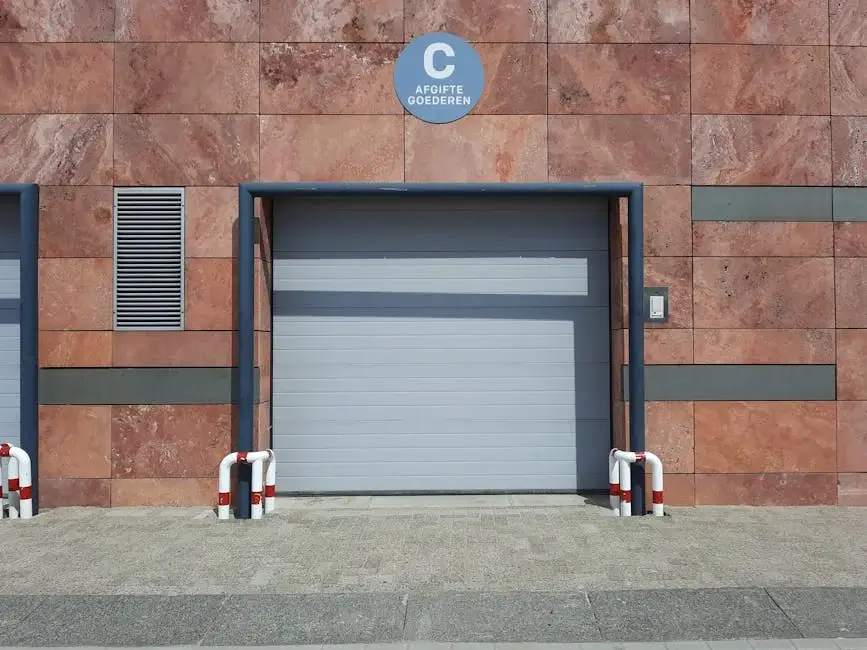
A commercial-door installation should be designed around the selected product, opening, supporting structure, duty cycle, operator and controls, safety devices, access, and applicable project requirements.
- The installer should verify manufacturer-approved tracks, hardware, and counterbalance.
- The installer should verify anchoring, clearances, and electrical needs.
- The installer should verify monitored entrapment protection, wind or fire documentation when applicable, and the facility’s operating procedures.
- Cycle ratings, track thickness, mounting methods, and device locations are equipment- and project-specific; they should not be represented by one universal number.
- The written proposal should identify the exact assembly and ratings, included structural or electrical work, controls, testing, documentation, exclusions, and applicable warranty terms.
After installation, trained personnel should complete the manufacturer-required operational and safety checks before turnover.
What Drives Commercial Garage Door Installation Cost in San Antonio
Commercial door categories carry different specifications and installation requirements:
- Sectional steel doors: confirm size, gauge, insulation, tracks, wind-load rating, cycle requirements, and operator compatibility.
- Rolling steel doors: confirm slat profile, guides, hood, mounting structure, usage cycle, controls, and required safety devices.
- High-cycle or specialty systems: document duty cycle, speed, access controls, monitored entrapment protection, and service requirements.
- Listed fire-door assemblies: coordinate the complete approved assembly, release equipment, testing, inspection, and authority-having-jurisdiction requirements.
Schedule a Professional Site Evaluation
If you’re budgeting for a commercial project, accurate specifications make the difference between a smooth inspection and costly delays. We evaluate structural openings, confirm wind load requirements, review operational needs, and provide detailed written proposals tailored to your facility. Our team works with property managers, contractors, and business owners across San Antonio to deliver compliant, durable installations built for daily use. Let’s review your building and create a clear cost plan that aligns with your timeline and operational demands.
FAQs
What affects Commercial Garage Door Installation Cost in San Antonio the most?
Door size and wind load rating typically have the biggest impact. A 10’x10’ light-duty door costs far less than a 14’x16’ wind-rated insulated system designed for warehouse use. Material type – non-insulated steel versus 2” polyurethane insulated panels – also changes pricing significantly. Operator selection, such as jackshaft versus heavy-duty hoist systems, adds to the total. Structural conditions matter as well; reinforced masonry or steel jambs simplify installation, while wood framing or deteriorated headers increase labor. In San Antonio, wind-load compliance under the International Building Code often determines whether a standard door is acceptable or a reinforced model is required, which directly affects cost.
Do commercial doors require permits in San Antonio?
Many commercial garage door installations require permits, especially when structural modifications, electrical work, or wind-load-rated assemblies are involved. The City of San Antonio enforces the International Building Code (IBC), which includes requirements for labeled wind-rated components and proper anchoring methods. If a project involves a new operator circuit, electrical permits may also apply. Skipping permits can delay occupancy or fail inspection, forcing rework. We recommend confirming requirements before ordering materials because inspectors may request manufacturer documentation, product approvals, and visible labeling on the door assembly.
How long does installation take and what does it cost on average?
Commercial door installation pricing and scheduling depend on the opening size, door type and construction, insulation, wind-load rating, cycle requirements, operator and controls, monitored safety devices, structural anchoring, electrical work, access equipment, permitting, removal, and operating-site constraints. A prepared service-bay opening has a different scope from a large rolling, high-cycle, fire-rated, or structurally modified opening. An on-site evaluation is required before ordering. The written proposal should identify the exact assembly, performance ratings, included hardware and controls, installation scope, testing, documentation, exclusions, and warranty terms.
Can a contractor install a commercial garage door without a specialist?
A general contractor may coordinate the project, but commercial garage doors involve high-tension springs, precision track alignment, structural anchoring, electrical coordination, and operator calibration. Improper work can cause door failure or serious injury. Use an experienced, insured commercial-door professional who follows the selected manufacturer’s instructions, provides the required product documentation, and completes functional and safety testing before turnover.
What maintenance helps protect the investment?
Use a written maintenance program based on the door, operator, accessories, duty cycle, environment, manufacturer instructions, applicable safety standards, and any authority-having-jurisdiction requirements. Facility personnel can perform only the visual checks, housekeeping, and functional tests assigned to them in the manuals and site safety plan. Lubricate only the specified points with the specified product; do not generically grease guides, tracks, springs, brakes, or release components. Have an experienced commercial-door professional inspect balance, high-tension components, anchors, controls, monitored safety devices, and operating forces, and document deficiencies and corrective work. Listed fire-door assemblies also require their prescribed inspection, testing, and recordkeeping.
What commercial garage door issues are common in San Antonio?
Heat and sudden weather shifts in San Antonio can accelerate wear on seals and insulated panels. High temperatures expand metal components, sometimes affecting track alignment and spring tension. Facilities near industrial areas often experience dust buildup that interferes with rollers and photo-eyes. Wind-rated doors are especially important in certain zones, and missing wind-rating or product-approval documentation can delay permitting or inspection. Regular cleaning, proper lubrication, and confirming wind-load compliance during installation reduce long-term issues specific to local conditions.
What should we look for when hiring a commercial door installer?
Look for proof of insurance, experience with commercial-grade systems, and familiarity with International Building Code requirements. The installer should provide wind-load documentation, cycle ratings for springs, and operator specifications matched to door weight. Ask how they verify balance and what safety testing they perform before turnover. Detailed written proposals outlining materials, gauges, insulation type, and hardware thickness indicate professionalism. Vague quotes without product specifications often lead to change orders and higher final costs.
What are signs we should schedule an evaluation soon?
Stop operating a commercial door that is crooked, unstable, unusually heavy, off track, supported by damaged cables or springs, or moving unpredictably. Isolate the opening under the facility’s safety procedure and keep people, vehicles, and equipment clear. Do not reset, release, lift, clamp, or adjust the door. Arrange trained commercial-door service; the urgency and repair plan depend on whether the opening can be safely isolated and secured.