

Smart Garage Door Opener Installation – Upgrade Your Home Security
March 23, 2026
- By
- Garage Door Masters
- Garage Door Experts
Installing a smart garage-door opener involves more than replacing the motor. The opener must be compatible with the door’s size, weight, balance, headroom, power supply, safety sensors, and chosen smart-home features. Travel limits, force settings, photo eyes, automatic reversal, Wi-Fi, app access, and account security all need to be configured and tested according to the manufacturer’s instructions. Garage Door Masters helps San Antonio homeowners select compatible equipment and complete the mechanical, electrical, safety, and connectivity setup. Visit our garage door service and repair guide for related system-care information. Smart technology should improve security and convenience without compromising safe door operation. For compatible equipment, setup, and safety testing, review our garage door opener installation San Antonio service.
Installation Standards, Tools, and Calibration Techniques
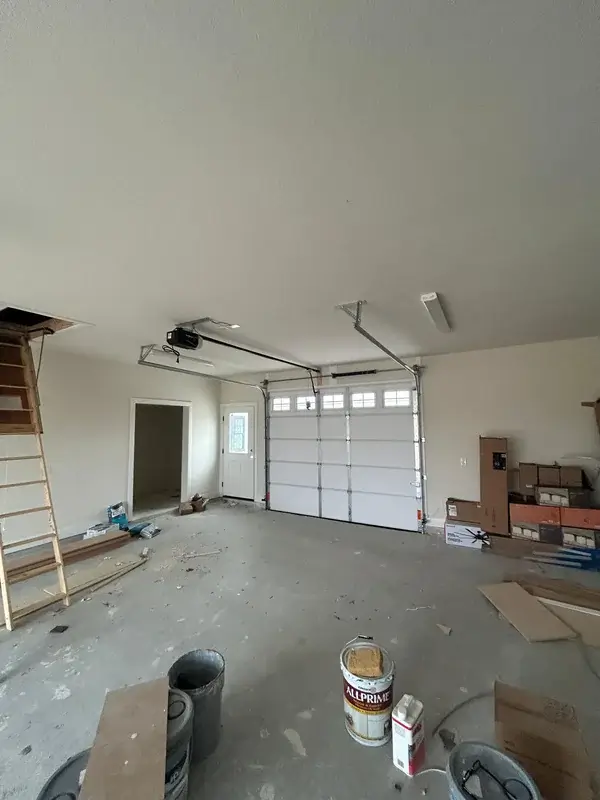
A smart-opener installation begins with the door, not the app. Verify door size, weight, balance, travel, spring-system condition, headroom, mounting structure, rail or wall-mount requirements, and available power before selecting equipment. Then confirm compatible photo eyes, automatic reversal, battery backup, lighting, remotes, keypad, Wi-Fi requirements, account ownership, notifications, and smart-home integration. Installation should follow the exact manufacturer instructions and applicable project requirements, with secure structural mounting, protected wiring, model-specific travel and force setup, safety testing, documented equipment, and an owner demonstration. Connected features add convenience, but they do not correct a heavy, damaged, or unbalanced door.
Timeframes, Budget, and When to Call a Professional
A smart-opener project should begin with compatibility and safety, not a product feature list. The proposal should address:
- Door size, weight, balance, travel, and spring-system condition
- Ceiling height, mounting method, rail length, headroom, and power supply
- Photo eyes, automatic reversal, battery backup, lighting, and access controls
- Wi-Fi signal, app ownership, account security, notifications, and smart-home compatibility
Need an Expert Check on Your Smart Opener Setup?
If a smart opener is unreliable, noisy, losing connection, reversing unexpectedly, or reporting the wrong door status, the cause may be mechanical, electrical, safety-related, or network-related. Garage Door Masters can inspect door balance and travel, opener mounting, photo eyes, controls, power, connectivity, app access, and automatic reversal, then explain the findings and provide a written repair or replacement scope. Contact us to schedule an assessment.
FAQs
Can I install a smart garage door opener myself?
Smart garage-door opener installation requires correct structural mounting, compatible electrical service, precise travel and force programming, photo-eye alignment, safety-reversal testing, and secure network setup. Professional installation helps ensure proper configuration, supports safe operation, and can protect applicable warranty coverage when the product requirements are followed. Use a strong unique password, multifactor authentication when available, and only the access permissions your household needs.
What features should I look for in a smart garage door opener?
A dependable smart garage door opener should provide a solid combination of security, reliability, and user-friendly convenience. When evaluating options, pay attention to features such as rolling-code encryption, which changes the access code after every use to prevent hacking attempts. Integrated battery backup is another critical feature, allowing continued operation during power outages. Adjustable travel speed settings help fine-tune door movement, while mobile notifications keep you informed if the door is left open or closed unexpectedly. Modern openers often integrate with popular smart home ecosystems such as Google Home, Amazon Alexa, or Apple HomeKit, allowing voice control and automation. Consider the drive type as well: belt drives operate more quietly and are ideal for garages near living spaces, while chain drives offer durability for heavier doors. Always verify UL 325 safety compliance, check compatibility with your existing setup, and consult a professional installer for reliable performance and long-term efficiency.
How much does smart garage door opener installation cost?
Smart garage-door opener installation pricing depends on the selected model, door size and condition, balance, ceiling height, mounting and rail requirements, available power, battery backup, accessories, network setup, smart-home integration, and any structural or electrical correction needed for safe operation. A like-for-like replacement in a prepared garage has a different scope from a wall-mount, high-lift, or first-time installation. Request a written proposal after compatibility has been verified; it should identify the opener and accessories, labor, setup, safety testing, exclusions, and warranty terms.
Is it safe to do a DIY smart opener installation?
A smart-opener installation can be unsafe when it involves line-voltage power, overhead mounting, a heavy moving door, and configuration of required entrapment-protection devices. Opener installation should not require an owner to adjust springs, cables, drums, bottom brackets, or the counterbalance system; if the door is heavy, uneven, damaged, or unbalanced, stop and have that condition corrected separately. Follow the exact opener and door manufacturers’ instructions. The completed system must be tested for travel, force, photo-eye response, automatic reversal, wall and remote controls, battery functions, and app/account security. Use an experienced, insured garage-door professional when the work exceeds the owner procedures in the manuals.
How often should I service my smart garage door opener?
Follow the maintenance and testing schedule for the exact opener and door models. Owner-level care generally includes keeping the photo-eye lenses clean, observing travel for changes, testing automatic reversal exactly as the manual directs, reviewing remotes and app access, and installing approved firmware or app updates. Do not apply generic grease to a chain, screw, rail, or spring, and do not tighten mounting or structural hardware unless the manufacturer specifically assigns that procedure to the owner. Schedule professional service for grinding, vibration, slow or uneven travel, unreliable reversal, loose mounting, damaged wiring, or repeated connectivity faults.
Why won’t my smart garage door opener connect to Wi-Fi?
Follow the exact opener and app troubleshooting instructions. Confirm power, service status, supported Wi-Fi band and security mode, signal strength at the opener, app permissions, account ownership, and current firmware before changing network settings. Do not disable router security or open ports based on generic advice. Reboot or reset equipment only when the manufacturer’s procedure explains the effect on remotes, access credentials, schedules, and integrations. Contact product support or a qualified installer if connection problems continue.
What should I check before hiring an installer?
Choose an insured garage-door company that evaluates the door before selecting an opener and provides a written specification. The scope should identify the opener, rail or mounting hardware, controls, battery backup, electrical or structural work, app setup, safety testing, exclusions, and warranty terms. Ask how the installer will verify door balance, photo eyes, automatic reversal, travel, force, manual controls, remotes, account ownership, and secure handoff. Do not rely on unsupported certification claims or a feature list without documented compatibility.
When should I schedule a professional inspection?
Schedule inspection when the opener hesitates, reverses unpredictably, loses door status, vibrates, grinds, shows damaged wiring or loose mounting, or when the door becomes heavy, uneven, crooked, or unreliable. Stop operating a damaged or unstable door and keep people and vehicles clear. Service intervals and owner tests should follow the exact door and opener manuals; no universal annual visit guarantees efficiency, compatibility, security, or longer service life.