
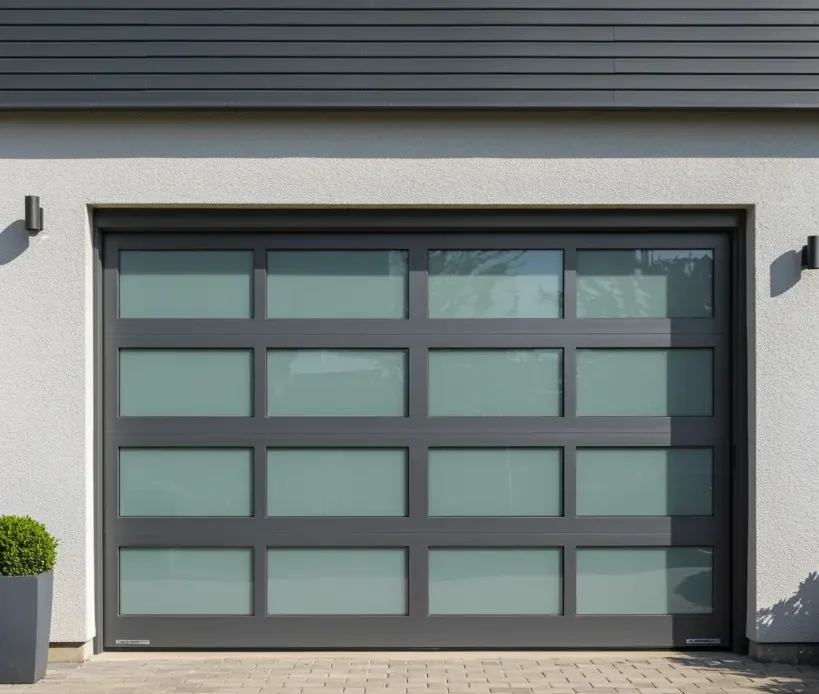
Looking to upgrade your garage with something that turns heads? A bifold garage door might be precisely what you need. These sleek panels fold upward and outward, creating a wide-open entrance that traditional doors cannot match. I have installed dozens of these systems over the years. Every time, homeowners are amazed at the transformation. Whether you want more usable space or a modern look, this style delivers both. Let me walk you through everything you need to know about making this wise investment.
What Is a Bifold Garage Door and How Does It Work?
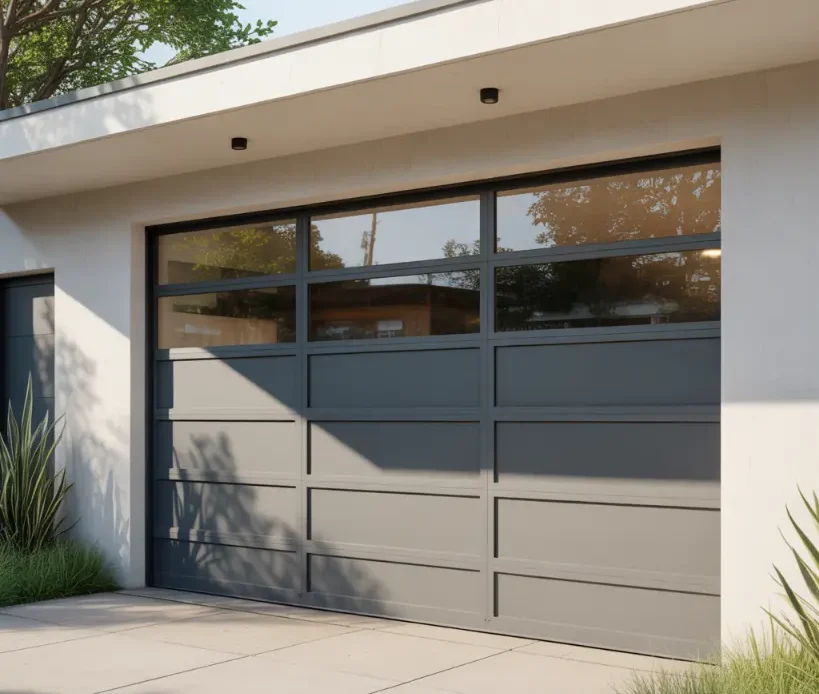
Think of it like a giant accordion for your garage opening. A bifold garage door splits into two or more panels that fold together as they lift. The panels hinge at specific points and swing upward toward the ceiling. Most systems use a counterbalance mechanism that makes lifting surprisingly easy.
I remember my first time seeing one in action. The smooth, quiet operation impressed me right away. Unlike roll-up doors, which require ceiling track space, these fold compactly against the header. This leaves your ceiling completely free. You can hang storage, install lights, or keep the area open. The mechanism is straightforward but incredibly effective for daily use.
Why Choose Bifold Garage Doors for Your Home
Homeowners pick this style for many reasons. First, a bifold garage door creates an indoor-outdoor living experience like nothing else. Open it fully, and your garage connects seamlessly to the driveway or patio. This works great for parties, workshops, or just enjoying nice weather.
Second, the curb appeal is unmatched. These doors look stunning on modern and contemporary homes. They also complement rustic and traditional styles surprisingly well. I have worked with clients who transformed dated garages into showpieces. The neighbors always take notice. Plus, many buyers see them as a premium feature that adds real value.
Space-Saving Benefits of Vertical Bifold Garage Doors
Here is where things get really practical. Vertical bifold garage doors swing outward and up. This means you do not lose any interior ceiling space to tracks. I have installed these in garages where every inch mattered.
Car lifts, tall shelving, and overhead storage are once again possible. The door panels stack neatly at the top when open. Some designs even allow partial opening for ventilation. This flexibility makes a bifold garage door perfect for workshops and studios. You control exactly how much access you need at any moment.
Popular Garage Door Designs and Design Options
The customization possibilities will excite you. You can choose from aluminum, steel, glass, wood, or composite materials. Each offers different benefits for insulation, weight, and appearance.
Here are some popular configurations I recommend:
- Full glass panels for maximum natural light
- Aluminum frames with frosted glass for privacy
- Wood-clad exteriors for a warm, natural aesthetic
- Steel cores with decorative overlays for durability
- Mixed materials combining glass and solid panels
Window placement, panel width, and hardware finishes let you create something unique. A bifold garage door becomes a true design statement. I always tell clients to think about how the door complements their home exterior.
Bi-Folding Garage Doors vs Traditional Barn Doors
Both styles have their fans, but they serve different purposes. Barn doors swing outward on hinges, requiring clearance space outside the garage. Bi-folding garage doors lift, making them ideal for tighter spaces.
Barn doors give you that classic farmhouse look. However, they cannot match the modern flexibility of bi-fold systems. I have replaced several barn door setups with bifold options. Clients appreciated not losing driveway space when the door opened. A bifold garage door also handles wind and weather better since it tucks up securely.
Residential Bifold Garage Door Installation Made Simple
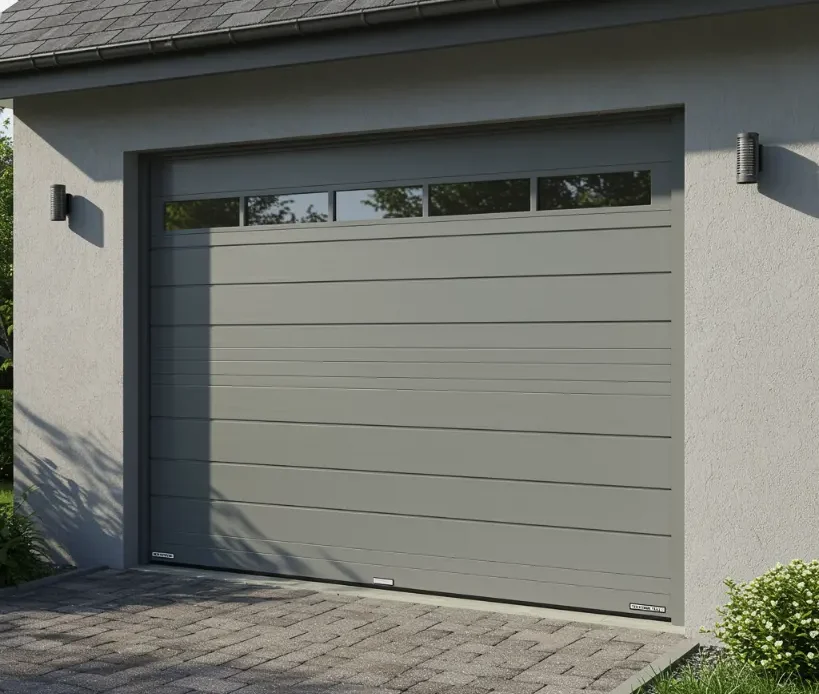
Getting a bifold garage door installed is not as complicated as you might think. The process starts with accurately measuring your opening. Frame modifications are sometimes necessary, but good installers handle this smoothly.
Most residential projects take one to two days. The header and side jambs need proper reinforcement. Then the track system and counterbalance get installed. Finally, the panels are attached, and adjustments are made. I have completed many of these installations. Proper preparation makes everything go faster. Your installer should walk you through each step beforehand.
Why Professional Installation Matters
Please do not attempt this as a weekend project. A bifold garage door system involves heavy panels and precise engineering. The counterbalance must be perfectly calibrated. Incorrect installation creates safety hazards and premature wear.
Professional installers bring the right tools and experience. We know how to handle unexpected issues, such as uneven floors or out-of-square openings. Warranties often require professional installation, too. Spending more upfront protects your investment for years. I have seen DIY attempts go wrong, and repairs always cost more than doing it right from the start.
Solutions for Commercial and Residential Properties
A bifold garage door works beautifully in many settings. Restaurants use them to open dining areas to patios. Breweries install them for that industrial-chic vibe. Fire stations and airplane hangars rely on large-scale versions.
For homes, the applications keep growing. Pool houses, workshops, and detached studios benefit greatly. Even main living spaces use bifold systems to connect with outdoor areas. I have worked on projects ranging from compact single-car garages to massive commercial openings. The technology scales impressively. Each bifold garage door is engineered for its specific application.
Making the Right Door Selection for Your Garage
Choosing the right system comes down to your priorities. Consider your climate first. Glass-heavy designs work great in mild areas but need better insulation elsewhere. Think about how often you open and close the door each day.
Budget matters too, of course. A bifold garage door costs more upfront than a standard garage door. However, the durability and functionality often justify the investment. Get quotes from several installers and compare specifications carefully. Ask about warranty coverage and maintenance requirements. A bifold garage door should serve you well for decades with proper care. Take your time with this decision, and you will love the results.
Our Experts Are Here To Help
Get a Free Quote
Frequently Asked Questions
Q: How much does a bifold garage door typically cost compared to traditional doors?
A: Expect to pay between $4,000 and $15,000 for most residential systems. Traditional sectional doors range from $800 to $3,000. The price difference reflects better materials, engineering, and the unique functionality you get. Custom sizes, premium materials, and glass options increase costs. However, many homeowners find the investment worthwhile for the dramatic improvement in appearance and usability.
Q: Can I automate my bifold garage door with a remote opener?
A: Absolutely. Most modern systems include motorized options with remote controls. You can integrate them with smart home systems, too. The automation handles the heavy lifting smoothly and safely. Some models offer smartphone apps for remote control. I recommend motorized systems for doors you use frequently.
Q: How do bifold garage doors perform in extreme weather conditions?
A: They handle weather quite well when properly installed and maintained. Quality seals keep rain and drafts out. Insulated panel options work great in cold climates. For high-wind areas, look for systems rated for your local building codes. The folding mechanism actually resists wind pressure better than some other styles since panels support each other.
Q: What maintenance does a bifold garage door require?
A: Maintenance is relatively simple. Lubricate hinges and moving parts twice yearly. Clean tracks and remove debris regularly. Inspect weatherstripping and replace it when worn. Check the counterbalance system annually for proper tension. Most homeowners handle basic maintenance themselves. Professional tune-ups every few years keep everything running smoothly.
Q: How long does installation take for a typical residential project?
A: Most installations are complete within one to two days. Simple replacements in existing openings go faster. Projects requiring frame modifications or structural work take longer. Your installer should provide a timeline after assessing your specific situation. Weather and access issues can affect scheduling, too.
Q: Are bifold garage doors energy efficient?
A: Dark colors absorb more heat, which can affect insulated doors over time. However, modern doors handle this better than older models. If you love a dark shade, choose one with good insulation. Also consider your door’s sun exposure. A north-facing garage can handle dark colors better than one facing direct afternoon sun.