Year: 2025

8 ft x 8 ft Garage Door: What you need to know

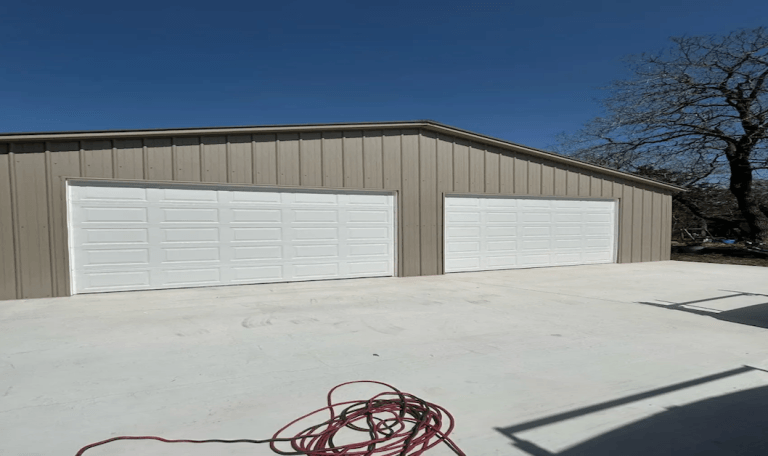
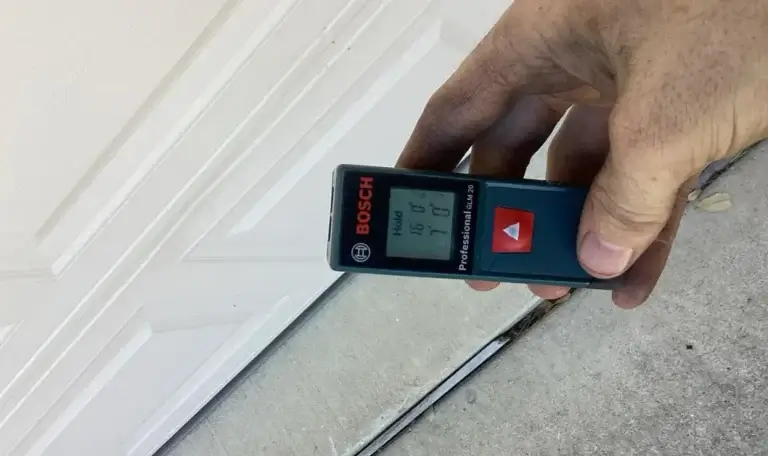
So you’re looking at an 8 ft garage door for your home. Let me tell you what I’ve learned after years of helping homeowners pick the right size. These compact options work great for smaller spaces or single-car setups. The 8 ft garage door actually offers more flexibility than you might think. Whether you need something for a shed, workshop, or actual vehicle storage, this size hits that sweet spot between functionality and space-saving design. Understanding 8 ft x 8 ft Garage Door Size When we talk about an 8 ft garage door, we’re discussing a pretty specific solution. These dimensions work perfectly for golf cart storage, ATVs, or smaller vehicles. I’ve installed dozens of these over the years, and homeowners love them for utility buildings too. The actual opening needs about 8.5 feet of width to accommodate the frame properly. Height clearance stays similar, with most installations needing just a few extra inches. What surprises people is how this size maximizes usable space while keeping costs reasonable. Think of it like finding the perfect fit for your favorite jacket. Too big wastes money and space. Too small doesn’t serve its purpose. The 8 ft garage door sits right in that comfort zone for specific needs. Available Model Range and Features You’ve got plenty of choices with this size. Steel models start around $500 and go up from there. Aluminum options weigh less, making them easier on your opener system. Wood brings that classic look but needs more maintenance. Most manufacturers offer windows, decorative hardware, and color options too. I always tell clients to consider their home’s style first. A modern home might look great with aluminum and glass panels. Traditional homes often suit raised panel designs better Available Model Range and Features Standard single-car doors measure 8 to 9 feet wide. Double-car versions span 15 to 16 feet. Anything outside these dimensions costs more. Custom sizes can add 20-30% to your total. Style choices range from traditional raised-panel to modern glass-and-aluminum designs. Carriage-house styles are trending but cost more. Windows, decorative hardware, and special finishes all increase garage door prices. Smart features like Wi-Fi connectivity add convenience but also expense. Installation Service and R-Value Considerations Here’s where things get interesting with your 8 ft garage door project. Professional installation typically runs between $200-400, depending on your area. The R-value, which measures insulation effectiveness, becomes crucial if you’re heating or cooling that space. Non-insulated models work fine for basic storage. But if you’re using it as a workshop, you’ll want at least R-6 insulation. Some homeowners go up to R-16 for maximum efficiency. The price difference isn’t huge, maybe $200-300 more. Installation takes about 2-4 hours for experienced pros. They’ll check your: Opening measurements and framing Spring tension requirements Track alignment specifications Weather seal placement Safety sensor positioning High Performance Product Collection Premium 8 ft garage door options really shine when you need extra durability. Wind-rated models handle coastal conditions beautifully. Some manufacturers offer lifetime warranties on their high-end steel products. Smart technology integration has changed the game recently. WiFi-enabled openers let you control everything from your phone. Battery backup systems keep things running during power outages. These features add maybe 20-30% to your total cost but deliver serious convenience. Getting Your Savings Quote Getting accurate pricing for your 8 ft garage door starts with measuring correctly. Take width and height measurements at three different points. Use the smallest measurement to avoid ordering something too big. Most suppliers offer free quotes within 24 hours. Online configurators help you see different styles and calculate costs instantly. Don’t forget to factor in removal of your old unit if needed, usually $50-100. Local dealers often beat big box store prices, especially during slow seasons. Spring and fall typically bring the best deals. Ask about contractor discounts if you’re working with a builder. Many places offer 10-15% off for multiple units too. Your perfect 8 ft garage door solution depends on your specific needs and budget. Take time to compare options and don’t rush the decision. Our Experts Are Here To Help Get a Free Quote Common Questions After Reading Can I install an 8 ft garage door myself to save money? While DIY installation is possible, I wouldn’t recommend it. Springs carry serious tension and can cause injury if mishandled. You’ll need specialized tools like winding bars and a level. Professional installation costs $200-400 but includes warranty coverage and proper safety setup. Most homeowners find the peace of mind worth the extra cost versus potential medical bills. How long will my 8 ft garage door typically last? With proper maintenance, expect 15-30 years depending on material choice. Steel models with good paint finish last longest. Aluminum resists rust but dents easier. Wood needs repainting every 3-5 years but can last decades. Springs typically need replacement every 7-10 years. Regular lubrication and tightening hardware every six months adds years to any model’s lifespan. What’s the actual total cost I should budget for? Budget between $800-2000 total for everything. Basic steel runs $500-700, installation adds $200-400, and an opener costs $200-500. Insulated models add $200-300. Windows or decorative hardware might add another $100-200. Don’t forget removal of old equipment at $50-100. Spring for the insulation if you’re using the space regularly, it pays for itself quickly. While DIY installation is possible, I wouldn’t recommend it. Springs carry serious tension and can cause injury if mishandled. You’ll need specialized tools like winding bars and a level. Professional installation costs $200-400 but includes warranty coverage and proper safety setup. Most homeowners find the peace of mind worth the extra cost versus potential medical bills. With proper maintenance, expect 15-30 years depending on material choice. Steel models with good paint finish last longest. Aluminum resists rust but dents easier. Wood needs repainting every 3-5 years but can last decades. Springs typically need replacement every 7-10 years. Regular lubrication and tightening hardware every six months adds years to any model’s lifespan. Budget between $800-2000 total for everything. Basic..

Garage Door Prices 2025: What You should Expect For Garage Door Costs

If you’re thinking about upgrading your garage, you’re probably wondering about garage door prices right now. We get it – it’s a big investment for your home. After helping countless homeowners navigate this decision, we’re breaking down everything you need to know about costs in 2025. Let’s dive into what you can expect to pay. Average Garage Door Prices Replacement Cost in 2025 The average cost to replace a garage door ranges from $750 to $4,000. Most homeowners spend around $1,500 to $2,200 for a standard two-car model. Single-car doors typically cost less, usually between $600 and $1,500. These garage door prices include the door itself but not always installation. What drives these numbers? Material plays a huge role. Steel doors are your most budget-friendly option, starting around $500. Wood doors look gorgeous but can run $2,000 or more. Aluminum sits in the middle, offering good value around $1,000 to $1,500. Remember, these are just starting points for garage door prices in today’s market. Factors Influencing Garage Door Prices Several things affect what you’ll pay for your new garage door. Location matters – prices vary significantly between regions. Urban areas often charge more for both materials and labor. The age of your home impacts costs too, especially if you need structural adjustments. Your old door condition determines prep work needed. Sometimes removing damaged tracks or frames adds unexpected expenses. Weather patterns in your area influence material recommendations, which affects pricing. Door Size and Garage Door Style Option Standard single-car doors measure 8 to 9 feet wide. Double-car versions span 15 to 16 feet. Anything outside these dimensions costs more. Custom sizes can add 20-30% to your total. Style choices range from traditional raised-panel to modern glass-and-aluminum designs. Carriage-house styles are trending but cost more. Windows, decorative hardware, and special finishes all increase garage door prices. Smart features like Wi-Fi connectivity add convenience but also expense. Cost of Insulated Garage Doors vs Basic Garage Options An insulated garage door costs $800 to $3,000 more than non-insulated versions. Why the difference? Insulated models use polyurethane or polystyrene between steel layers. This construction requires more materials and manufacturing complexity. But here’s what many don’t realize – insulated doors offer serious benefits: Lower heating and cooling bills Quieter operation Better durability Reduced street noise Improved temperature control For attached ones, insulation makes sense. The energy efficiency savings often offset higher upfront garage door prices within five years. Climate matters though – mild regions might not see the same payback. Professional Garage Door Installation vs DIY Garage Door Replacement Professional installation adds $200 to $500 to your project. Some companies include it with door purchase. Labor costs depend on complexity and local rates. Most pros finish standard installations in 3-4 hours. DIY saves money but requires skills and tools. You’ll need help – doors are heavy and awkward. Spring tension can be dangerous without proper knowledge. Many manufacturers void warranties for self-installed doors. Consider your comfort level honestly before deciding. Additional Cost Considerations Beyond the door and installation, expect other expenses. An opener runs $200 to $600. Replacement springs cost $150 to $350. New tracks add $125 to $200. Weather stripping costs $50 to $100. Disposal fees for your old door range from $25 to $50. Some installers include this, others don’t. Permits might be required, typically $50 to $200. Emergency repairs after installation occasionally happen, so budget a small cushion. How to Replace Your Garage Door Within Budget Start by getting three quotes from local dealers. Compare not just garage door prices but warranty terms too. Ask about seasonal sales – many companies discount in fall and winter. Consider last year’s models for savings. Time your replacement strategically. Avoid emergency situations where you can’t shop around. Plan ahead when your door shows wear signs. Bundle with neighbors for potential group discounts. Some dealers offer financing with promotional rates. Check if your homeowner’s insurance offers any coverage for door replacement after damage. Making the Right Investment for Your Home Choosing the right door for your home balances cost, aesthetics, and functionality. Quality doors last 15-30 years with proper maintenance. Spending slightly more on new garage door prices for better materials often pays off long-term. Think about curb appeal impact. Realtors say one return 94% of investment at resale. Match your home’s architecture for best results. Consider neighborhood standards too. Going too cheap or too fancy can both hurt value. Focus on durability and timeless style over trendy features. Our Experts Are Here To Help Get a Free Quote Common Questions After Reading What’s the best time of year to buy a new garage door?  Fall and winter typically offer the best deals on garage door prices. Contractors have slower seasons then, so they’re more willing to negotiate. Many manufacturers run year-end clearance sales too. Spring and summer are busiest, meaning less flexibility on pricing and longer wait times for installation. How long do garage doors typically last? With proper maintenance, quality garage doors last 15 to 30 years. Steel and aluminum doors generally reach 20 years. Wood doors need more care but can last decades. Springs typically need replacement every 7-10 years. Regular lubrication and minor adjustments extend lifespan significantly for any door type. Can I finance garage door prices? Yes, many dealers offer financing options for garage door prices purchases. Some provide 0% interest for 6-12 months on approved credit. Home improvement stores often have credit cards with special financing. Personal loans or home equity lines work too. Compare interest rates and terms carefully before committing to any financing option.  Fall and winter typically offer the best deals on garage door prices. Contractors have slower seasons then, so they’re more willing to negotiate. Many manufacturers run year-end clearance sales too. Spring and summer are busiest, meaning less flexibility on pricing and longer wait times for installation. With proper maintenance, quality garage doors last 15 to 30 years. Steel and aluminum doors generally reach 20 years. Wood doors need more care but can last..

Garage Door Sensor Not Working? Here’s Why

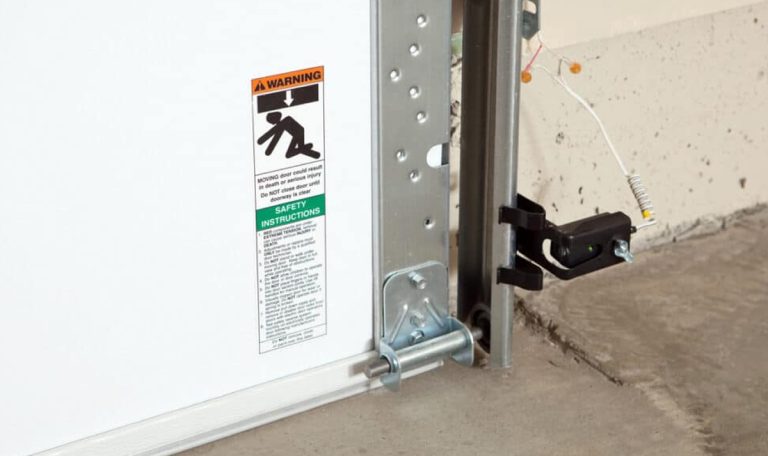
Is your garage door sensor giving you trouble? You’re not alone. These safety devices protect your family and belongings daily. When they stop working properly, it becomes frustrating quickly. Let’s explore why your garage door sensor might fail and how you can fix it yourself. Common Garage Door Sensor Problems Your garage door opener relies on safety sensors to function correctly. These small devices sit near the ground on both sides. They create an invisible beam that detects objects in the path. The most common sensor issue happens when something blocks the beam. Dirt, leaves, or spider webs often cause problems. Sometimes the bracket holding them gets bumped or loosened. This misalignment prevents the sensors from communicating. Weather can also affect how sensors work. Rain, snow, or extreme temperatures cause malfunctions. The wiring connecting them might corrode or break over time. When this happens, you’ll notice the sensor light starts to blink irregularly. How to Troubleshoot Your Safety Sensors Before calling for help, try these simple fixes yourself. First, check if anything blocks the sensor may path between units. Even small objects can prevent your system from working. Next, clean the sensor lenses with a soft cloth. Dust and grime build up over time. This blocks the signal between units. Make sure both sides are completely clean. Benefits of Quality Overhead Doors When you invest in quality products, you’re choosing longevity. Premium overhead systems feature better materials, stronger components, and superior construction techniques. This means fewer repairs and replacements over time. Our selection includes products from manufacturers known for their excellent craftsmanship. These companies use galvanized hardware, commercial-grade springs, and precision engineering to ensure each unit performs reliably for years. A reputable garage door supplier like us only partners with the best manufacturers in the industry. Check the Photo Eye and Sensor Beam The photo eye sensor needs proper alignment to function. Look for indicator lights on each unit. A solid light means good alignment. If lights blink red or stay off, adjustment is needed. Gently adjust each unit until lights stay solid. The photo eye must point directly at its partner. Sometimes loosening and retightening the mounting helps. Test by trying to close the garage door several times. When to Contact a Garage Door Repair Professional Some problems require professional expertise. Here are signs you need expert help: The red sensor continues blinking after alignment attempts Damaged or frayed wiring is visible Door contacts appear burnt or corroded Your Genie garage door sensors don’t respond to adjustments Multiple sensor problems occur simultaneously Professional technicians understand complex sensor beam issues. They have specialized tools for testing circuits. Genie garage door openers manufactured recently need specific diagnostic equipment. Don’t risk injury trying advanced repairs yourself. Smart Garage Control Solutions Modern technology offers better monitoring options. A smart garage hub connects to your existing system. These devices alert you to problems instantly. You can check status from anywhere using your phone. Upgrading might include garage door sensor replacement with newer models. Today’s units resist weather damage better. They also self-diagnose problems before complete failure occurs. Consider adding backup sensors for extra safety. Some systems include cameras for visual confirmation. This helps when you can’t close the door remotely. The investment pays off through prevented accidents and convenience. Our Experts Are Here To Help Get a Free Quote FAQ Why does my sensor keep blinking red even after cleaning? blinking red light usually indicates misalignment or electrical issues. Check if the mounting brackets are secure first. If that doesn’t work, inspect the wiring for damage. Sometimes direct sunlight interferes with older sensors. Installing sun shields or relocating slightly might help. Persistent problems often mean the unit needs replacement. Can I bypass the safety sensors temporarily? While technically possible, bypassing sensors is dangerous and often illegal. These devices prevent serious injuries and property damage. Instead, try manual operation using the emergency release cord. This lets you open and close manually while troubleshooting. Always restore sensor function before returning to automatic operation for everyone’s safety. How often should I maintain my garage door sensors? Perform basic maintenance every three months for optimal performance. Clean lenses monthly in dusty environments. Test alignment by placing objects in the path regularly. Annual professional inspections catch problems early. Replace batteries in wireless models blinking red light usually indicates misalignment or electrical issues. Check if the mounting brackets are secure first. If that doesn’t work, inspect the wiring for damage. Sometimes direct sunlight interferes with older sensors. Installing sun shields or relocating slightly might help. Persistent problems often mean the unit needs replacement. While technically possible, bypassing sensors is dangerous and often illegal. These devices prevent serious injuries and property damage. Instead, try manual operation using the emergency release cord. This lets you open and close manually while troubleshooting. Always restore sensor function before returning to automatic operation for everyone’s safety. Perform basic maintenance every three months for optimal performance. Clean lenses monthly in dusty environments. Test alignment by placing objects in the path regularly. Annual professional inspections catch problems early. Replace batteries in wireless models

Residential & Commercial Garage Door Supplier | Overhead Doors

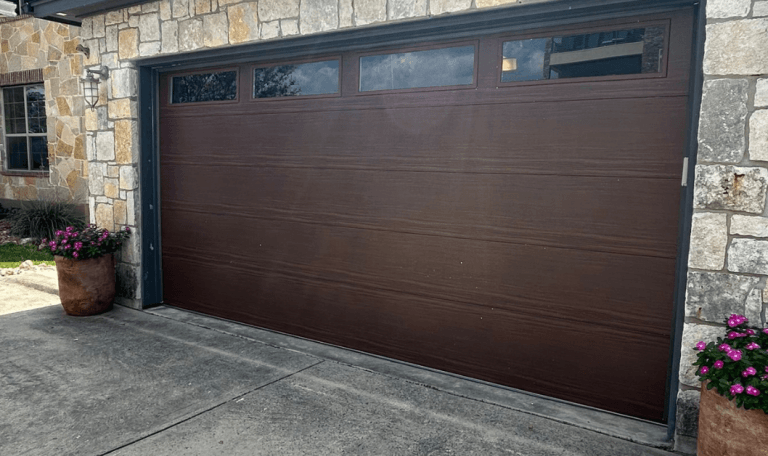
Looking for that perfect entrance solution for your home or business? We understand how important choosing the right overhead system is for both function and style. As a trusted garage door supplier in the industry, we’ve helped countless property owners find exactly what they need. Our selection ranges from classic residential designs to heavy-duty commercial options that can handle daily operations. Finding the Perfect Door for Your Home: Residential Overhead Door Options Your home’s entrance makes a statement about your style and personality. When selecting residential overhead options, consider what matters most to you. Do you want something that matches your home’s architecture? Or perhaps energy efficiency is your priority? We offer a variety of materials including steel, wood, and aluminum. Each has its own benefits. Steel provides security and low maintenance, while wood gives that classic, warm appeal. Aluminum works great if you want something lightweight that won’t rust. As an experienced garage door supplier, our team can help you navigate these choices based on your climate, budget, and style preferences. The right selection will serve your family for years while boosting your property’s value. Commercial Door Solutions for Loading Dock and Warehouse Visibility Businesses have unique needs when it comes to entrance systems. Your loading dock or warehouse requires solutions that balance security, durability, and operational efficiency. Commercial overhead options need to withstand frequent use while protecting your inventory. We supply rolling steel models ideal for high-security areas and sectional panels that maximize space efficiency. Our commercial-grade products feature: Heavy-duty hardware built for thousands of cycles Insulation options for climate control Custom sizes to fit unique openings Automated systems for convenience Safety features that protect both people and products The right commercial system improves workflow and reduces energy costs. As your local garage door supplier, our experts can recommend options based on your specific industry requirements. Benefits of Quality Overhead Doors When you invest in quality products, you’re choosing longevity. Premium overhead systems feature better materials, stronger components, and superior construction techniques. This means fewer repairs and replacements over time. Our selection includes products from manufacturers known for their excellent craftsmanship. These companies use galvanized hardware, commercial-grade springs, and precision engineering to ensure each unit performs reliably for years. A reputable garage door supplier like us only partners with the best manufacturers in the industry. Enhancing Your House Look and Curb Appeal Your home’s exterior makes a lasting impression. The right entrance enhances your property’s appearance and can account for up to 30% of your home’s visible exterior. That’s significant! Modern designs come in various styles, colors, and finishes to complement your architecture. Whether you prefer carriage house designs, contemporary glass panels, or traditional raised panels, we have options that will transform your home’s appearance. This upgrade isn’t just about looks – it’s an investment that increases property value. A professional garage door supplier can show you options that match your home perfectly. Your Trusted Residential & Commercial Garage Door Supplier: The Finishing Touch Finding the right entrance solution shouldn’t be stressful. As your local garage door supplier, we take pride in offering personalized service alongside quality products. We’ve built our reputation by understanding each customer’s unique needs. Our team stays current with industry trends and technology advancements. This means you get the most innovative solutions without the hassle of extensive research. From initial consultation to final installation, we ensure a smooth experience. Visit our showroom to see and touch different options in person. We can walk you through the selection process and answer any questions about materials, operation, or maintenance. Let us help you find that perfect finishing touch for your property! Choose a garage door supplier who cares about getting it right the first time. Our Experts Are Here To Help Get a Free Quote FAQ How much does a new overhead door typically cost for a residential property? Residential overhead door pricing varies based on material, size, and features. Basic models start around $800-1,500, while premium designs with insulation and smart features range from $2,000-5,000. As your garage door supplier, we offer financing options to make quality products affordable for every budget. What’s the typical installation timeline once I choose a door? Once you select your door, installation usually takes 1-3 days depending on complexity. Our garage door supplier team handles everything—removal of old units, new installation, and testing. We schedule at your convenience and ensure minimal disruption to your home or business operations. Do you offer maintenance services for the doors you supply? Absolutely! As a full-service garage door supplier, we provide comprehensive maintenance packages to extend your door’s lifespan. Our technicians can perform annual inspections, lubrication, spring adjustments, and safety checks. Regular maintenance prevents costly repairs and ensures smooth operation year-round. Residential overhead door pricing varies based on material, size, and features. Basic models start around $800-1,500, while premium designs with insulation and smart features range from $2,000-5,000. As your garage door supplier, we offer financing options to make quality products affordable for every budget. Once you select your door, installation usually takes 1-3 days depending on complexity. Our garage door supplier team handles everything—removal of old units, new installation, and testing. We schedule at your convenience and ensure minimal disruption to your home or business operations. Absolutely! As a full-service garage door supplier, we provide comprehensive maintenance packages to extend your door’s lifespan. Our technicians can perform annual inspections, lubrication, spring adjustments, and safety checks. Regular maintenance prevents costly repairs and ensures smooth operation year-round.

Garage Door Specialist: Repair & Service for Your Garage Door

When your overhead entry system starts acting up, you need someone who really knows what they’re doing. We’ve been helping homeowners fix their broken systems for years, and trust me, it makes a huge difference when you call the right people. A qualified garage door specialist can save you time, money, and a lot of frustration. Let’s talk about why working with professionals matters. Professional Garage Door Repair Services | Why You Need A Specialist Here’s the thing – these systems are way more complicated than most people think. Springs, cables, tracks, and openers all work together in a precise way. When something goes wrong, a garage door specialist knows exactly how to diagnose the problem quickly. We’ve seen too many DIY attempts that ended up costing more than the original fix would have. Every garage door specialist on our team has years of hands-on experience with these complex mechanisms. Repairs for All Door Types Whether you have a traditional swing-out style, sectional panels, or a roll-up commercial unit, we handle them all. Different materials and mechanisms require specific knowledge and tools. Here’s what we commonly work on: Steel sectional systems Wood carriage house styles Aluminum commercial units Insulated residential models Why Choose Our Garage Door Specialist Experience really counts in this business. We’ve worked on thousands of systems over the years, so we’ve pretty much seen every problem that can happen. Our team stays up-to-date with the latest technology and safety standards. Plus, we always show up on time with the right parts and tools. Many competitors cut corners, but we believe in doing the job right the first time. When you need a reliable garage door specialist, we’re here to help. Why A Specialist Is Best To Install New Garage Door Products Installing a new system isn’t just about hanging panels and connecting an opener. The springs need perfect tension, tracks must be perfectly aligned, and safety features require precise calibration. A garage door specialist understands these critical details. We also know local building codes and can pull permits if needed. Honestly, we’ve fixed way too many botched installations from other companies. That’s why hiring the right garage door specialist from the start saves you headaches later. Schedule Your Free Estimate for Service Getting started is easy. We offer completely free estimates with no strings attached. During our visit, we’ll thoroughly inspect your system and explain exactly what needs attention. You’ll get a detailed written quote before any work begins. We pride ourselves on transparent pricing – no surprise charges or hidden fees. Most minor adjustments can be completed the same day. Choose Garage Door Specialists Today! Don’t let a malfunctioning system disrupt your daily routine. Whether you need emergency fixes, routine maintenance, or a complete replacement, our team is ready to help. We stand behind our work with solid warranties and excellent customer support. Call us today and discover why so many neighbors trust us with their most important home systems. Our Experts Are Here To Help Get a Free Quote FAQ How much do garage door repairs typically cost? Most basic repairs like spring replacements or track adjustments run between $150-$400. More complex issues involving the opener or full panel replacement can range from $400-$800. We always provide free estimates upfront, so you’ll know exactly what to expect before any work begins. How long do most garage door repairs take to complete? Simple fixes like lubricating tracks or adjusting springs usually take 30-60 minutes. More involved repairs like replacing broken cables or fixing opener issues typically require 1-3 hours. Emergency calls often get same-day service, and we always work efficiently to minimize disruption to your schedule. What are warning signs that I shouldn’t attempt DIY repairs? Never touch the springs – they’re under extreme tension and can cause serious injury. If you hear grinding noises, see frayed cables, or notice the system is off-track, call us immediately. These issues require professional tools and expertise to fix safely and correctly. Most basic repairs like spring replacements or track adjustments run between $150-$400. More complex issues involving the opener or full panel replacement can range from $400-$800. We always provide free estimates upfront, so you’ll know exactly what to expect before any work begins. Simple fixes like lubricating tracks or adjusting springs usually take 30-60 minutes. More involved repairs like replacing broken cables or fixing opener issues typically require 1-3 hours. Emergency calls often get same-day service, and we always work efficiently to minimize disruption to your schedule. Never touch the springs – they’re under extreme tension and can cause serious injury. If you hear grinding noises, see frayed cables, or notice the system is off-track, call us immediately. These issues require professional tools and expertise to fix safely and correctly.

Patio Garage Doors

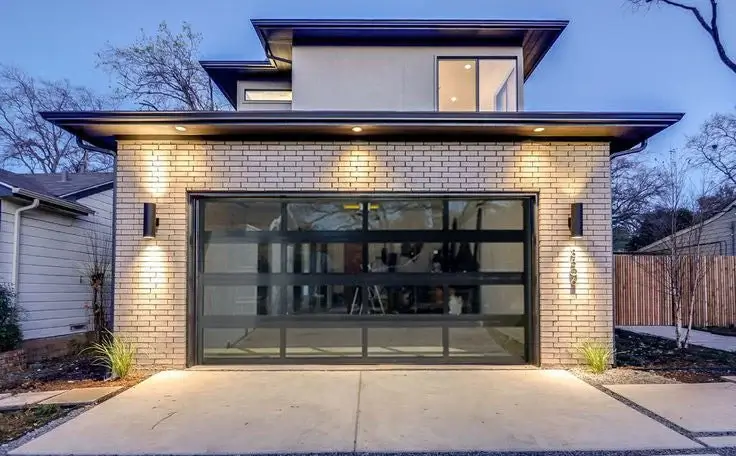
Ready to give your home a stunning upgrade? Interior overhead glass patio garage doors are taking the design world by storm. These versatile door options blend indoor and outdoor spaces beautifully. Plus, they’re more affordable than you might think. Whether you’re updating a patio area or creating a modern patio garage door look, this trend is worth exploring. Let’s dive into why homeowners everywhere are choosing these eye-catching installations. Why Glass Door Systems Beat Traditional Patio Doors Gone are the days when a simple french door was your only choice. Today’s glass panels offer something special. They create an abundance of natural light that transforms any room. Unlike a standard sliding glass patio setup, these overhead doors open completely. This gives you true indoor and outdoor living without barriers. Think about your typical screen door or entry door. They work fine, but they limit your view. With tempered glass installations, you get safety and style together. The aluminum frame construction means less maintenance too. Many homeowners love how these doors can also serve multiple purposes. You might use one for your pool house or even as a door for my home daycare space. Modern Garage Door Styles and Glass Options When choosing your door panels, you’ll find amazing variety. Clear insulated glass remains popular for good reason. It maximizes natural light while maintaining energy efficiency. But frosted glass works great for privacy. Some folks prefer tinted glass to reduce glare. Consider these popular types of glass: Temper safety glass for high-traffic areas Double pane designs for better insulation Mid-century modern patterns for unique style Tint options for sun control Standard glass for budget-friendly projects Your door frame choice matters too. An aluminum patio garage door holds up better than wood outdoors. The door system you pick should match your home’s architecture. A door with a full-view design makes small spaces feel huge. From Windows and Doors to Complete Outdoor Living Spaces Imagine converting your existing patio garage door area into something magical. Many restaurants use glass overhead installations for outdoor dining flexibility. You can create that same restaurant glass feel at home. When the door is closed, you still enjoy gorgeous views. Open it up, and your living space doubles instantly. This works especially well for a patio garage door conversion. Even a 1 car space becomes special with the right design. The cost of installing varies, but it’s often less than traditional renovations. Your garage door dealer can explain different door costs based on your needs. Floor to ceiling windows create drama, but overhead glass does more. It completely erases the boundary between your indoor and outdoor areas. Perfect for that outdoor patio you’ve been dreaming about! Ideas and Inspiration for Every Homeowner Looking to insulate better while keeping style? Modern energy efficient models deliver both. The panes of glass in today’s panel garage doors include special coatings. These help maintain comfortable temperatures year-round. Maybe you wish to replace the entrance entirely. Or perhaps a door was used to open into a cramped space before. Installing glass changes everything. Your huge 2-car garage becomes an entertainment paradise. That unused space transforms into valuable square footage. For traditional patio door framing situations, consider going bigger. Double patio garage door conversions create incredible gathering spaces. The indoor and outdoor spaces flow together seamlessly. You’ll wonder why you waited so long to make this change. Making Your Glass Garage Door Investment Count Smart patio garage doors planning ensures your new installation delivers maximum value. Work with professionals who understand both function and design. They’ll help you use glass effectively throughout your project. Whether updating one room or your entire home, these doors make a statement. Your guests will love the modern appeal. More importantly, you’ll enjoy your spaces differently every single day. Our Experts Are Here To Help Get a Free Quote FAQ How much does a glass option typically cost compared to traditional options?  Prices vary widely based on size and features. A basic one starts around $2,000, while premium models reach $8,000. Installation adds another $500-1,500. Compared to regular options, glass versions cost 20-40% more but offer better aesthetics and functionality. Can glass options handle extreme weather conditions? Modern designs use tempered glass that withstands harsh weather beautifully. Your installer can recommend insulated models for extreme climates. Quality systems include weatherstripping and thermal breaks. They’re engineered to handle wind, rain, and temperature swings just like traditional options. How long does installation take and what preparation is needed? Patio garage doors typically takes 4-6 hours to install. Your existing patio garage door gets removed first. The patio garage door opening needs proper measurements and framing checks. Most patio garage door projects finish in one day. Electrical work for automatic openers might add time, but crews handle everything efficiently.  Prices vary widely based on size and features. A basic one starts around $2,000, while premium models reach $8,000. Installation adds another $500-1,500. Compared to regular options, glass versions cost 20-40% more but offer better aesthetics and functionality. Modern designs use tempered glass that withstands harsh weather beautifully. Your installer can recommend insulated models for extreme climates. Quality systems include weatherstripping and thermal breaks. They’re engineered to handle wind, rain, and temperature swings just like traditional options. Patio garage doors typically takes 4-6 hours to install. Your existing patio garage door gets removed first. The patio garage door opening needs proper measurements and framing checks. Most patio garage door projects finish in one day. Electrical work for automatic openers might add time, but crews handle everything efficiently.

How Garage Door Insulation Has Become Essential In 2025

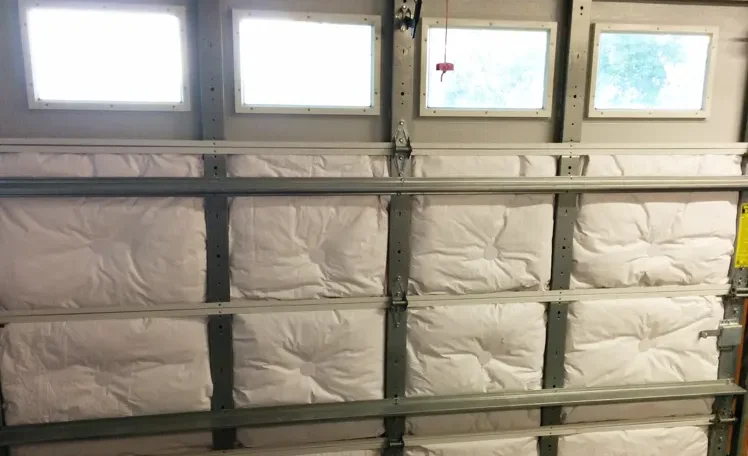
Hey there! Have you noticed how home upgrades are getting smarter every year? Well, in 2025, garage door insulation has taken center stage. It’s become a must-have feature for homeowners who want to save money, boost comfort, and add value to their property all year round. Trust me, this simple upgrade can make a huge difference in your home’s efficiency. What Makes Affordable Garage Doors Worth the Investment When shopping for budget-friendly entry systems, you need to focus on value, not just price. A good quality door that costs a bit more upfront might save you thousands in the long run. The best Affordable Garage Doors offer solid warranties, energy efficiency, and reliable operation. Look for manufacturers who stand behind their products with at least a 5-year warranty. Insulated models might cost slightly more initially but can reduce your energy bills significantly. Plus, they’re typically quieter and more durable than non-insulated alternatives. Remember, the goal is finding that sweet spot between cost and performance. The Evolution of Garage Door Insulation in Modern Homes Remember when we didn’t care about temperature control in our storage spaces? Those days are gone! Modern homes now feature advanced garage door insulation that wasn’t common just five years ago. Climate change has pushed homeowners to find new ways to keep energy costs down. The materials have improved too. What started as basic foam panels has evolved into high-tech solutions that work better than ever. Manufacturers now create products specifically designed for different climates, whether you live in Arizona or Alaska. These advanced materials fit perfectly with smart home systems, allowing you to monitor and control the temperature from your phone. Top Types of Insulation to Add to Your Garage Door in 2025 If you’re looking to upgrade your home this year, several excellent options exist for adding garage door insulation: Reflective barriers with aluminum backing Foam panel kits (both rigid and flexible) Spray-applied materials for custom coverage Fiberglass batting systems with moisture barriers Eco-friendly options made from recycled materials Each type offers different benefits depending on your climate and budget. The good news? Most garage door insulation options are more affordable than ever, with prices dropping as demand increases. You’ll definitely find something that fits your needs and wallet. Comparing Garage Door Insulation Kits for DIY Installation Want to tackle this project yourself? No problem! DIY kits have come a long way in 2025. Most home improvement stores now carry complete garage door insulation systems that include everything you need for installation. These kits typically contain pre-cut panels, adhesive, tape, and clear instructions. The best part? You can usually complete the entire project in a single afternoon. Just make sure to measure correctly before purchasing. Most kits cover standard sizes, but you might need to trim pieces for custom dimensions. This small time investment can lead to years of energy savings. Garage Door Opener Repair vs. Replacement: Making the Smart Choice When your opener acts up, you face a tough decision – fix it or replace it? For units less than 8 years old, repairs often make financial sense. Common issues like remote problems or sensor alignment typically cost under $150 to fix. However, if your opener is older or needs major repairs costing more than half the price of a new one, replacement becomes the smarter option. Today’s new models offer enhanced security features, smartphone compatibility, and quieter operation. Plus, they’re more energy-efficient, potentially lowering your electricity bills over time. Energy Efficiency and Temperature Control Benefits of Insulated Garages Let’s talk savings! Adding garage door insulation can cut your energy bills by up to 20% in some homes. This happens because your heating and cooling systems don’t have to work as hard when that large space isn’t leaking air. But it’s not just about money. A properly insulated area keeps temperatures more stable, which protects your vehicles and anything else you store there. Think about your tools, holiday decorations, and sports equipment – all better protected from extreme heat and cold. Garage door insulation creates a buffer zone that benefits your entire home. Understanding R-Value and Foam Insulation Options When shopping for garage door insulation, you’ll see something called “R-value” mentioned a lot. Simply put, this number tells you how effective the material is at blocking heat transfer. Higher numbers mean better performance. For most homes in average climates, an R-value between 8 and 12 works well. If you live somewhere with extreme temperatures, consider going higher. The material thickness directly impacts this value, so thicker panels typically perform better but cost more. It’s worth investing in quality products for long-term performance. Conclusion: Making the Right Choice When Buying a New Insulated Door Ready to upgrade? Consider both your climate and budget when selecting the right solution for your home. Installation can be a fun weekend project or something you hire a pro to handle – either way, the benefits start immediately. Remember that this home improvement offers one of the best returns on investment among modern upgrades. Not only will you enjoy lower utility bills and a more comfortable space, but you’ll also boost your property value if you decide to sell in the future. Garage door insulation is definitely worth adding to your home improvement list this year Our Experts Are Here To Help Get a Free Quote FAQ How difficult is it to insulate garage doors myself, and how long will it take? Most DIY kits to insulate garage doors are incredibly easy to install. You’ll need basic tools, measuring tape, and about 2-4 hours depending on your door size. The panels typically attach with adhesive strips or clips. Many homeowners complete this project in a single afternoon with great results. What’s the difference between reflective insulation and polystyrene panels? Reflective insulation uses aluminum foil to bounce radiant heat away from your space. It’s thinner but effective in hot climates. Polystyrene panels are thicker foam boards that block heat transfer in both directions. They have higher R-values and work better..

How To Find Affordable Garage Doors

Looking for a new entry system for your home’s car storage area? Let me tell you, finding quality options that won’t break the bank can be tricky. I’ve helped countless homeowners select Affordable Garage Doors that still look amazing and function perfectly. The secret is knowing what features matter most and where you can save without sacrificing quality or safety. Let’s dive into how you can find the perfect balance. What Makes Affordable Garage Doors Worth the Investment When shopping for budget-friendly entry systems, you need to focus on value, not just price. A good quality door that costs a bit more upfront might save you thousands in the long run. The best Affordable Garage Doors offer solid warranties, energy efficiency, and reliable operation. Look for manufacturers who stand behind their products with at least a 5-year warranty. Insulated models might cost slightly more initially but can reduce your energy bills significantly. Plus, they’re typically quieter and more durable than non-insulated alternatives. Remember, the goal is finding that sweet spot between cost and performance. Comparing Residential Garage Door Options for Every Budget The market offers various styles and materials across different price points. Steel remains the most popular choice because it combines strength, low maintenance, and reasonable pricing. Wood presents a classic look but usually costs more and requires regular upkeep. Composite and fiberglass options fall somewhere in the middle, offering good durability with moderate pricing. For those on tight budgets, consider single-layer steel models, which provide basic functionality without fancy features. Affordable Garage Doors with double-layer insulated units work well for mid-range budgets, while premium options include triple-layer construction with maximum insulation and noise reduction. New Garage Door Materials That Balance Cost and Durability Recent innovations have brought exciting materials to the market that won’t drain your wallet. These newer options aim to deliver the perfect mix of longevity and value: Vinyl-coated steel provides excellent rust resistance without premium pricing Recycled composite materials offer eco-friendly durability at mid-range costs Fiberglass-faced doors resist dents and corrosion better than basic steel Hybrid designs combine affordable materials in clever ways to maximize performance Engineered wood alternatives deliver classic looks without maintenance headaches These materials give homeowners more choices than ever when selecting Affordable Garage Doors that balance initial expense against long-term performance and maintenance requirements. Finding Affordable Garage Door Installation Services Near You Getting professional installation doesn’t have to cost a fortune. Start by requesting quotes from at least three local companies to compare pricing. Many installers offer seasonal promotions or discounts for first-time customers. Ask about package deals that include both the product and installation together. Some companies even provide financing options with low monthly payments. When searching for Affordable Garage Doors, don’t forget to check online reviews and ask neighbors for recommendations. A slightly higher-rated installer might charge a bit more but could save you from expensive fixes later if the job gets done right the first time. Garage Door Opener Repair vs. Replacement: Making the Smart Choice When your opener acts up, you face a tough decision – fix it or replace it? For units less than 8 years old, repairs often make financial sense. Common issues like remote problems or sensor alignment typically cost under $150 to fix. However, if your opener is older or needs major repairs costing more than half the price of a new one, replacement becomes the smarter option. Today’s new models offer enhanced security features, smartphone compatibility, and quieter operation. Plus, they’re more energy-efficient, potentially lowering your electricity bills over time. Enhancing Your Curb Appeal with an Affordable Garage Door Services The front-facing entry system for your vehicles makes up a huge portion of your home’s visible exterior. Upgrading this element provides amazing bang for your buck when improving curb appeal. Affordable Garage Doors now come in attractive designs with window inserts and decorative hardware. Consider styles that complement your home’s architecture rather than just picking the cheapest option. Carriage house designs remain popular for traditional homes, while sleek, minimal styles suit modern architecture. Adding just a few decorative elements like handles or hinges can transform a basic model into something that looks much more expensive than it actually is. Our Experts Are Here To Help Get a Free Quote FAQ How much should I expect to pay for a quality garage door?   For a standard single-car garage, expect to pay $700-1,500 for basic steel models, $1,500-3,000 for mid-range insulated options, and $3,000-5,000+ for premium designs. Prices vary based on material, insulation, windows, and hardware. Double-car units typically cost 50-100% more than single-car sizes. How can I tell if my current garage door needs replacement?   Look for these warning signs: visible damage like dents or warping, increased energy bills, excessive noise during operation, safety sensors failing, or if repairs would cost more than 50% of a new door. Most doors last 15-30 years depending on material and maintenance. Annual professional inspections help catch issues early. What maintenance can extend the life of my garage door?   Lubricate moving parts with silicone spray every 3-6 months. Tighten hardware and inspect cables/springs twice yearly. Test safety sensors monthly. Clean tracks with a damp cloth. For wood doors, repaint/reseal annually. Steel doors benefit from washing with mild detergent. These simple steps prevent costly repairs. For a standard single-car garage, expect to pay $700-1,500 for basic steel models, $1,500-3,000 for mid-range insulated options, and $3,000-5,000+ for premium designs. Prices vary based on material, insulation, windows, and hardware. Double-car units typically cost 50-100% more than single-car sizes. Look for these warning signs: visible damage like dents or warping, increased energy bills, excessive noise during operation, safety sensors failing, or if repairs would cost more than 50% of a new door. Most doors last 15-30 years depending on material and maintenance. Annual professional inspections help catch issues early. Lubricate moving parts with silicone spray every 3-6 months. Tighten hardware and inspect cables/springs twice yearly. Test safety sensors monthly. Clean tracks with a damp cloth. For wood..

Benefits of Lubricating Garage Doors | 2025 Edition

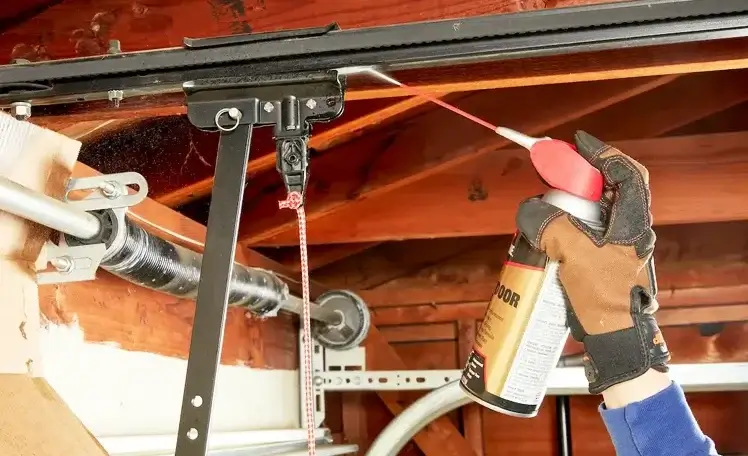
Hey there, homeowners! Did you know that regular maintenance can save you from costly repairs down the road? Lubricating garage doors is one of the simplest yet most effective maintenance tasks you can do. Just like your car needs oil changes, your home’s largest moving part needs proper care too. Let’s dive into why lubricating garage doors makes such a big difference in 2025 and beyond! The Benefits Of Lubricating Garage Doors Explained When you maintain your entry system with proper lubricants, you’ll notice the difference right away. First, that annoying squeaking sound disappears! Nobody wants to wake the whole neighborhood every time they leave for work early in the morning. Beyond the noise reduction, lubricating garage doors reduces friction between moving parts. This means less wear and tear on the mechanisms that open and close your system daily. Lower friction also means the motor doesn’t have to work as hard, potentially reducing your energy bills. Plus, smooth operation means less stress on springs, cables, and rollers – parts that can be expensive to replace. How to Properly Lubricate Your Garage Door Components Not all products work the same for this job. You’ll want to avoid using WD-40 for this task – it’s actually a solvent, not a true lubricant. Instead, pick up a silicone-based or lithium-based product specifically designed for overhead entry systems. Before applying any product, take time to clean the tracks, rollers, and hinges. Remove dirt, debris, and old dried-up product with a clean cloth. The process of lubricating garage doors should always start with proper cleaning. After cleaning, apply a small amount of lubricant to each moving part. Remember, more isn’t better! Too much product can attract dust and create a sticky mess that makes things worse, not better. https://youtube.com/shorts/x6DQYWSvhLo Applying Lubricant to Garage Door Bearings and Moving Parts Focus on these key components when doing your maintenance: Rollers (both the bearings and stems) Hinges between each panel Spring systems (torsion or extension) Locking mechanisms and handles Arm bar where the opener connects Apply just a small amount to each part, then operate the system several times to help distribute the product evenly. Experts recommend lubricating garage doors at least twice a year for optimal performance. Wipe away any excess with a clean rag to prevent drips on your car or floor. This simple process takes about 15 minutes but saves hours of headaches later. When to Clean and Lubricate the Garage Door Tracks Many homeowners ask if they should put lubricant directly on the tracks. The answer is no! Tracks should be kept clean but not slippery. Instead of lubricating tracks, just clean them thoroughly with a damp cloth and mild detergent. Most experts recommend a maintenance schedule of every six months for the entire system. However, if you live in an area with extreme weather conditions or use your door frequently, you might need to do this quarterly. Listen for squeaking sounds or notice if the operation seems slower – these are signs it’s time for some care. The benefits of lubricating garage doors become most apparent during seasonal changes, when temperature fluctuations can affect performance. Extending Your Garage Door’s Lifespan Through Regular Lubrication A well-maintained entry system can last 15-30 years, while neglected ones might need replacement in just 5-7 years. That’s a huge difference in lifespan for just a few minutes of work twice a year! Regular maintenance also helps you spot potential problems before they become serious. While applying lubricant, take time to inspect cables, springs, and mounting hardware for signs of wear. Catching these issues early can prevent dangerous failures and save money on emergency service calls. Plus, a smoothly operating system puts less strain on the opener motor, potentially extending its life too. The process of lubricating garage doors is truly one of the most cost-effective maintenance tasks any homeowner can perform. Our Experts Are Here To Help Get a Free Quote FAQ What is the best thing to lubricate a garage door with? The best garage door lubricant is either silicone spray or white lithium grease. Silicone works great for rollers, hinges, and tracks because it doesn’t attract dirt. For heavier components like springs and bearing plates, lithium grease provides longer-lasting protection. Avoid using WD-40 alone as it’s primarily a cleaner, not a true lubricant. Should I lubricate my garage door chain? Yes, you need to lubricate your garage door opener chain regularly. Apply a small amount of grease specifically designed for chains about twice yearly. This keeps your garage door running smoothly and prevents premature wear. Simply spray or apply directly to the chain, then open and close the door several times to distribute evenly. Is silicone lubricant good for garage doors? Silicone spray is excellent for garage door maintenance! It works perfectly on nylon rollers, hinges, and other moving parts. Unlike heavy oils, silicone doesn’t collect dust or harden in cold weather. Apply it sparingly to the ball bearings and wipe away excess lubricant. For metal-on-metal contact points, consider lithium grease instead. The best garage door lubricant is either silicone spray or white lithium grease. Silicone works great for rollers, hinges, and tracks because it doesn’t attract dirt. For heavier components like springs and bearing plates, lithium grease provides longer-lasting protection. Avoid using WD-40 alone as it’s primarily a cleaner, not a true lubricant. Yes, you need to lubricate your garage door opener chain regularly. Apply a small amount of grease specifically designed for chains about twice yearly. This keeps your garage door running smoothly and prevents premature wear. Simply spray or apply directly to the chain, then open and close the door several times to distribute evenly. Silicone spray is excellent for garage door maintenance! It works perfectly on nylon rollers, hinges, and other moving parts. Unlike heavy oils, silicone doesn’t collect dust or harden in cold weather. Apply it sparingly to the ball bearings and wipe away excess lubricant. For metal-on-metal contact points, consider lithium grease instead.

Commercial Garage Door Opener Repair

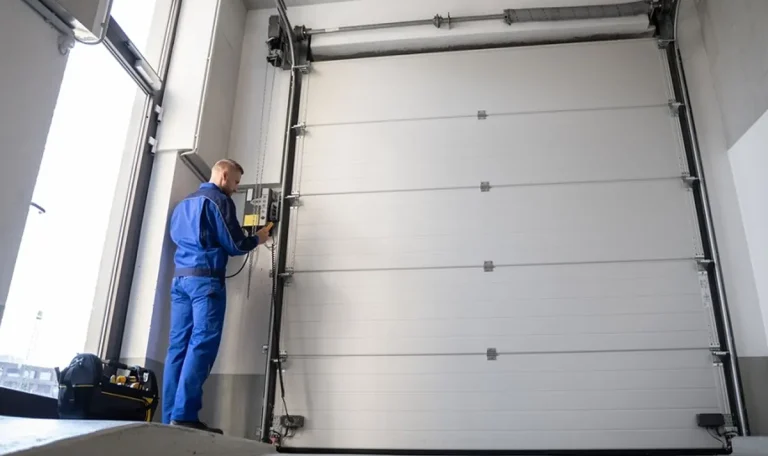
When your business loading dock stops working, trucks pile up outside and money walks out the door. We’ve seen this happen countless times to business owners who thought their overhead system would last forever. Here’s the thing – these heavy-duty systems need attention just like any other equipment. Smart business owners know that commercial garage door opener repair keeps operations running smoothly and prevents costly downtime. Benefits of Professional Commercial Garage Door Opener Repair Services Professional technicians bring years of experience to every job. They know exactly what parts fail first and carry replacements on their trucks. This means faster fixes and less waiting around for your business. We always tell our clients that DIY fixes usually cost more in the long run. These systems are complex and dangerous without proper training. Professional commercial garage door opener repair services include warranties too. That gives you backup protection if something goes wrong after the fix. Keeping Your Business Running with High-Quality Garage Door Opener Solutions Downtime hits your bottom line hard. Every hour your loading dock stays closed costs money and frustrates customers. Quality technicians understand this pressure and work fast to get you back online. Regular maintenance prevents most emergency breakdowns. Here’s what good service includes: Monthly lubrication of all moving parts Safety sensor testing and calibration Spring tension adjustments Motor performance checks Smart businesses schedule commercial garage door opener repair before problems happen. This approach saves thousands compared to emergency service calls. Common Commercial Overhead Door Problems That Require Repair Heavy use wears down these systems faster than residential units. Motor burnout happens when systems work overtime without breaks. We see this especially in busy warehouses and distribution centers. Spring failures stop everything instantly. These components handle enormous weight every day. Weather stripping also deteriorates quickly from constant exposure. Professional commercial garage door opener repair addresses these issues before they cause shutdowns. Finding the Right Commercial Door Service for Your Business Experience matters when choosing a service provider. Look for companies that specialize in your industry type. Warehouse systems differ from retail storefronts, and each needs specific expertise. Response time makes or breaks your operation during emergencies. Ask potential providers about their average response windows. The best companies offer maintenance contracts that include priority service. Commercial garage door opener repair shouldn’t wait when your business depends on it. Why Commercial Garage Door Opener Repair Matters for Business Continuity Your loading dock connects directly to customer satisfaction. When deliveries can’t arrive or products can’t ship, relationships suffer. Professional service prevents these problems and protects your reputation. Emergency repairs cost three times more than scheduled maintenance. We’ve helped hundreds of businesses avoid this expense through preventive care. Regular commercial garage door repair services keeps systems reliable and extends equipment life. This investment pays for itself through reduced downtime and happier customers. Our Experts Are Here To Help Get a Free Quote FAQ What is the difference between residential and commercial garage door openers?   Commercial units are way more powerful than residential ones. They’re built for heavy doors that open dozens of times daily. Residential openers handle lighter doors with less frequent use. Commercial systems also need three-phase electrical power, while home units use standard household current. Plus, commercial models cost significantly more but last longer under heavy use. How to open a commercial garage door?   Most commercial systems use wall-mounted control panels or remote transmitters. You can also open them manually during power outages by pulling the emergency release chain. This disconnects the opener from the door. Then you lift the door by hand. Always make sure the area is clear before opening any commercial overhead door. What are the three types of garage door openers?   Chain drive openers use a metal chain to lift the door. They’re reliable but noisy. Belt drive systems work similarly but use a rubber belt instead. They run much quieter. Direct drive openers have the motor move along the rail with the door. They’re the quietest option with fewer moving parts to maintain. What is the average price of a garage door opener?   Residential openers typically cost $150 to $500 for basic models. Installation adds another $200 to $400. Commercial units start around $800 and can exceed $3,000 for heavy-duty systems. Professional installation for commercial openers ranges from $500 to $1,200 Commercial units are way more powerful than residential ones. They’re built for heavy doors that open dozens of times daily. Residential openers handle lighter doors with less frequent use. Commercial systems also need three-phase electrical power, while home units use standard household current. Plus, commercial models cost significantly more but last longer under heavy use. Most commercial systems use wall-mounted control panels or remote transmitters. You can also open them manually during power outages by pulling the emergency release chain. This disconnects the opener from the door. Then you lift the door by hand. Always make sure the area is clear before opening any commercial overhead door. Chain drive openers use a metal chain to lift the door. They’re reliable but noisy. Belt drive systems work similarly but use a rubber belt instead. They run much quieter. Direct drive openers have the motor move along the rail with the door. They’re the quietest option with fewer moving parts to maintain. Residential openers typically cost $150 to $500 for basic models. Installation adds another $200 to $400. Commercial units start around $800 and can exceed $3,000 for heavy-duty systems. Professional installation for commercial openers ranges from $500 to $1,200

Which Garage Door Parts Break Fastest?

Ever wondered why your system starts acting up just when you need it most? Quality garage door parts can make all the difference in reliability. I’ve seen it happen countless times. One day everything’s working fine, and the next, you’re stuck with a mechanism that won’t budge. Let’s dive into which components typically fail first so you can spot trouble before it leaves you stranded. Most Common Garage Door Parts That Fail First If you’ve owned a home for a while, you know that maintenance is just part of the deal. When it comes to your entry system, some garage door parts simply wear out faster than others. The daily up-and-down motion puts stress on the entire setup. Springs, cables, and rollers take the brunt of this repeated motion. These items experience the most tension each time you press that remote button. Weather conditions play a role too – extreme temperatures cause metal to expand and contract, weakening crucial elements over time. Regular inspections can help you catch failing components early. Listen for unusual noises, watch for jerky movements, or notice if the system seems slower than usual. These are all warning signs that something’s about to give out. Garage Door Springs: The Most Frequent Replacement Need If I had to bet on which garage door parts will fail first, my money’s on the springs. These workhorses handle the heavy lifting, literally counterbalancing hundreds of pounds every time the system opens or closes. That’s a ton of pressure! Most springs last between 7-10 years with normal use. But that timeline shortens if you’re opening and closing frequently or if you live in an area with dramatic temperature swings. When a spring breaks, you’ll definitely know it – they often go with a loud bang that sounds like a firecracker! Never try to replace springs yourself. The tension in these components can cause serious injury. This job absolutely requires professional expertise and specialized tools. Torsion Springs vs. Extension Springs: Lifespan Differences Torsion springs (mounted above the opening) typically last longer than extension springs (those that stretch along the horizontal tracks). On average, torsion systems handle about 15,000-20,000 cycles before failing. Extension varieties usually manage about 10,000 cycles before needing replacement. The difference comes down to how each type handles the tension load. Torsion designs distribute weight more evenly, resulting in less wear over time. Cables, Rollers, and Hinges: Critical Hardware Failure Points After springs, these smaller garage door parts are next in line for replacement: Cables often fray or snap after years of tension Rollers get stuck or worn down from constant movement Hinges can crack or lose their lubrication Brackets may bend or loosen over time Weather seals deteriorate from environmental exposure Many homeowners overlook these “minor” components until something goes seriously wrong. For example, worn rollers might seem like just a noisy nuisance, but they put extra strain on the opener and other mechanisms. Replacing these items before they completely fail can prevent more expensive damage. A loose hinge might seem harmless until it causes the panels to misalign and jam the entire system. When to Replace Parts vs. Call a Professional Garage Door Supplier Some maintenance tasks are definitely DIY-friendly. You can handle: Lubricating moving components with silicone spray Tightening loose hardware with basic tools Cleaning tracks to remove debris Checking and adjusting the safety sensors Replacing the weather seal along the bottom However, certain garage door parts should always be left to pros. Anything involving springs, cables, or the opener’s internal mechanisms requires special training. When in doubt, call an expert. The cost of professional service is far less than hospital bills from DIY accidents or further damage to your home. Plus, suppliers often provide warranties on both components and labor, giving you peace of mind that the job’s done right. Quality garage door parts installed by professionals will last much longer too! Our Experts Are Here To Help Get a Free Quote FAQ What are garage door parts called?   Garage door parts include springs (torsion and extension), cables, rollers, hinges, tracks, panels, brackets, and the opener. There’s also hardware like the weather seal, safety sensors, remote controls, and various pulleys. Most homeowners recognize these basic components during routine maintenance. What is the common problem of a garage door?   The most common garage door problem is broken springs. These hard-working components eventually wear out from constant tension. Other frequent issues include misaligned tracks, worn rollers, frayed cables, and malfunctioning openers. Strange noises usually signal something’s wrong before complete failure happens. What is the bottom part of a garage door called?   The bottom part of a garage door is called the weather seal or bottom seal. This rubber strip attaches to the bottom panel and creates a tight seal against the floor. It keeps out water, drafts, bugs, and debris while helping with insulation and noise reduction. Garage door parts include springs (torsion and extension), cables, rollers, hinges, tracks, panels, brackets, and the opener. There’s also hardware like the weather seal, safety sensors, remote controls, and various pulleys. Most homeowners recognize these basic components during routine maintenance. The most common garage door problem is broken springs. These hard-working components eventually wear out from constant tension. Other frequent issues include misaligned tracks, worn rollers, frayed cables, and malfunctioning openers. Strange noises usually signal something’s wrong before complete failure happens. The bottom part of a garage door is called the weather seal or bottom seal. This rubber strip attaches to the bottom panel and creates a tight seal against the floor. It keeps out water, drafts, bugs, and debris while helping with insulation and noise reduction.

How To Program Garage Door Openers | 2025 Edition

Welcome! Setting up a new remote or keypad for your system can feel like a tricky task. But, it’s actually quite simple. We are here to walk you through the process. Think of us as your friendly guide. We’ll help you get your system working smoothly in no time. With our expert advice, you’ll see how easy it is. Let’s make this task a breeze for you. This guide shows you everything you need to know. Step-By-Step Guide: How to Program Garage Door Openers Getting started is easy. First, you will need a sturdy ladder. This helps you safely reach the motor unit on your ceiling. Make sure someone can hold it for you. Also, have your remote control and keypad ready. Having the user manual for your specific model is a good idea too. It often has helpful tips. A flashlight can be useful if your space is dim. With these items, you’re all set to begin. Finding the Learn Button on Your Liftmaster Garage Door Opener To start the setup, you must find the “Learn” button. On a Liftmaster, this button is usually on the back of the motor unit. You might see it near the antenna wire. It is often a brightly colored square or circle. The color can be yellow, purple, red, or green. The color tells you the radio frequency your unit uses. Once you press it, a light will turn on, showing it’s ready for the next step. Programming Your Keypad and Door Opener Remote Once the learn light is on, you have about 30 seconds. Press the button on your remote that you want to use. Hold it until the light on the motor unit blinks. This confirms the connection. For a keypad, enter your chosen four-digit PIN. Then, press and hold the “Enter” button. The same blinking light will tell you it’s a success. Now you know how to program garage door openers and their accessories. Understanding Rolling Code Systems for Enhanced Security Modern systems use rolling code technology. This is a great security feature. Each time you use your remote, it sends a new code. The old code is never used again. This stops anyone from stealing your code. It’s like having a new password every time you open your entryway. This technology is a key part of what makes our systems so secure and is an important aspect of how to program garage door openers correctly. Troubleshooting Your Garage Door Opener When Programming Fails Sometimes, things don’t go as planned. If the setup isn’t working, check a few things. A common issue is a weak battery in the remote. Also, check for anything blocking the signal. Here are a few simple checks: Make sure the remote’s battery is fresh. Check that there is no debris on the motor’s antenna. Ensure you are within a reasonable distance of the unit. These simple steps often solve the problem. Knowing how to program garage door openers includes these quick fixes. If you still have trouble, we are here to help. Our Experts Are Here To Help Get a Free Quote Final Thoughts: When to Get Professional Door Service You can often handle the setup on your own. But, sometimes you might need a pro. If you’ve tried all the troubleshooting tips and it still won’t work, it’s time to call us. We can figure out the issue quickly and safely. Don’t get frustrated with a stubborn system. Our technicians are always ready to assist. Knowing how to program garage door openers is great, but expert help is even better when you need it. Contact Us