

Essential Garage Door Safety Tips Every Family Should Know
February 9, 2026
- By
- Dustin
- Technician
Garage-door safety depends on the door, opener, safety devices, hardware, and daily habits working together. Blocked, misaligned, damaged, or incorrectly installed photo eyes can prevent expected operation, while worn springs, cables, tracks, or hardware can make the door unstable. Follow the exact door and opener manuals for owner checks, and arrange professional garage-door servicing when operation, sound, alignment, or safety response changes.
Safety Requirements and Owner-Safe Checks
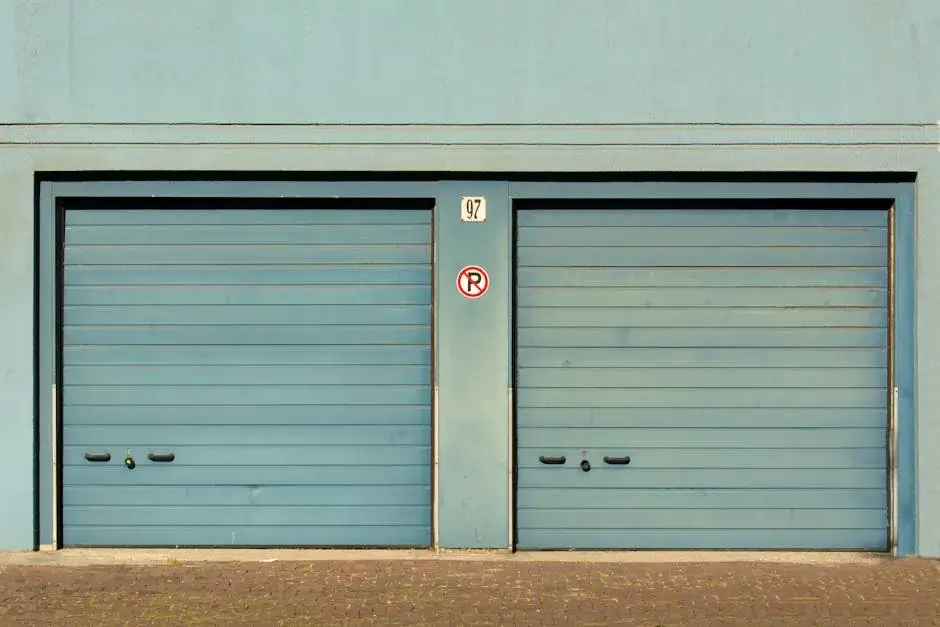
Garage-door safety begins with the exact door and opener manufacturers’ instructions and the requirements that apply to the installed equipment.
- Required entrapment-protection devices must be present, correctly positioned, connected, and functioning; they must never be bypassed or moved to defeat operation.
- The door should also be inspected for damaged sections, broken or worn hardware, cable or spring problems, track damage, and unstable movement. Owners may keep the doorway and accessible photo-eye lenses clean and perform only the safety checks described in their manuals.
- A trained professional should diagnose failed safety functions and handle springs, cables, drums, bottom brackets, tracks, structural fasteners, opener force settings, and electrical components. Final testing should follow the exact manufacturer procedure and be documented with any repair.
For section-specific context, see our garage-door panel repair guide.

How small shortcuts turn into real risks
Most preventable safety problems begin with a shortcut: bypassing photo eyes, using the wrong lubricant, continuing to operate a crooked or damaged door, or attempting to straighten tracks and adjust high-tension components. Avoid these mistakes:
- Do not bypass, relocate, or defeat safety sensors or automatic-reversal features.
- Keep tracks clean and dry; apply lubricant only to owner-serviceable points and only as the manufacturer specifies.
- Do not touch springs, cables, drums, bottom brackets, structural fasteners, or a door that is off track, unusually heavy, or moving unevenly.
- Keep remotes and wall controls away from children and keep the opening clear while the door moves.
Request a Safety-Focused Inspection
If the door’s movement, sound, alignment, or safety response has changed, stop using it when operation is unreliable and arrange an inspection. Garage Door Masters can evaluate the complete door and opener, explain the findings, and provide a written scope for any recommended work. The visit should end with the manufacturer-required operational and safety checks documented for the equipment that was serviced.

FAQs
How often should I test my garage door’s safety features?
Use the testing schedule and procedure in the exact opener manual; do not substitute a generic online method. Perform only the owner test described by the manufacturer, with the doorway clear and the door otherwise operating normally. If the photo eyes, automatic reversal, travel, or stopping behavior does not respond exactly as the manual specifies, stop using the opener and arrange professional service. Do not bypass sensors or increase force to make a failed test pass.
Are garage door springs really that dangerous?
Yes. Springs and the connected cables, drums, bottom brackets, and shafts store or control substantial force. A broken or disturbed component can move without warning and can also leave the door unusually heavy or unstable. Do not adjust, remove, test, or lubricate high-tension hardware. If you see a spring gap, damaged cable, crooked door, or uncontrolled movement, stop using the door, keep clear, and call a trained professional.
What does garage door safety maintenance usually cost and how long does it take?
Inspection time and cost depend on the door and opener, the symptoms, access, testing required, and whether damaged parts or related faults are found. A routine safety evaluation has a different scope from sensor, cable, hardware, opener, or structural repair. Request a written estimate after inspection that identifies the findings, recommended work, parts and labor, exclusions, timing, and applicable warranty terms.
What garage door safety tasks can I do myself?
Owners can perform only the low-risk care assigned by the exact door and opener manuals: keep the doorway and accessible photo-eye lenses clean, replace remote batteries, observe the door during normal travel, and test photo eyes and automatic reversal using the manufacturer’s procedure. A visual check from a safe distance can identify a gap in a spring, frayed cable, damaged hinge, crooked section, or loose component, but do not touch or tighten it. Do not adjust springs, cables, drums, bottom brackets, tracks, structural fasteners, opener force, or safety devices. Stop using a damaged, heavy, uneven, or unreliable door and schedule professional service.
What warning signs tell me my garage door isn’t safe?
Pay attention to new jerking, grinding, banging, delayed reversal, blinking sensor lights, crooked sections, or unusual gaps. Observe the door only from a safe distance while using its normal controls. Do not disconnect the opener, perform a balance test, force the door, or touch springs, cables, drums, tracks, hinges, or bottom brackets. Stop operating the system and arrange professional service if the door binds, drifts, slams, becomes crooked, or moves unevenly.
Why do garage door sensors fail so often?
Photo eyes can be affected by dirt, obstruction, vibration, impact, loose brackets, damaged low-voltage wiring, incompatible parts, direct light, or an opener fault. Owners may keep accessible lenses clean and check for an obvious obstruction as directed by the manual. Do not bypass, relocate, rewire, or defeat the sensors. If indicator lights or closing behavior remain abnormal, stop automatic operation and arrange diagnosis.
What should I look for when hiring a garage door professional?
Choose a licensed and insured company that evaluates the complete door and opener, follows the manufacturers’ instructions, explains the findings in plain language, and provides a written scope. The scope should identify the recommended work, included parts and labor, exclusions, final safety testing, and applicable warranty terms. Avoid anyone who proposes bypassing safety devices or adjusting force without first diagnosing the door and opener.
When is a garage door issue urgent but not an emergency?
Stop using the door if it grinds, scrapes, moves unevenly, reverses unpredictably, becomes crooked or unusually heavy, or shows damaged springs, cables, tracks, sections, or brackets. Keep people, pets, and vehicles clear. Do not pull the emergency release, lift or lower the door, or attempt to clamp or secure it. Arrange professional service and leave the door in its current position.