

Garage Door Won’t Close All the Way? Fix Guide for Safe, Reliable Operation
May 14, 2026
- By
- Garage Door Masters
- Garage Door Specialists
A garage door that will not close completely may have blocked or misaligned photo-eyes, incorrect travel limits, track or roller resistance, damaged weather seals, or a spring, cable, or balance problem. Garage Door Masters has spent years helping homeowners evaluate this issue. Start with low-risk visual checks, and stop operating the door if it is crooked, heavy, damaged, or unstable. If the low-risk checks do not restore reliable operation, our garage door opener repair San Antonio service can diagnose the safety devices, opener, and door together.
What Proper Service Should Include

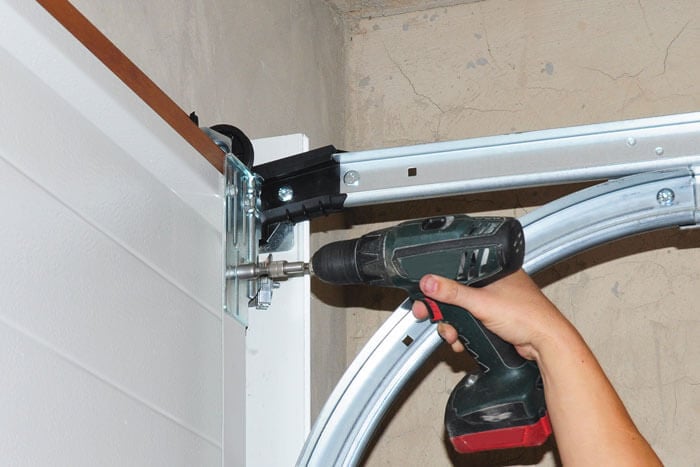
Accurate diagnosis prevents repeat failures and protects the opener from premature wear. We evaluate the mechanical balance and safety systems before changing force or travel settings. A trained technician should secure the door, isolate the opener, inspect the torsion springs, cables, drums, bearings, rollers, hinges, and track alignment, and then evaluate the counterbalance with the correct equipment and procedures. Photo-eye alignment, travel limits, force settings, and automatic-reversal performance should be checked only after mechanical defects are corrected. Increasing close force to overpower resistance can defeat the purpose of the safety system and create an injury risk. Heavier insulated steel doors also require springs matched to the actual door weight and configuration. Professional service should finish with manufacturer-required operational and reversal tests and a clear explanation of any remaining concerns.
What You Can Check - and When to Schedule Service
Homeowners can remove objects from the doorway, clean accessible photo-eye lenses with a soft dry cloth, confirm the sensor indicator lights, and consult the exact opener manual for diagnostic codes. Do not bypass the sensors, increase force to overcome resistance, disconnect the opener on a damaged or open door, or touch tracks, rollers, springs, cables, drums, brackets, or structural hardware.
If the door feels heavy, moves unevenly, leaves a large security gap, or makes grinding, popping, or snapping sounds, stop using it and schedule professional diagnosis. Repair scope depends on the confirmed cause, equipment compatibility, parts availability, and related door condition.
Schedule a Quick Door Safety Check
If your garage door won’t close all the way, the safest next step is a professional evaluation. We inspect balance, springs, sensors, and opener settings to identify the true cause – before minor strain turns into major damage. Our team serves San Antonio homeowners with detailed diagnostics and clear repair options, so you know exactly what’s happening with your system. A short on-site assessment can confirm whether you need a simple adjustment or a more involved mechanical repair. We prioritize safe operation, compliance with safety standards, and long-term reliability. Book a quick expert check and restore smooth, secure closing today.
FAQs
Why does my garage door start to close and then reverse in San Antonio?
When a garage door starts closing and reverses, the opener may be responding to an interrupted photo-eye beam, an obstruction, binding, incorrect travel configuration, a mechanical problem, or abnormal resistance. Start only with low-risk checks assigned by the opener manual: clear the doorway, clean the photo-eye lenses, confirm the sensors have not been bumped, and note indicator lights or error codes. Do not bypass the sensors, increase force, disconnect the opener, or manually lift a damaged, crooked, heavy, or unreliable door. If the cause is not obvious and safely correctable under the manual, stop using the door and schedule professional diagnosis.
Can limit settings alone fix a garage door that won’t close all the way?
Travel-limit settings can correct a setup issue only when the door and opener are otherwise healthy, compatible, balanced, and moving freely. Do not increase force or repeatedly change limits to overcome binding, uneven cables, worn springs, track problems, or a safety reversal. Follow the exact model manual only for owner-authorized setup steps, and record the original setting before any permitted change. If the door is crooked, noisy, heavy, inconsistent, or repeatedly loses its setting, stop and have the mechanical system and opener inspected.
How much does it cost to fix a garage door that won’t close all the way?
The cost of correcting a garage door that will not close depends on the confirmed cause. Photo-eye alignment, travel or force configuration, obstructions, damaged wiring, worn rollers, track problems, broken springs, displaced cables, drum issues, panel damage, and opener faults require different remedies. Door size and weight, access, compatible parts, labor, and secondary damage determine the final scope. Do not bypass safety devices or adjust springs, cables, drums, bottom brackets, or opener force settings. Request diagnosis and a written estimate before parts are replaced.
Is it safe to fix a garage door that won’t close all the way myself?
Low-risk owner checks are limited to clearing the doorway, cleaning the photo-eye lenses, checking for an obvious obstruction, confirming remote batteries, and reviewing the exact opener manual and error indicators. Do not pull the emergency release, disconnect or manually lift the door for a balance test, increase force, move tracks or rollers, or touch springs, cables, drums, bottom brackets, hinges, or structural hardware when the door will not close correctly. A heavy, crooked, off-track, damaged, or unpredictable door requires professional service.
What maintenance helps prevent this problem?
Follow the maintenance and safety-test schedule for the exact door and opener models. Owner-level care generally includes keeping tracks and photo-eye lenses clean, observing the door during normal travel, testing automatic reversal as the opener manual directs, and applying only the specified lubricant to owner-serviceable points. Do not lubricate tracks or springs generically, disconnect the opener for a balance test, tighten structural hardware, or adjust springs, cables, drums, bottom brackets, tracks, or opener force. Schedule professional inspection for grinding, popping, uneven travel, repeated reversal, visible wear, or a door that will not seal or close reliably.
Are there common garage door issues specific to San Antonio homes?
Yes. San Antonio properties often experience wind-driven dust, temperature swings, and occasional humidity changes near the water. Dust accumulation can interfere with photo-eye sensors and track movement. Temperature fluctuations may slightly expand or contract metal tracks, affecting alignment. We also see heavier insulated doors installed for energy efficiency, which require correctly rated torsion springs. If springs are undersized, the door may struggle to close fully or strain the opener. Routine inspections are especially valuable in this environment. Cleaning sensors, verifying spring balance, and ensuring weather seals remain flexible can prevent recurring partial-closure issues.
What should I look for when hiring a garage door professional?
Choose a company that understands UL 325 safety requirements and follows manufacturer guidelines for your opener and door type. Technicians should inspect balance before adjusting force settings and perform a reversal safety test before completing the job. Ask whether torsion springs will be matched to the door’s actual weight and cycle requirements. Proper insurance coverage and clear written estimates are also important. A thorough service visit includes cable inspection, track alignment checks, and opener calibration – not just quick adjustments. Clear communication about parts, warranties, and expected lifespan demonstrates professional standards and reduces the risk of repeat failures.
When is a garage door that won’t close all the way considered urgent?
If the door will not close, leaves a large security gap, or shows frayed cables, separated springs, crooked sections, or unstable movement, stop cycling the opener and keep clear. Do not pull the emergency release or manually lower the door when damage, excess weight, or imbalance is possible. Arrange prompt professional service.