

Historical context: This article explains factors that increased garage-door prices during 2025. Current material, labor, tariff, product, and installation conditions may differ. For a current site-specific proposal, review garage door replacement in San Antonio options.
What Affected New Garage Door Pricing in 2025?
Opening size, door construction, insulation, wind-load requirements, finish, windows, hardware, and installation conditions all influence a replacement proposal. A double-width or custom opening usually requires more material and may involve different tracks, springs, and operators than a standard single opening.
Premium materials, custom fabrication, insulation, glazing, hardware, access, and site preparation can expand the scope substantially. Market conditions also affect material, freight, and labor inputs. The sections below explain the main cost drivers without presenting temporary figures as universal pricing.
Key Factors Behind 2025 Garage Door Pricing
The 2025 market reflected a mix of product-specific material, component, freight, labor, and availability changes. The effect was not identical for every model or project, so the useful comparison is a current, itemized proposal for the same door specification and installation scope.
Materials, Components, and Freight
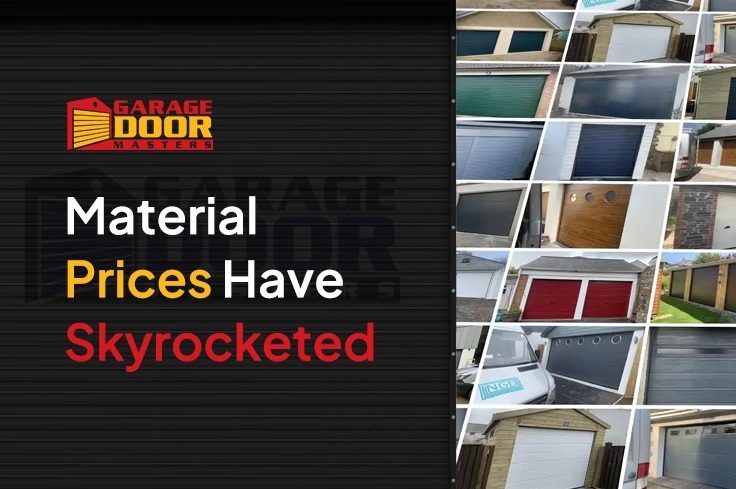
Steel, aluminum, lumber, insulation, electronics, hardware, and finishing inputs can affect door products differently. The relevant variables include the selected construction, component source, fabrication, finish, inventory timing, and supplier terms; no single material trend applies to every model.
Freight also depends on origin, distance, shipment size, handling, and current carrier terms. Compare current proposals for the same specification and ask whether freight, delivery, and any supplier surcharge are included.
Skilled Labor and Installation Scope
Installation labor depends on the opening, door size and construction, track and spring system, operator, access, removal, structural or electrical work, required testing, and local requirements. Training, tools, insurance, travel, and scheduling also contribute to the labor portion of a proposal.
You can meet our technicians and compare proposals by the work actually included. The document should identify removal, installation, setup, testing, cleanup, exclusions, and any work assigned to another trade.
How Tariffs Are Affecting New Garage Door Prices
Trade-policy changes can affect imported steel, aluminum, electronics, hardware, and finished products. The effect varies by manufacturer, product origin, inventory timing, and supplier agreements, so project pricing should be confirmed from a current written proposal.
Manufacturers and distributors may revise pricing when material, component, freight, currency, or trade costs change. Steel is a major input for many residential doors, but the effect is product-specific rather than a single industry-wide percentage.
Product Availability and Lead Times
Availability and lead time vary by model, dimensions, finish, glass, insulation, hardware, operator electronics, and replacement-part compatibility. Confirm the exact product, current stock or order status, and estimated delivery window before approving the work.
If a preferred configuration is delayed, compare alternatives by specification and compatibility rather than assuming a faster option is equivalent. Put any substitution, revised lead time, freight charge, and schedule dependency in writing.
Regional and Site-Specific Cost Factors
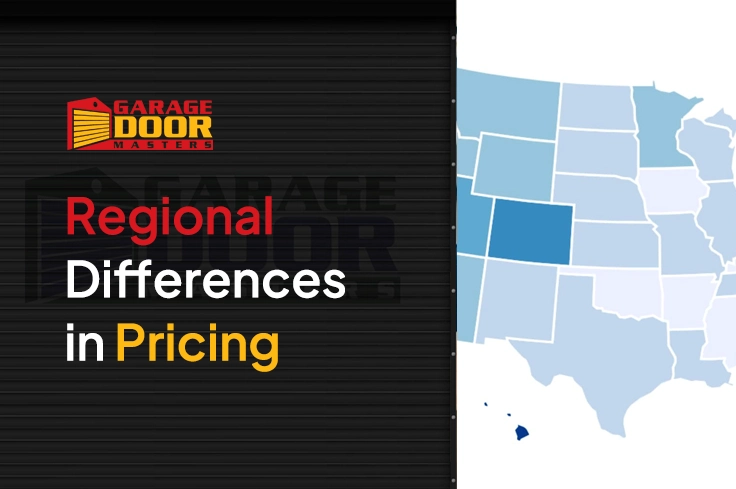
Location can affect installed cost through labor, freight, product availability, permitting, wind or other performance requirements, access, and competition. Use the same door specification and scope when you compare affordable garage-door options; an unrelated price in another state is not a useful benchmark.
A location-specific proposal should account for:
- Local labor, travel, and site access
- Applicable code, permit, and inspection requirements
- Required wind, fire, thermal, or other product ratings
- Freight, lead time, and product availability
- Removal, structural, electrical, and finish work in the stated scope
How to Compare a Complete Proposal
Let’s get specific about real numbers. A basic steel door, an insulated assembly, and a smart opener solve different needs and carry different material, performance, hardware, electrical, and setup requirements. Compare complete specifications rather than isolated headline prices.
Removal, disposal, tracks, springs, reinforcement, windows, decorative hardware, opener controls, permits, and electrical work can change the total scope. A written proposal should identify every included option and exclusion before work begins.
How to Compare Options in a Changing Market
Start with itemized proposals based on the same opening, door specification, operator, hardware, and installation scope. Compare what each proposal includes for removal, freight, permits when applicable, structural or electrical work, setup, testing, cleanup, exclusions, and warranty terms.
Prioritize requirements before appearance upgrades: opening fit, required ratings, safe operation, hardware and operator compatibility, insulation, windows, finish, and access. A lower initial price is not equivalent if the product, rating, or installed scope is different.
Availability, scheduling, promotions, and payment terms can change, so confirm them in writing rather than assuming an off-season discount or financing offer applies. Use a licensed and insured provider, and do not approve work until the proposed product and complete scope are clear.

Our Experts Are Here To Help