

Garage Door Off Track in San Antonio: What to Do
April 28, 2026
- By
- Garage Door Masters
- Garage Door Repair Specialists
An off-track garage door is unstable and can worsen quickly if the opener is used or the hardware is disturbed. This guide helps San Antonio homeowners recognize common causes and understand the safe next step. Do not attempt to realign rollers, pry tracks, tighten brackets, disconnect the opener, or move a crooked door. Keep clear and arrange trained service. For a local inspection and safe stabilization plan, see our garage door repair in San Antonio service.
What Proper Off-Track Repair Should Always Include
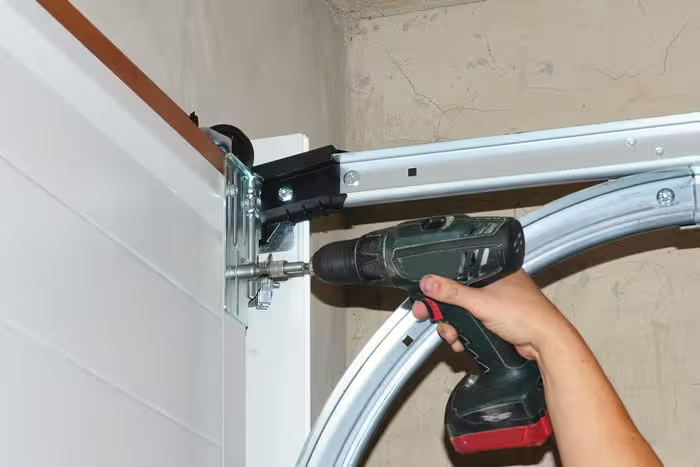
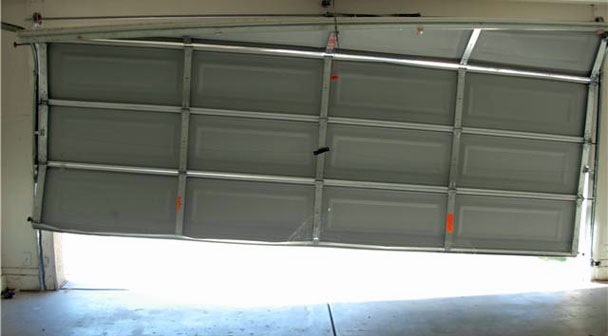
An off-track door can be unstable even when only one roller appears displaced.
- Trained service should begin by stopping operation, controlling the area, and stabilizing the door before any component is moved.
- The inspection should identify impact, track movement, and roller or hinge damage as possible initiating causes.
- The inspection should identify cable displacement, a counterbalance fault, damaged sections, opener force, or movement in the building opening as possible initiating causes.
- The inspection should verify compatible replacement parts from the actual door specifications.
- Track alignment, roller size, hinge position, spring condition, lubrication points, and final testing are system-specific; generic dimensions or a homeowner balance test are not safe diagnostic shortcuts.
The door should return to service only after it is repaired, balanced, and tested according to the door and opener manufacturers’ procedures.
When a Simple Reset Isn’t Enough
An off-track door can be unstable even when the visible damage looks minor. Stop using the opener and keep clear of the opening. Do not pull the emergency release, lift or push the door, clamp the track, reseat rollers, or handle cables, drums, springs, hinges, or bottom brackets. A professional inspection should determine whether the initiating cause was impact, track movement, roller or hinge failure, cable displacement, spring imbalance, panel damage, opener force, or structural movement. Repair cost and scheduling depend on the confirmed cause, door size and position, replacement parts, access, and secondary damage. The written proposal should explain how the door will be stabilized, repaired, balanced, and safety-tested before it returns to service.
Schedule a Professional Garage Door Evaluation
If your garage door is off track, don’t force it and risk structural damage or injury. We provide detailed inspections, precise track realignment, and full safety checks to ensure your system operates smoothly and safely. Our team evaluates rollers, hinges, cables, and spring balance before returning your door to service. Whether the issue is minor misalignment or deeper hardware failure, we’ll provide clear next steps and practical solutions tailored to your home in San Antonio. Book a professional evaluation and get your garage door operating correctly again.
FAQs
What causes a garage door to go off track in San Antonio?
A garage door can leave its tracks because of impact damage, worn or failed rollers or hinges, loose or damaged mounting, track movement, cable displacement, spring imbalance, panel damage, opener force, or structural movement around the opening. Heat, vibration, corrosion, and heavy use can contribute to wear, but the cause must be confirmed on site. Preventive professional inspection can identify developing movement, wear, or fastener problems before the door becomes unstable. Owners should not tighten track brackets, pry or realign tracks, reseat rollers, or touch cables, drums, springs, hinges, or bottom brackets.
Can I still use my garage door opener if the door is off track?
No. Operating the opener while the door is off track can bend tracks, damage panels, strip opener parts, or cause uncontrolled movement. Do not pull the emergency release or attempt to lift or lower an unstable door. Stop using all controls, keep people and vehicles clear, and contact a trained door systems technician.
How much does it cost to fix a garage door off track in San Antonio?
Off-track garage-door repair pricing depends on why the door left the track and what was damaged. The scope may involve rollers, hinges, track sections, cables, drums, brackets, panels, springs, opener components, or structural mounting points. Door size and weight, access, parts availability, secondary damage, and labor all affect the final proposal. Stop operating the door, keep people and vehicles clear, and do not push rollers into the track or handle cables, drums, springs, or bottom brackets. A professional must stabilize and inspect the system before providing a written repair estimate.
Is fixing an off-track garage door a DIY project or should I hire a professional?
Homeowners may remove loose objects from around the doorway without touching the door or hardware. Do not tighten track bolts, realign tracks, reposition rollers, disconnect the opener, or touch cables, drums, springs, hinges, or bottom brackets. Off-track service requires the door to be secured before diagnosis and repair.
What are the warning signs that my garage door is about to go off track?
Early signs can include new grinding, a roller approaching or leaving the track, widening gaps, a crooked section, cable slack, jerky travel, or one side moving ahead of the other. Observe only from a safe distance during normal operation. Do not touch brackets, tracks, rollers, hinges, cables, drums, springs, or bottom fixtures, and do not disconnect the opener or perform a manual balance test. Stop using the door and schedule inspection if movement is uneven or any component appears displaced.
Are off-track garage doors more common in San Antonio?
We do see certain patterns locally. San Antonio’s heat can cause metal components to expand slightly, which may exaggerate minor alignment issues. Homes built on shifting soil may experience subtle framing movement over time, affecting track plumb. Wind-driven debris during storms can also lodge in tracks, forcing rollers outward. While off-track issues happen everywhere, these regional conditions can increase wear on hardware. Routine inspections and keeping tracks clean help reduce the likelihood of unexpected derailment.
What should I look for when hiring a garage door repair professional?
Look for a company that carries liability insurance and can explain spring systems, track gauges, and balance testing procedures clearly. Technicians should follow DASMA safety guidance and perform a full system inspection – not just pop the roller back in place. Ask whether they check cable drums, hinge grading, and opener force settings. A thorough provider will test door balance manually before reconnecting the opener. Clear written estimates and transparent scope explanations indicate professional standards. Avoid providers who suggest operating a visibly misaligned door without addressing underlying alignment or tension issues.
What should I do immediately if my garage door comes off track?
Stop operating the door and keep people, pets, and vehicles away from the opening. Do not pull the emergency release, lift the door, clamp it, pry the track, or hammer components. If the door is partially open or visibly crooked, treat it as unstable and arrange professional service promptly.