

Dents, cracks, rust, separation, and warping can affect more than appearance. A professional evaluation determines whether one matching section can be replaced or whether age, structural damage, unavailable parts, or broader system wear makes full-door replacement the better option. For a local panel and system assessment, see our garage door repair in San Antonio service.
Understanding Garage Door Panels: Types and Issues
Most home entry systems have either steel, aluminum, wood, or fiberglass garage door panels. Each material has its benefits – steel offers durability, wood provides classic charm, while fiberglass resists dents and rust.
Common issues with garage door panels include denting from car bumps, warping from moisture (especially with wooden ones), rust on metal parts, or cracks from impact. Winter weather can be particularly tough on these sections, causing them to contract and possibly crack. Knowing what material you have helps determine the best replacement options when damage occurs.
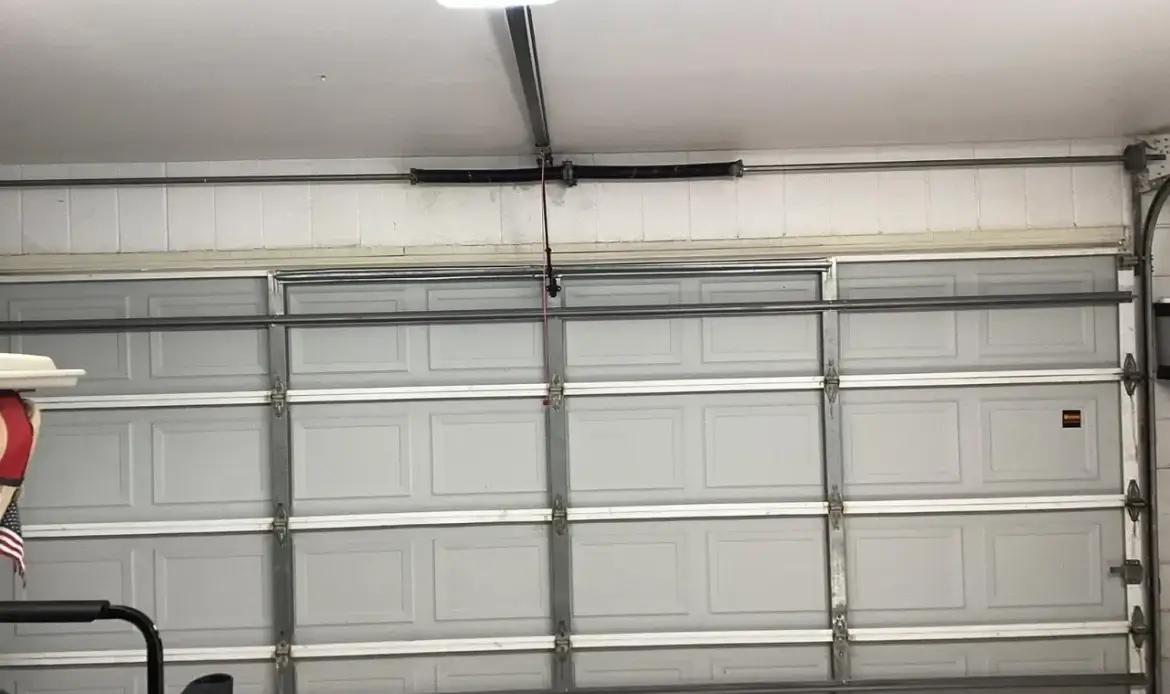
When to Replace Your Garage Door Panels: Warning Signs
Don’t ignore these telltale signs that your entry system needs attention. Small problems with garage door panels can quickly become major headaches if left unfixed.
Here’s what to watch for:
- Deep dents or holes that affect operation
- Sagging sections that don't align properly
- Visible rust spots that have eaten through metal
- Cracks that let in light or air
- Strange noises during opening and closing
If you notice any of these issues, it’s time to consider replacing the damaged parts before the problem spreads to the tracks or opener mechanism.
Should You Replace One Panel or the Entire Garage Door?
Sometimes fixing just one section makes sense – especially if the damage is isolated and your model isn’t too old. However, if your entry system is over 10 years old or multiple garage door panels show damage, an entire door replacement might be more cost-effective long-term. Matching colors and styles can also be tricky with partial replacements on older models.
DIY vs Professional Garage Door Panel Replacement
Garage-door sections are heavy and connect to hinges, tracks, cables, brackets, and springs. Removing hinges or sections can destabilize the door and expose high-tension hardware. Panel replacement should be handled by a trained technician who can secure the system, install the correct matching section, rebalance the door, and test safe operation.

Our Experts Are Here To Help
Get a Free Estimate
Trust Garage Door Masters for Your Panel Replacement Needs
Garage Door Masters evaluates isolated panel damage, model and section availability, structural condition, balance, and related hardware before recommending repair or replacement. We provide licensed and insured service and explain the available options and applicable written warranty terms before work begins.
FAQ
How do I replace garage door panels?
Do not replace a garage-door panel yourself. Removing hinges or sections can destabilize the door and expose high-tension cables, brackets, and springs. A trained technician should secure the system, source the matching panel, complete the installation, rebalance the door, and test its safety operation.
What affects garage door panel replacement cost?
Cost depends on panel availability, material, insulation, finish, windows, door size, structural damage, related hardware, and whether a matching section is still manufactured. An on-site inspection is needed to compare a single-panel replacement with complete-door replacement.
Is garage door insulation worth it for my panels?
Insulation can improve comfort, reduce outside noise, and strengthen some door constructions, but performance depends on the door, garage, climate exposure, and correct installation. Confirm compatibility, added weight, balance, and warranty requirements before modifying an existing door.