

Garage Door Panel Replacement Cost: When to Repair vs. Replace the Door
February 16, 2026
- By
- Garage Door Masters
- Garage Door Specialists
Garage door panel replacement can make sense when damage is isolated to one or two sections, a matching panel is available, and the rest of the door remains structurally sound. Garage Door Masters has spent years helping homeowners compare panel replacement with full-door replacement. The right recommendation depends on the door’s age, construction, balance, hardware condition, extent of damage, and availability of a compatible section. For a local panel and system assessment, see our garage door repair in San Antonio service.
A practical checklist for doing it correctly
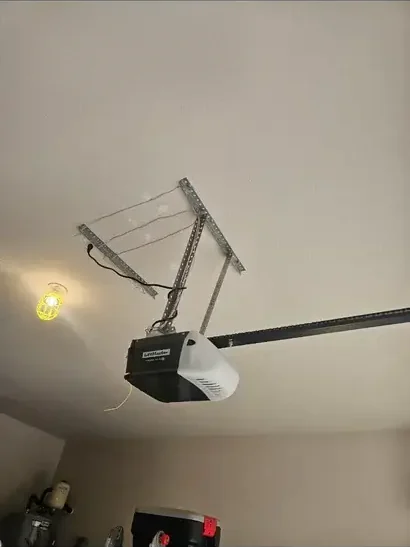
Proper panel replacement starts with confirming the door is a candidate for sectional repair. The most important best practices involve matching the exact model, verifying structural integrity, and recalibrating the system after installation. Skipping any of these steps often leads to premature wear or unsafe operation. A professional approach typically includes:
- Identifying the manufacturer, model number, and insulation type (polystyrene vs. polyurethane)
- Confirming panel availability and color match to avoid mismatched sections
- Inspecting torsion springs for correct cycle rating and balance
- Reinforcing the top section with an opener reinforcement bracket if required by manufacturer guidelines
- Performing a full balance test and auto-reverse safety check
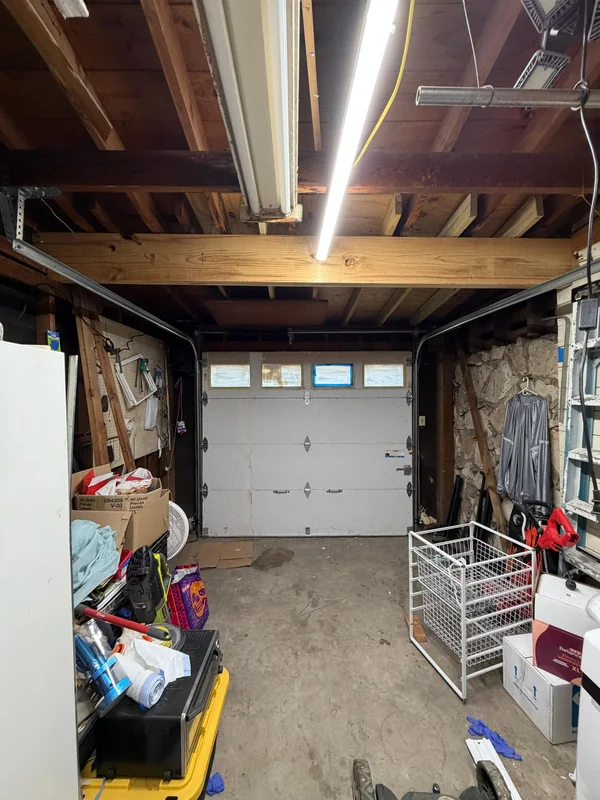
How to budget wisely and avoid paying twice
The right decision is based on the condition and compatibility of the whole door, not the price of one section alone. Compare the damaged section’s model, size, construction, finish, availability, and wind rating with the age and condition of the remaining panels, tracks, rollers, hinges, cables, springs, and opener. Panel replacement may be sensible when the door is otherwise sound and an exact compatible section is available. Full replacement may be the better long-term option when multiple sections are damaged, the model is obsolete, insulation is failing, or safety-critical hardware is worn. Key cost variables include:
- Section availability, material, insulation, finish, and freight
- Door size, wind-load requirements, and hardware compatibility
- Site access, labor, disposal, and any related corrective work
Get a Clear Repair-or-Replace Plan
Panel replacement can be practical when damage is isolated, a compatible section is available, and the rest of the door remains structurally sound. Garage Door Masters can inspect the sections, hinges, tracks, rollers, cables, springs, balance, and opener interface, then explain whether panel replacement or a complete door is the better fit. The written proposal will identify the selected section or door, included parts and labor, related work, exclusions, timing, and applicable warranty terms before you decide.

FAQs
Can I replace just one garage door panel instead of the whole door?
In many cases, yes – replacing a single garage door panel is possible if the damage is limited to one or two sections and the rest of the door remains structurally sound. The first step is identifying the manufacturer and specific model to confirm that a matching panel is still available. This is important because differences in design, color, insulation type, and window layout can affect both appearance and performance. If the door is older or the model has been discontinued, locating an exact match may be challenging, which can lead to noticeable visual inconsistencies or minor fitment issues. Beyond appearance, we carefully inspect the entire system, including hinges, rollers, tracks, cables, and torsion springs. If these components show excessive wear or imbalance, replacing only one panel may address surface damage but leave underlying mechanical concerns unresolved. When the door is relatively new, properly aligned, and in good operating condition, panel replacement is often a cost-effective solution. However, if multiple sections are rusted, warped, cracked, or delaminating, a full door replacement typically offers better long term reliability, improved safety, and stronger warranty protection.
How do I know if the damage is structural or just cosmetic?
Cosmetic damage usually includes small dents, chipped paint, or light surface scratches that do not interfere with how the garage door opens and closes. These issues mainly affect appearance and can often be repaired without replacing major components. Structural damage, however, is more serious and typically appears as bending along panel seams, separation where the stiles connect, or noticeable gaps when the door is fully closed. You may also observe uneven spacing between sections or difficulty achieving a proper seal against the ground. Operational symptoms can provide additional clues. If the door jerks during movement, binds in the tracks, or produces grinding or popping sounds, the problem may extend beyond surface level damage. To evaluate balance, we disconnect the opener and manually lift the door halfway. A properly balanced door should remain in place. If it falls or rises on its own, spring tension or weight distribution may be compromised. We also inspect hinge attachment points for cracks and examine reinforcement struts for distortion. Structural damage can reduce safety, strain the opener motor, and increase the likelihood of premature gear failure.
What is the average garage door panel replacement cost?
Garage door panel replacement pricing depends on the exact manufacturer, model, section profile, panel availability, material, insulation, dimensions, windows, finish, color matching, freight, site access, labor, existing damage, related hardware, door balance, and required safety testing. A section should be considered only after an on-site inspection confirms compatibility and the structural condition of the remaining door. If an exact matching panel is discontinued, incompatible, or the door has broader damage, full door replacement may be the more practical recommendation. Garage Door Masters provides a written recommendation based on the actual system; no single fixed figure accurately describes every panel project.
Is garage door panel replacement a DIY project?
Panel replacement involves far more than loosening a few bolts and swapping out a damaged section. Every panel plays a structural role in supporting the garage door’s overall weight distribution and movement. If a replacement panel is even slightly misaligned, it can create uneven pressure along the tracks, lead to binding rollers, and place excessive strain on the spring system. Over time, these issues may cause premature wear, loud operation, or complete system failure. Although some homeowners may feel comfortable addressing small cosmetic damage such as surface dents or chipped paint, a full panel replacement requires careful handling of the door’s counterbalance system. Torsion and extension springs are tightly wound components that store significant energy. Safe adjustment demands proper winding bars, calibrated torque application, and accurate track leveling to restore correct balance. Without specialized tools and technical training, attempting these adjustments can result in serious injury. In limited situations involving lightweight, non insulated doors with extension springs and containment cables, minor repairs may be manageable. However, most sectional panel replacements are safer, more efficient, and longer lasting when completed by trained technicians.
What warning signs mean I should act quickly?
Watch carefully for cracks that begin spreading across panel seams, rust that penetrates through steel skins, or visible separation between layers in insulated garage doors. These issues often start small but can quickly compromise the structural integrity of the entire door. If you notice gaps forming along the weather seal, light entering from the sides, or the door sitting unevenly when fully closed, these are early indicators of alignment problems that should not be ignored. You may also observe increased strain on the opener, such as slower lifting speed, noticeable vibration, jerking movements, or popping and creaking noises coming from hinges and brackets. These symptoms frequently signal that the damaged section is disrupting proper weight distribution and balance. Left unaddressed, the problem can accelerate roller wear, bend tracks, and contribute to premature spring fatigue. Scheduling a professional inspection at the first sign of structural change helps maintain safe operation, extend component lifespan, and protect long-term system performance.
Why do some panel replacements fail prematurely?
Premature failure typically occurs when the replacement panel does not precisely match the original door’s design profile, material composition, or insulation type. Even minor variations in thickness or core density can interfere with how the sections align and interlock, leading to gaps, binding, or uneven pressure distribution along the tracks. If hinge locations are even slightly misaligned or if previously stressed fasteners are reused instead of replaced, the overall structural integrity of the door can be compromised. Over time, this can result in panel flexing, loose hardware, or accelerated metal fatigue. Another frequent issue involves failing to recalibrate the spring system after the new panel is installed. A replacement panel may weigh more or less than the original, which directly affects door balance. Without proper tension adjustment, the door can become top-heavy or bottom-heavy, placing excessive strain on the opener, cables, and rollers. This imbalance often leads to jerky movement, unusual noises, and premature wear on moving components. Manufacturer guidelines clearly call for balance testing, force setting adjustments, and auto-reverse system verification after any structural modification. Skipping these essential steps may allow the door to function temporarily, but hidden stress points will eventually cause alignment problems, hardware failure, and reduced operational lifespan.
What should I look for when hiring a garage door professional?
Start by confirming that the company carries active liability insurance and has direct experience working with your specific brand and model of sectional garage door. A qualified technician should understand manufacturer specifications, weight ratings, and proper installation procedures. During the visit, they should carefully inspect springs, cables, rollers, tracks, and opener settings rather than simply replacing a damaged panel and leaving. Ask whether they test door balance, evaluate track alignment, lubricate moving components, and confirm that safety sensors are properly positioned and functioning. The auto reverse feature should also be tested to ensure the door stops and reverses when it detects resistance. A detailed written quote should clearly describe the material type, insulation level, panel design, and any recommended hardware upgrades. It should also explain labor costs and warranty coverage. Be cautious of unusually low bids that exclude recalibration, part warranties, or post repair testing. Transparent pricing, documented inspection procedures, and clear communication throughout the process are strong indicators of dependable, professional service.
When should I schedule service for a damaged panel?
Panel damage is not always an emergency, but a crooked, binding, off-track, cracked, or structurally weakened door should not be operated. Do not disconnect the opener or manually test a damaged or unstable door. Keep people and vehicles clear and arrange professional inspection. If the door remains closed, level, and secure with only cosmetic damage, schedule an evaluation before the damage spreads or affects hinges, rollers, tracks, cables, or the opener.