

Garage Door Opener Not Working? 7 Quick Fixes That Actually Solve the Problem
June 23, 2026
- By
- Garage Door Masters
- Garage Door Specialists
A garage-door opener can stop responding because of a power interruption, remote or wall-control issue, blocked photo-eyes, incorrect limits, worn internal parts, or a problem with the door itself. Start with low-risk checks that do not move or bypass safety equipment. If the door is crooked, unusually heavy, damaged, or making grinding or snapping sounds, stop operating it and arrange professional diagnosis. If the low-risk checks do not restore reliable operation, our garage door opener repair San Antonio service can diagnose the opener and door together.
What Qualified Technicians Actually Check - and Why
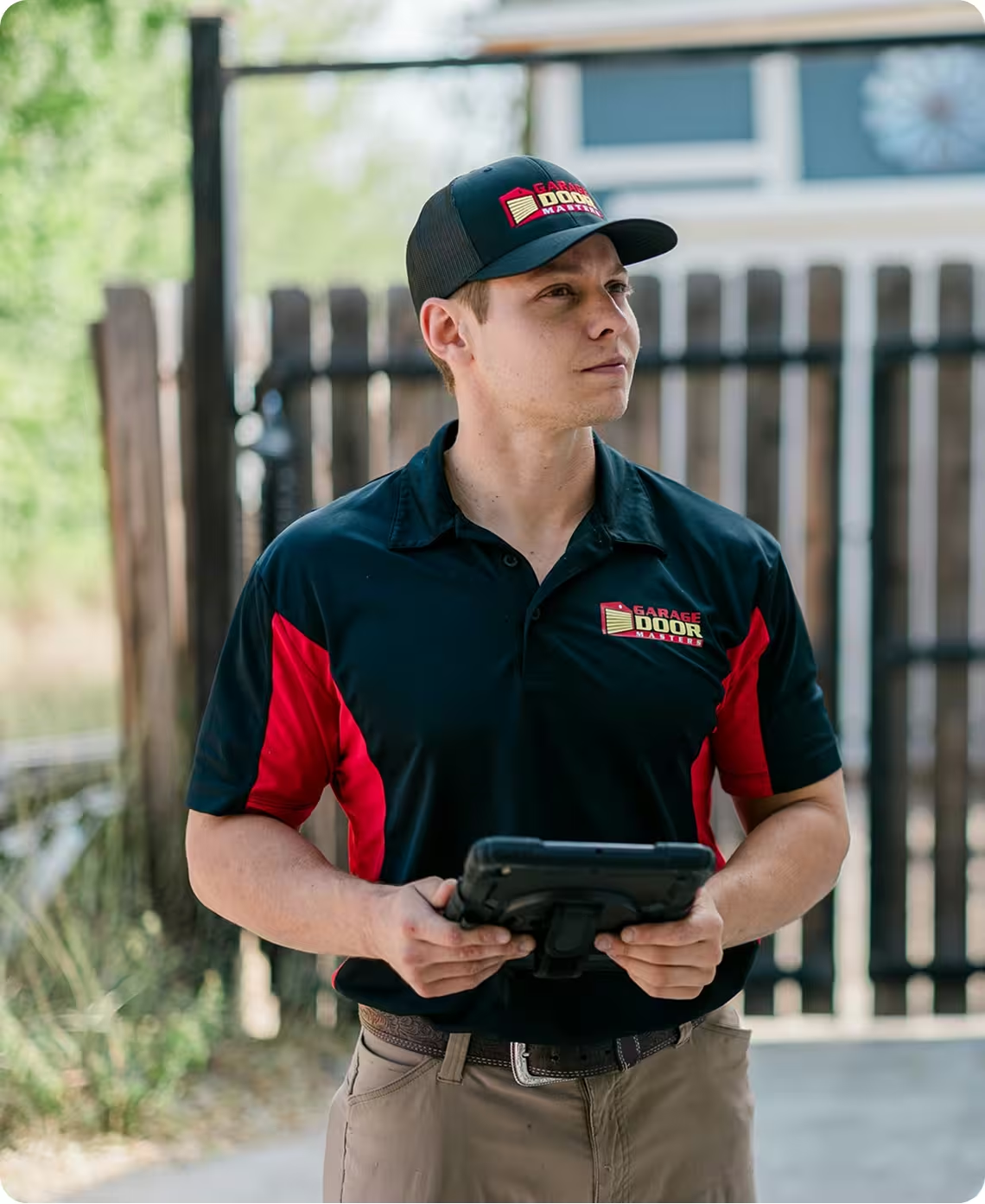
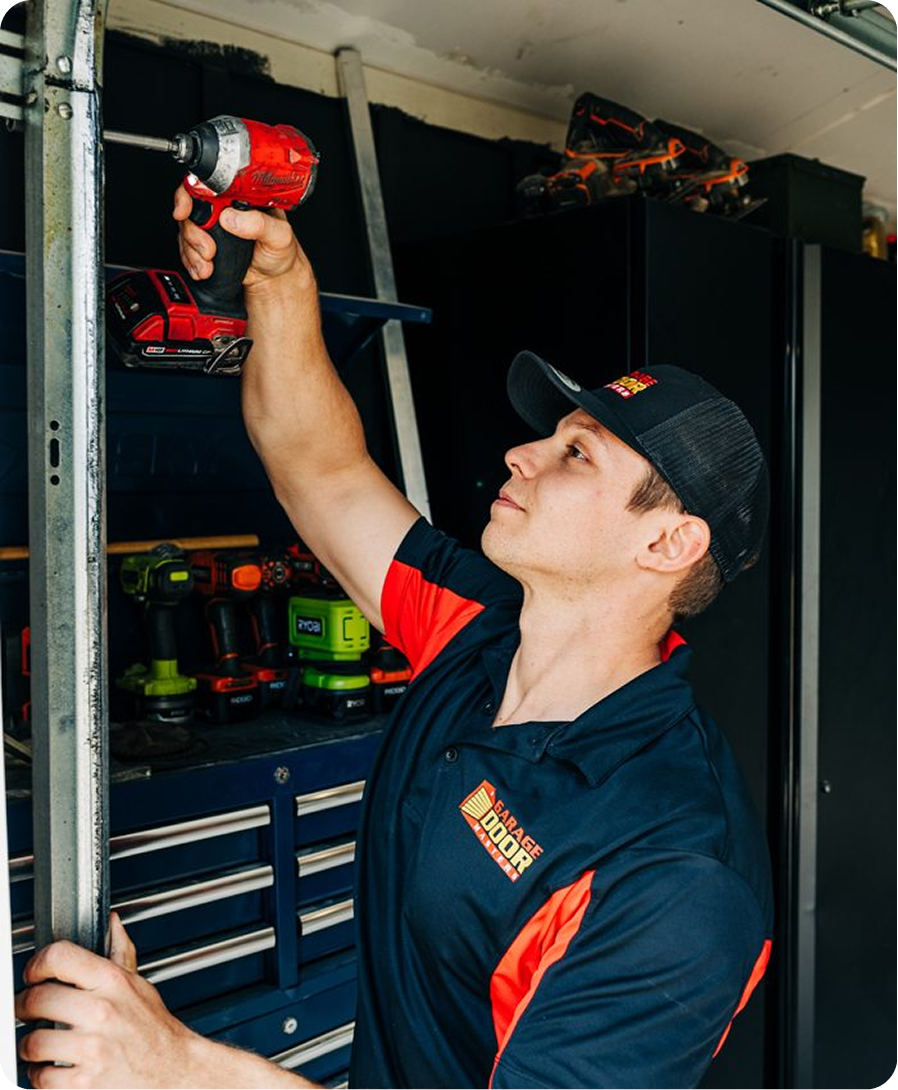
A complete diagnosis treats the opener and door as one system. A trained technician should verify the power supply, wall control, remotes, photo eyes, travel and force settings, rail and trolley, and the door’s springs, cables, rollers, and tracks. Any balance check should be performed by a trained technician after confirming that the closed door is intact and stable, following the door manufacturer’s procedure. No one should disconnect or lift a door when spring, cable, track, or balance damage is possible.
Practical Takeaways Before Scheduling Service
Safe homeowner checks include:
- Confirm the breaker, outlet, and wall control have power.
- Replace remote or keypad batteries.
- Clean accessible photo-eye lenses with a soft dry cloth and remove objects from the doorway.
- Check the opener display or lights for a model-specific diagnostic code.
- Follow the manufacturer’s manual for remote programming and simple resets.
Do not bypass the photo-eyes, increase force settings to overcome resistance, pull the emergency release on a damaged or open door, or touch springs, cables, drums, brackets, or tracks. If the safe checks do not restore operation, schedule service.
Need a Clear Answer Fast?
If basic, model-approved checks do not restore operation, Garage Door Masters can evaluate the power supply, controls, safety sensors, operator, and door system together. We provide licensed and insured service, explain the diagnosis clearly, and recommend repair or replacement based on safety, compatibility, condition, and parts availability.
FAQs
Why does my garage door opener work only intermittently?
Intermittent operation can come from a tripped or unstable power source, weak remote batteries, radio interference, photo-eye alignment, loose low-voltage wiring, overheating, or a failing logic board or capacitor. Check the breaker and GFCI outlet, replace remote batteries, clean accessible sensor lenses, and note any model-specific diagnostic code. If the problem continues, a technician should test the electrical and mechanical system.
Can a bad torsion spring make my opener seem broken?
Yes. A broken or weakened spring can make a functioning opener appear defective because the opener is designed to guide a balanced door, not lift the door’s full weight. If the motor runs but the door barely moves, stops, sits crooked, or a spring or cable looks damaged, stop using it. Do not pull the emergency release or attempt to lift the door. Keep clear and call a trained technician.
How much does it cost to fix a garage door opener and how long does it take?
The appropriate repair depends on the diagnosed failure, equipment age, parts availability, door condition, safety compatibility, and whether related spring or hardware service is required. A written evaluation should distinguish a small control or sensor problem from internal operator failure and explain when replacement offers better reliability or safety value. Garage Door Masters provides recommendations after inspecting the actual system rather than publishing generic price ranges.
When should I try fixing my opener myself and when should I call a professional?
Homeowners can replace remote batteries, check the breaker and outlet, clean accessible photo-eye lenses, remove obstructions, and follow the exact model manual for programming or a simple reset. Do not bypass safety sensors, increase force to push through resistance, open the operator housing, or work on springs, cables, tracks, brackets, or a damaged door. Arrange service when basic checks do not solve the problem.
What maintenance helps prevent opener problems?
Keep the doorway and photo-eye lenses clean, replace remote batteries as needed, and test the opener’s reversal features on the schedule and by the method in the manufacturer’s manual. Listen for new grinding, binding, or delayed movement. Do not tighten structural hardware, lubricate tracks, or touch springs and cables. Follow the exact door and opener manuals for any approved lubrication.
What environmental conditions commonly affect garage-door openers?
Heat, dust, humidity, storms, power fluctuations, direct sunlight on photo-eyes, and vibration can affect electronics, wiring, sensor alignment, seals, and moving components. A suitable surge protector may help when the opener manufacturer permits it. Repeated faults, corrosion, or erratic movement warrant professional inspection.
What should I look for when hiring a garage door professional?
Choose a licensed and insured company that evaluates the whole door system, explains diagnostic results in plain language, follows the door and opener manufacturers’ instructions, and tests the photo-eyes and reversal functions after service. A written scope should identify the recommended repair, replacement options when applicable, and relevant warranty terms without pressure or unsupported guarantees.
What should I do if my garage door opener suddenly stops working?
Check the breaker, GFCI outlet, wall control, remote batteries, and accessible photo-eye lenses. If the motor hums but the door does not move, the door is crooked or heavy, or a spring or cable may be damaged, stop. Do not pull the emergency release or lift the door. Keep people and vehicles clear and arrange trained service.