

Garage Door Spring Service in Canyon Lake: Diagnosis and Cost Factors
September 8, 2026
- By
- Garage Door Masters
- Garage Door Specialists
A spring-service estimate begins with diagnosis. A visible coil gap, loose cable, crooked door, or opener that lifts only a few inches may indicate a counterbalance problem, but the technician must inspect the complete spring, cable, drum, bearing, and door system before recommending work.
What Quality Garage Door Spring Repair Should Include
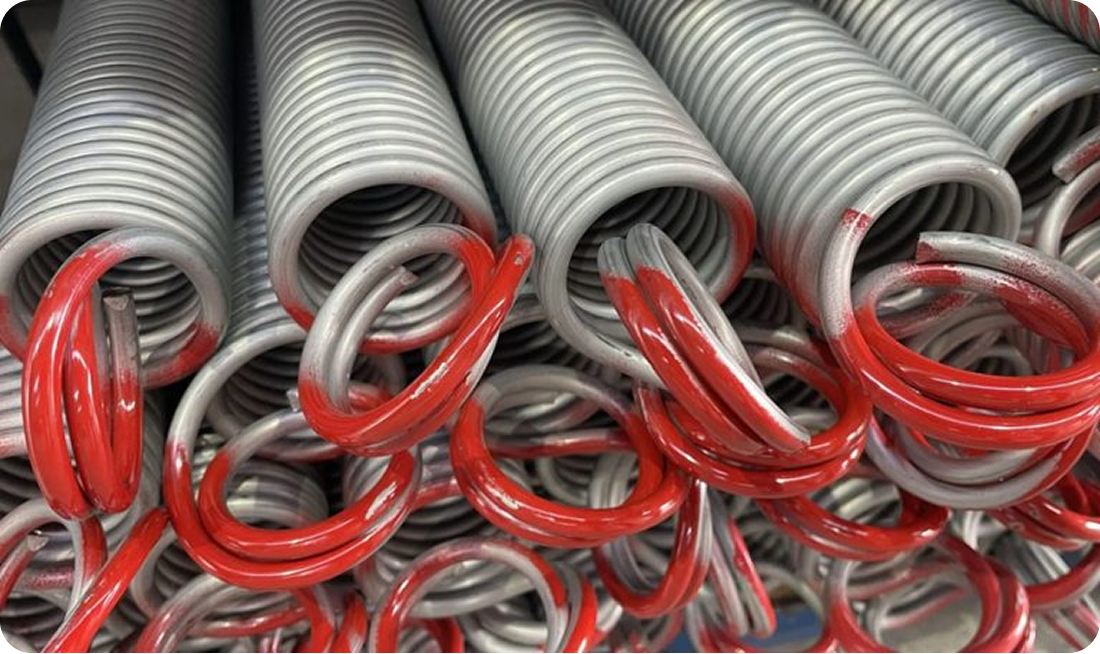
Accurate spring selection begins with identifying the actual door and counterbalance system—not guessing from appearance.
- A trained technician should confirm the door’s weight and construction, shaft, drum and spring configuration, manufacturer specifications, cycle needs, cable and bearing condition, anchoring, and related damage.
- The written scope should explain why the selected components are compatible and whether matched replacement is appropriate.
- High-tension springs, winding cones, cables, drums, and bottom brackets can release force without warning.
- Homeowners should not measure, wind, loosen, lubricate, or handle those components.
- After securing the system and completing authorized work, the technician should perform the balance, travel, force, reversal, and entrapment-protection tests required by the door and opener manufacturers.
Environmental exposure and use may affect condition, but they do not determine the correct specification by themselves.
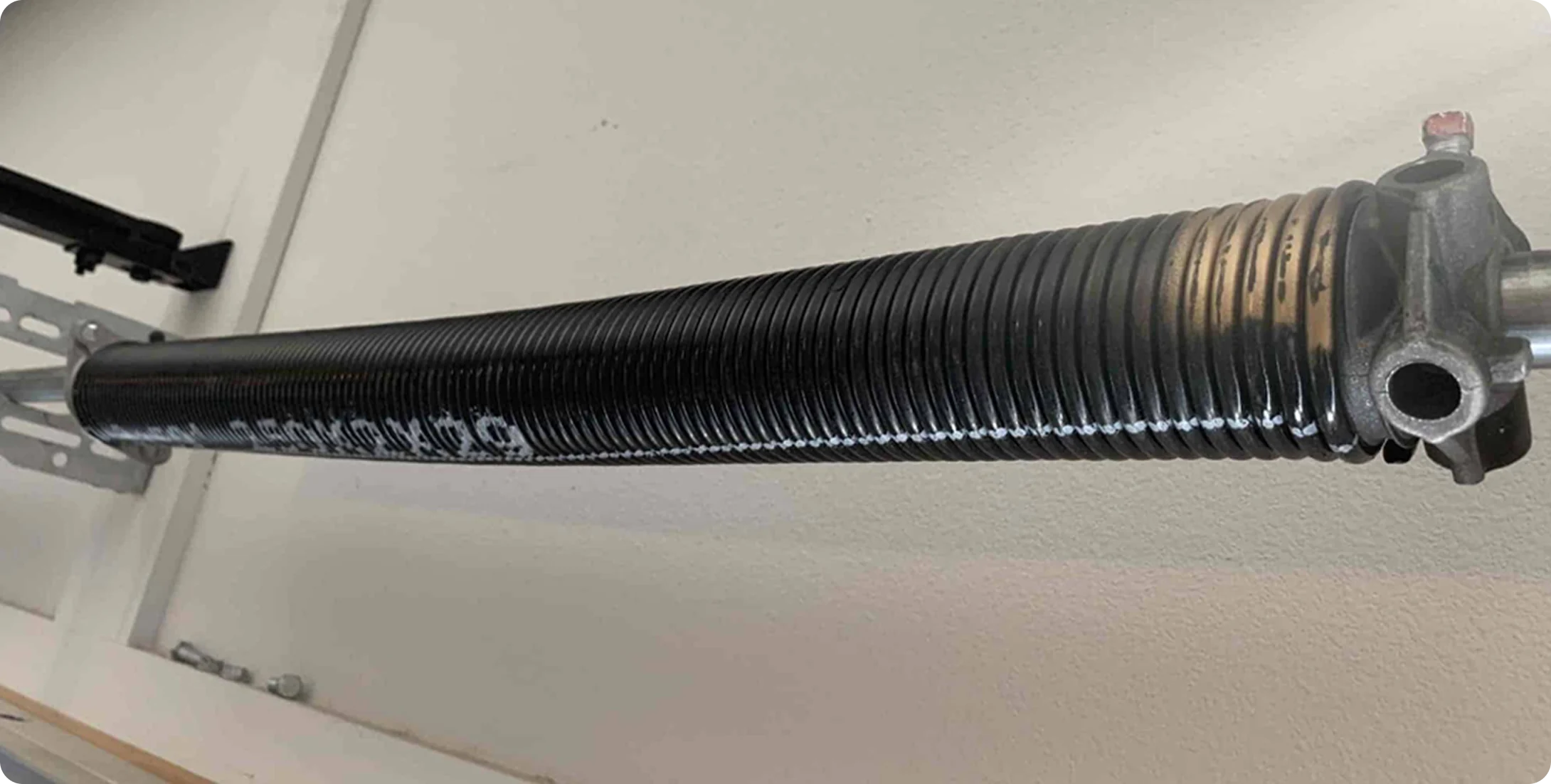
How the Diagnosis Shapes the Scope
Spring service should begin with the door’s position and condition, spring configuration, measured requirements, cables, drums, bearings, and any damage caused by uneven movement. The technician should explain the confirmed fault and whether related parts require attention.
The written scope should identify compatible parts, cycle rating, labor, final balance and safety testing, exclusions, and applicable warranty terms.
Schedule Safe Spring Service in Canyon Lake
If a spring is broken or suspected, stop using the controls, leave the door in place, and keep everyone clear. Garage Door Masters can stabilize and inspect the system, identify compatible springs and related parts, and explain any cable, drum, bearing, or door damage found. The written scope will identify the recommended work, cycle rating, labor, final balance and safety testing, exclusions, and applicable warranty terms.
FAQs
How do I know if I need garage door spring repair in Canyon Lake?
Warning signs include a loud snap or bang, a visible gap in a torsion spring, a crooked or uneven door, a loose or frayed cable, opener strain, or a door that stops or moves abnormally. If any of these signs appear, stop operating the door and keep people and vehicles clear. Do not pull the emergency release, try to lift or lower the door, or touch springs, cables, drums, winding cones, or bottom brackets. Arrange a professional inspection of the complete counterbalance system.
Should both springs be replaced at the same time?
Whether one or both springs should be replaced depends on the actual system. On a matched pair with comparable age, specification, and wear, replacing both may support balanced operation and avoid a second interruption, but a technician should compare the spring specifications, cycle history, door weight, cables, drums, bearings, and manufacturer guidance before recommending the scope. Do not assume every two-spring system requires the same decision. The written recommendation should explain why single or matched replacement is appropriate for that door.
What does garage door spring repair usually cost in Canyon Lake?
Garage Door Masters does not publish a one-size-fits-all price for this work. Scope depends on door weight, spring type, cycle rating, paired-spring condition, cables, drums, bearings, access, and related damage. An on-site evaluation is needed for a written recommendation based on the actual system.
Can I replace a garage door spring myself?
This is not a homeowner repair or installation when it involves high-tension springs, cables, drums, winding cones, and bottom brackets. Homeowners should not disconnect, lift, adjust, remove, or test a damaged or suspect system. Use a trained professional who follows the door and equipment manufacturers’ instructions.
How can I extend the life of my garage door springs?
Spring service life depends on correct specification, door balance, cycle use, environment, and the condition of the related cables, drums, bearings, and hardware. Follow the exact door manufacturer’s maintenance instructions and schedule trained inspection for corrosion, distortion, noise, uneven movement, or visible damage. Do not touch or spray springs and cables unless the manufacturer expressly assigns that task to the owner.
Are there common garage door spring problems specific to Canyon Lake?
Spring condition can be affected by use, corrosion, environment, correct sizing and installation, door modifications, and related hardware, but a Canyon Lake climate pattern alone does not establish the cause. If the door’s weight or construction changed, a trained technician should confirm the spring, drum, cable, and hardware specifications for the actual system. Follow the manufacturer’s maintenance instructions and documented cycle rating; do not assume a generic 10,000-cycle spring or homeowner lubrication applies.
What should I look for when hiring a garage door spring repair company?
Choose a licensed and insured company that inspects the complete system, explains findings clearly, provides a written scope, follows manufacturer instructions, and documents applicable warranty terms. Use genuine customer reviews as supporting evidence, not as a substitute for an on-site diagnosis.
Is a broken garage door spring an emergency?
Stop operating the door if it is crooked, unusually heavy, partially open, unstable, or shows a broken spring, frayed cable, damaged track, or uncontrolled movement. Keep people and vehicles clear. Do not pull the emergency release or attempt to lift, lower, clamp, or secure the door; arrange trained service.