

Garage Door Sensor Repair Cost in San Antonio: What Homeowners Should Expect
May 6, 2026
- By
- Garage Door Masters
- Garage Door Specialists
Garage-door sensor repair cost in San Antonio depends on whether the problem is dirt or obstruction, alignment, damaged brackets, wiring, power, control-board faults, or incompatible replacement parts. Garage Door Masters has spent years helping San Antonio homeowners diagnose sensor problems. A proper evaluation tests the complete safety system instead of assuming the photo-eyes are the only cause. For complete safety-system diagnosis, see our garage door opener repair San Antonio service.
A Practical Checklist for Safe, Code-Compliant Work
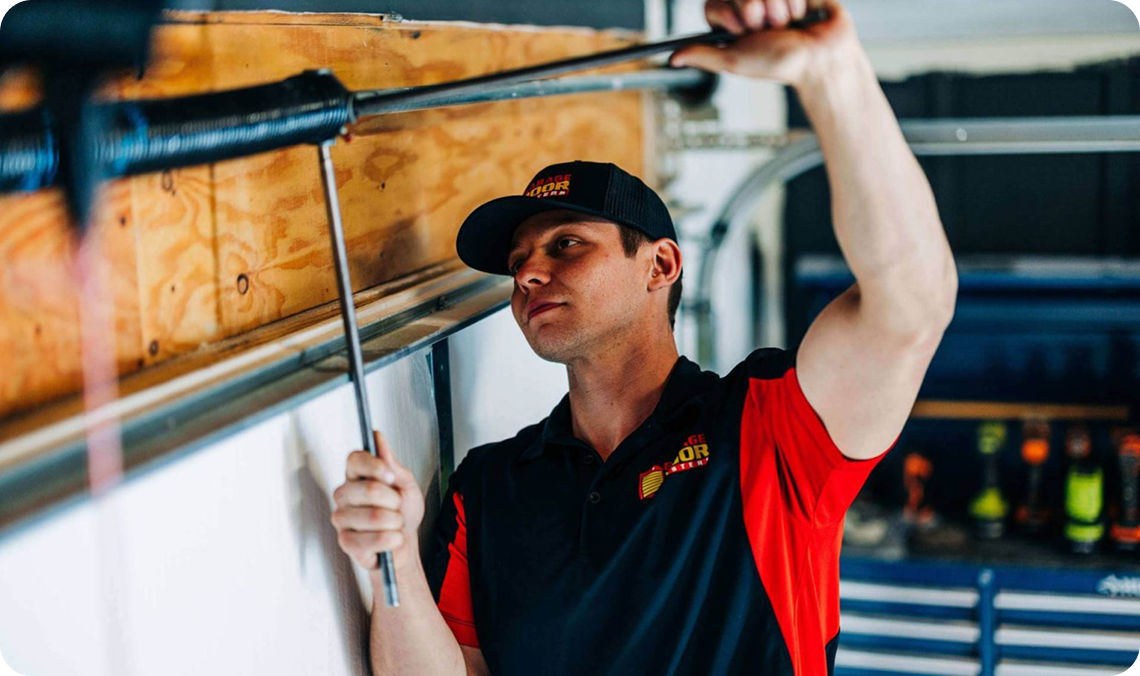
Sensor service should identify the confirmed fault and restore the opener’s manufacturer-required entrapment protection.
- Diagnosis may include indicator-light behavior, obstruction and lens condition, bracket stability, and mounting position.
- Diagnosis may include low-voltage wiring, compatible part numbers, opener error codes, and the complete door’s operating condition.
- The required sensor height, alignment, parts, travel and force setup, and reversal tests are specific to the opener and applicable requirements.
- They should not be replaced by generic measurements or ‘torque limits.’
- Do not bypass, relocate, or defeat the photo eyes.
The written scope should identify the cause, recommended parts and labor, exclusions, and the final manufacturer-required safety tests.
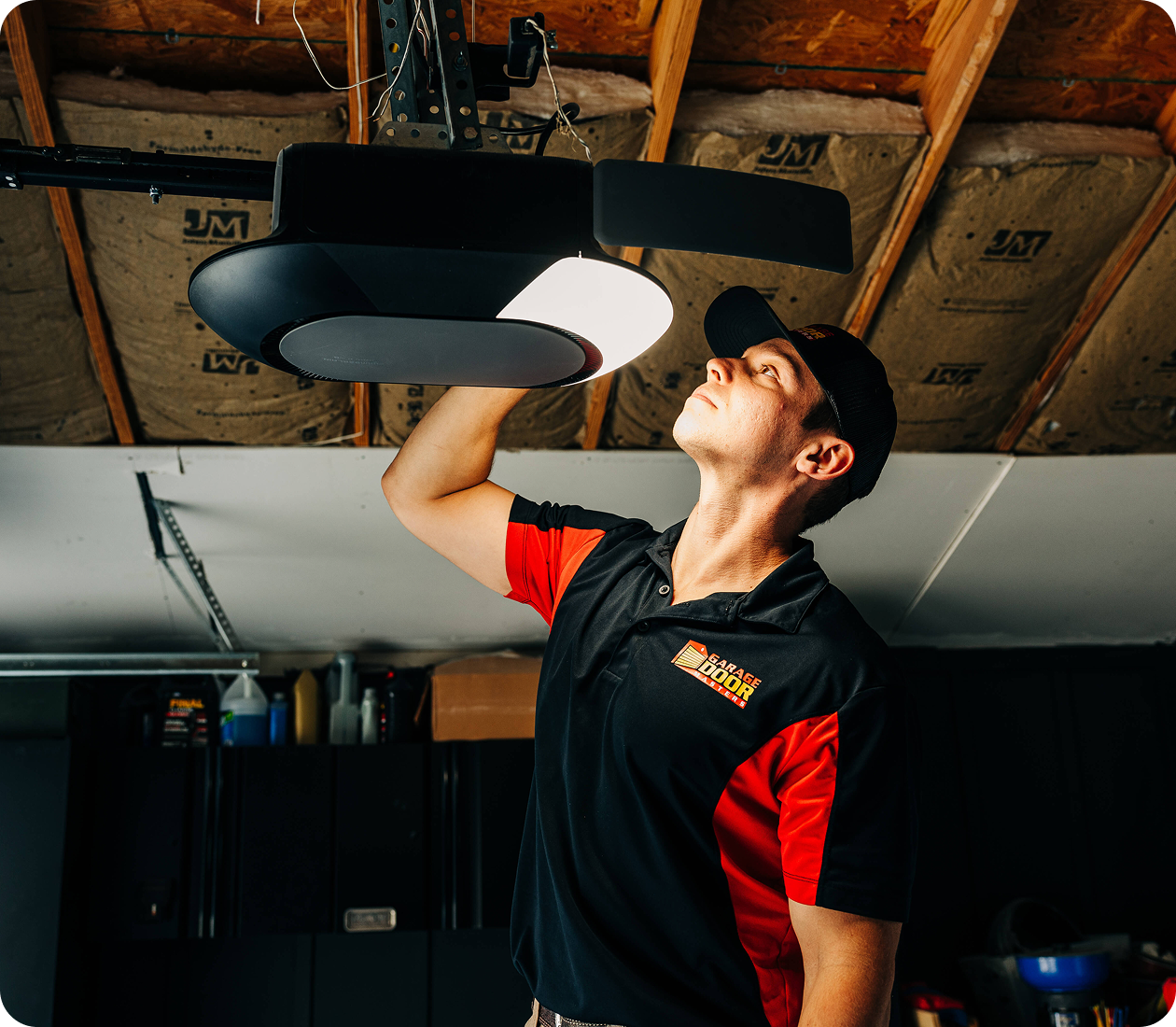
What Impacts Garage Door Sensor Repair Cost in San Antonio
Sensor symptoms are easy to misdiagnose because dirty lenses, sunlight, vibration, loose brackets, damaged wire, incompatible replacement parts, and opener faults can produce similar behavior. Do not bypass the photo eyes or mount them outside the manufacturer’s specified position. A proper diagnosis should confirm indicator-light behavior, alignment, bracket stability, low-voltage wiring continuity, compatible part numbers, opener error codes, and automatic-reversal performance. Final cost depends on the confirmed fault, wiring access, parts, opener model, and labor. The written estimate should identify the cause and include final safety testing.
Schedule a Sensor Evaluation With Confidence
If your garage door refuses to close or keeps reversing, the issue may be simpler – and less expensive – than you expect. We provide straightforward evaluations that focus on accurate diagnosis and code compliance, not unnecessary upsells. Our team checks wiring integrity, alignment, and opener logic before recommending any replacement. For homeowners in San Antonio, scheduling a professional inspection protects your family from avoidable safety risks and prevents minor alignment problems from turning into larger electrical repairs. We’ll explain the findings clearly, outline realistic options, and provide transparent cost ranges before starting work. When you’re ready for clarity about your garage door sensor repair cost, we’re here to help with practical solutions that restore safe operation.

FAQs
How much does garage door sensor repair usually cost in San Antonio?
Garage-door sensor repair pricing in San Antonio depends on whether the problem is contamination, alignment, a loose bracket, damaged low-voltage wiring, incompatible sensors, an opener logic fault, or another door-system issue. Heat, dust, moisture, pests, vibration, and accidental impact can all affect sensor operation. Do not bypass, relocate, or defeat the photo eyes. Start with the manufacturer’s indicator-light and lens-cleaning checks; if the problem remains, request diagnosis and a written estimate identifying the cause, compatible parts, labor, exclusions, and safety testing.
Why does my garage door close only when I hold the wall button?
When a garage door closes only while holding the wall control, the opener is entering constant-pressure mode. This typically indicates the safety sensors are misaligned, obstructed, or not communicating properly with the opener. The system disables automatic closing because it cannot confirm the doorway is clear. Common causes include dirty lenses, loose wiring connections, sun glare hitting one photo-eye, or bracket movement from minor foundation shifts. In San Antonio homes, settling slabs can slightly tilt tracks and brackets, affecting beam alignment. Testing voltage at the sensor terminals and verifying LED indicator lights usually confirms the issue. Correcting alignment or repairing the wiring restores automatic operation and keeps the door compliant with safety standards.
What factors affect the total repair cost and how long does it take?
Sensor-repair cost and scheduling depend on wiring access, opener brand and model, bracket condition, compatible part availability, logic-board testing, and whether another mechanical or electrical fault is contributing to the symptom. Alignment or connection correction has a different scope from new wiring, bracket replacement, or opener-board repair. The completed system must be tested using the manufacturer’s automatic-reversal procedure. Request a written proposal after diagnosis rather than replacing parts by guesswork.
Can I repair garage door sensors myself?
Some minor adjustments are homeowner-friendly. Cleaning the sensor lenses with a soft cloth and ensuring nothing blocks the beam are safe first steps. You can also confirm both sensor LED lights are illuminated and steady. However, electrical testing, rewiring, or replacing components requires caution. Garage door openers involve low-voltage wiring connected to higher-voltage motor systems. Improper connections can damage the logic board or create short circuits. If the door still reverses after basic cleaning and alignment checks, professional testing with a multimeter is advisable. Bypassing or taping sensors to force closure is never recommended because it defeats federally required safety protections and increases liability risk.
What are the early warning signs that sensors need repair?
Early warning signs often appear before complete failure. Watch for blinking opener lights, intermittent closing, or the door reversing without visible obstruction. If the sensors flicker when the track vibrates, the mounting brackets may be loose. Sunlight hitting one lens at certain times of day can also cause temporary interruptions, especially in west-facing San Antonio garages. Periodically inspect wiring along the wall for staple damage or rodent chewing. Keeping lenses clean and ensuring brackets remain tight reduces service calls. If issues persist after basic cleaning and visual inspection, schedule professional testing to verify voltage output and beam alignment before the system becomes unreliable.
Are sensor problems common in San Antonio?
Yes, sensor issues are fairly common in San Antonio due to environmental conditions. Dust accumulation, spiders building webs across the beam, and seasonal humidity can interfere with signal transmission. Homes near open land may experience rodent-related wiring damage. Additionally, soil movement around lake-area foundations can subtly shift tracks and sensor brackets over time. We’ve adjusted many installations; small changes in bracket or track alignment can contribute to repeated door reversals, and the cause should be confirmed through testing. Regular inspections help identify these local factors early. Addressing them promptly prevents repeated service calls and protects the opener’s logic board from unnecessary strain caused by constant stop-and-reverse cycles.
What should I look for when hiring a garage door professional?
Look for a company that understands UL 325 safety standards and follows manufacturer installation guidelines. Ask whether they test low-voltage wiring with diagnostic tools rather than replacing parts immediately. Proper insurance coverage and clear written estimates are essential. A qualified technician should explain the root cause of the failure and confirm the door reverses correctly during testing. Be cautious if someone suggests permanently bypassing the sensors or cannot verify compatibility with your opener brand. Transparent pricing, documented diagnostics, and adherence to safety codes indicate professional service. These practices protect both your investment and your household.
Is a faulty garage door sensor an emergency?
A sensor fault is a safety problem. Do not bypass, disconnect, cover, or relocate the photo eyes, and do not rely on constant-pressure closing as a routine workaround. Keep the doorway clear and follow only the exact temporary-closing instructions in the opener manual, if the manufacturer provides them. If safe closure cannot be confirmed, stop using the opener and arrange prompt professional service.