

Frayed, loose, crossed, or broken lift cables are serious warning signs. Cables work with the springs, drums, and bottom brackets to control a door that can weigh hundreds of pounds. If the door is crooked, a cable is off its drum, or the system makes grinding or snapping sounds, stop operating it and keep people and vehicles clear.
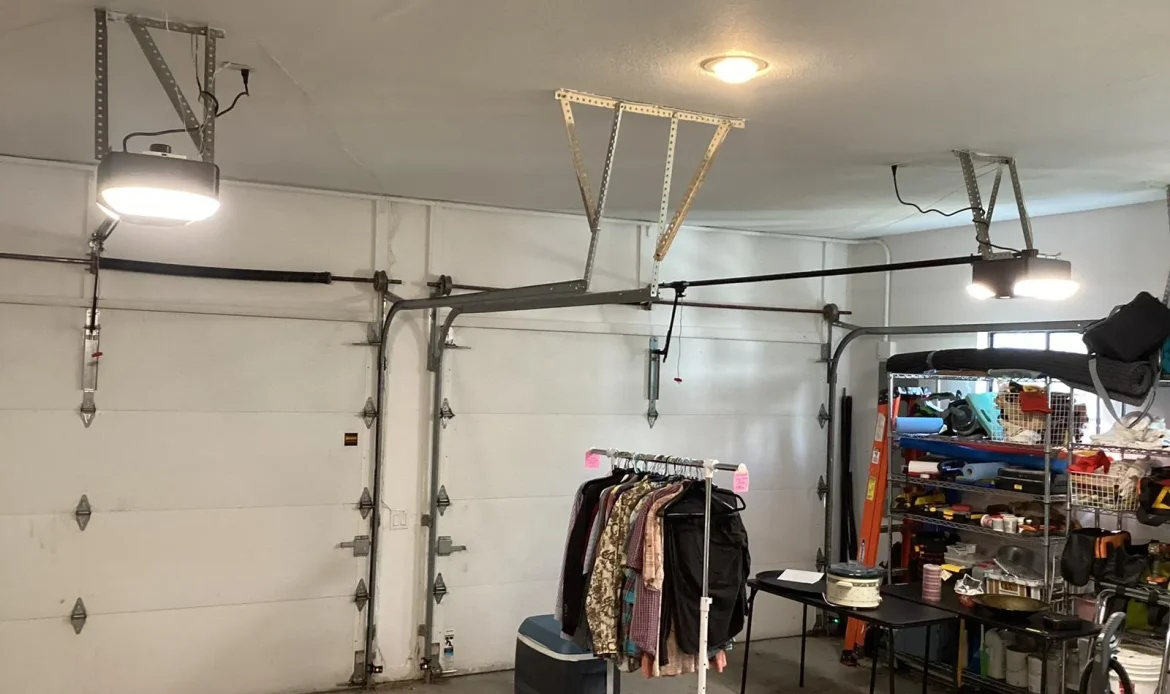
Understanding Garage Door Cables
Garage door cables are vital components that work alongside springs to help lift those heavy panels. Think of them as the muscles that do the heavy lifting. When these garage door cables wear out or snap, your entire system can stop working properly.
Most systems use two types of metal lines: torsion and extension. Torsion setups wrap around drums near the top, while extension types run alongside the horizontal tracks. Both help balance the weight and allow for smooth operation.
Signs you need replacement include fraying, visible wear, or strange operation. If your system seems unbalanced or makes grinding noises, it’s likely time for new garage door cables. Regular inspection can prevent unexpected failures and keep everything running smoothly.
Garage Door Cable Warning Signs and Safe Next Steps
Garage door cables, drums, bottom brackets, and springs are part of a high-tension counterbalance system. Do not loosen drum set screws, disconnect bottom brackets, remove or reroute cables, or wind springs yourself. A sudden release of stored energy or an uncontrolled door can cause severe injury and major property damage.
From a safe distance, look for a frayed cable, a cable hanging beside the door, uneven cable tension, a visible gap in a torsion spring, or a door that sits crooked in the opening. Do not touch the hardware or attempt to test the door by hand.
Stop using the wall control and remote. Keep everyone away from the door and leave it in its current position. Do not pull the emergency release when a spring, cable, track, or balance problem is possible, and do not try to clamp, lift, or lower an unstable door.
Why Cable, Drum, and Bottom-Bracket Work Is Dangerous
Lift cables carry the door load and connect to hardware that can remain under extreme spring tension even when the door is not moving. Loosening a bottom bracket or drum set screw can release that force without warning. Correct cable service requires securing the door, identifying the cause of failure, matching the replacement cable, and resetting the drums and spring system together.
What a Trained Technician Will Check
A trained door systems technician will secure the door, inspect both cables, drums, bottom brackets, springs, bearings, rollers, and tracks, and determine why the cable failed or came off the drum. After installing the correct parts, the technician will reset cable tension, balance the door, reconnect and calibrate the opener, and test the safety-reversal system.

Our Experts Are Here To Help
Get a Free Estimate
Need Help With a Damaged Garage Door Cable?
Do not continue operating a door with a frayed, loose, off-drum, or broken cable. Garage Door Masters provides licensed and insured garage-door service in the San Antonio area. Contact us for a professional inspection, a clear explanation of the problem, and written service recommendations.
FAQ
Why is professional garage door cable replacement so important?
Professional cable replacement is important because lift cables connect to a high-tension counterbalance system. A trained technician can secure the door, specify the correct cable, inspect the related hardware, restore proper balance, and test safe operation.
Do you offer residential garage door cable replacement?
Yes. We inspect and replace residential garage-door lift cables and evaluate the springs, drums, brackets, rollers, tracks, and opener for related damage. The goal is to correct the cause of the failure, not just replace the visible cable.
Can I replace a garage door cable myself?
No. Do not loosen drum set screws, disconnect bottom brackets, reroute cables, or wind springs. If a cable is damaged or off the drum, stop using the door, keep clear, and arrange service with a trained door systems technician.