
The 2026 Guide To Garage Door Security | Tips To Keep Your Home Safe
Your garage can be an important access point to your home, vehicles, tools, and stored belongings. Effective garage-door security combines a properly closing door, modern access controls, good lighting, limited visibility through windows, and a locked entry door between the garage and living space.
Why Garage-Door Security Needs a Layered Plan
Older openers, exposed windows, unattended remotes, damaged door sections, and weak interior entry doors can create avoidable security gaps. Review the entire access path instead of relying on a single device, and use manufacturer-approved upgrades that preserve the door’s required safety functions.
Smart-Opener Features That Support Access Control
Compatible smart openers can report door status, send activity alerts, support controlled guest access, and use modern rolling-code technology. Choose features supported by the exact opener model, protect the associated account with a strong unique password and multifactor authentication when available, and review access permissions periodically.
Automatic-Opener Safety and Security Features
Modern openers can include monitored photo-eyes, obstruction reversal, vacation lock modes, activity alerts, battery backup, and automatic-close features. Enable only settings supported by the manufacturer, keep the required entrapment-protection devices working, and never treat an automatic timer as a substitute for checking that the opening is clear.
Use Locks, Lighting, and Alerts Together
Layered security is more dependable than one device. Consider an opener-compatible automatic lock, motion lighting, monitored door-position alerts, covered windows, and a solid, locked entry door between the garage and home. Test every feature according to the manufacturer’s instructions.
Easy Ways to Secure Your Garage Door Today
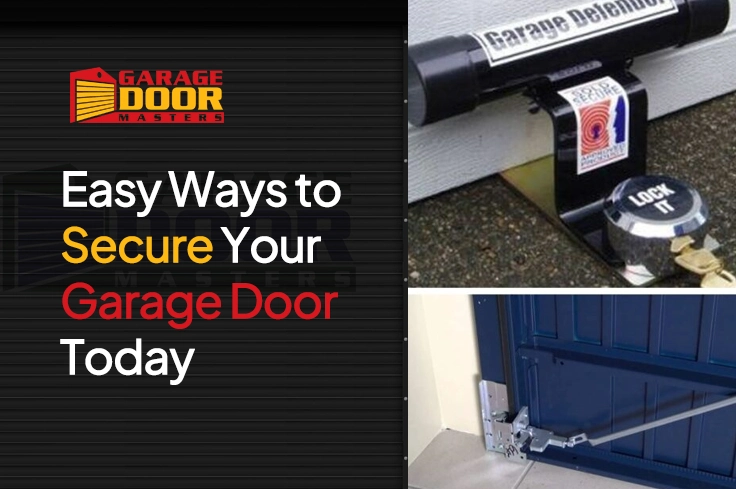
Keep opener remotes out of sight, frost or cover garage windows, use motion lighting, lock the door into the home, and replace badly damaged or poorly closing sections. Choose manufacturer-approved locks and accessories that do not interfere with emergency operation or the opener’s safety systems.
Protecting Your Emergency Release Cord From Break-Ins
Do not disable, bind, or zip-tie the emergency release. It is a required safety feature. Use manufacturer-approved security options such as a compatible automatic garage-door lock or approved release shield, and combine them with covered windows, lighting, alerts, and a locked interior entry door.
Steel Garage Doors and Quality Materials for Protection
Door construction, reinforcement, hardware, locks, and installation all influence resistance to forced entry and wind. Select a door system for the opening, local requirements, exposure, insulation goals, and manufacturer specifications rather than relying on one steel-gauge number as a universal security standard.
Connecting Your Garage to Your Home Security System
Door-position sensors, cameras, lighting, and alarm contacts can extend a home-security system into the garage. Use compatible equipment, protect network accounts, place cameras lawfully, and coordinate monitored devices with the security provider and opener manufacturer.
Final Thoughts on Effective Garage Door Security
Start with a door that closes and locks correctly, then layer compatible access controls, lighting, window privacy, alerts, and interior-door security. Do not compromise the emergency release or entrapment-protection system. A professional inspection can identify damaged sections, weak hardware, opener compatibility issues, and manufacturer-approved upgrade options.

Our Experts Are Here To Help
Get a Free Estimate
Q: What security weakness should homeowners address first?
A: Start with a door that does not close or lock correctly, exposed remotes, visible contents, and an unlocked entry door into the home. Do not zip-tie or disable the emergency release. Use manufacturer-approved locks or shields and layer them with lighting, alerts, and interior-door security.
Q: Which smart-opener features improve garage security?
A: Useful features can include door-position alerts, activity history, rolling-code access, controlled guest access, automatic locks, battery backup, and automatic-close reminders. Compatibility and account security matter more than any single feature.
Q: Should I cover or frost my garage windows to keep my garage safe?
A: Covering or frosting garage windows limits visibility of vehicles, tools, door hardware, and household routines while retaining daylight. Choose a material suitable for the glass and keep required labels and safety markings visible.
Q: How does rolling code technology improve my garage door security?
A: A rolling-code opener changes the transmitted code after each use, which reduces the risk of simple captured-signal replay compared with a fixed-code system. It does not make unauthorized access impossible. Protect remotes and keypad codes, remove lost devices, secure any connected account, and follow the opener manufacturer’s security guidance.
Q: Can I install garage door security features myself or do I need a professional?
A: Homeowners can improve lighting, window privacy, remote storage, passwords, and the interior entry-door lock. Opener wiring, automatic locks, damaged door sections, and any spring, cable, bracket, or track work should be handled according to the manufacturer’s instructions by an appropriate professional. Never bind or zip-tie the emergency release.